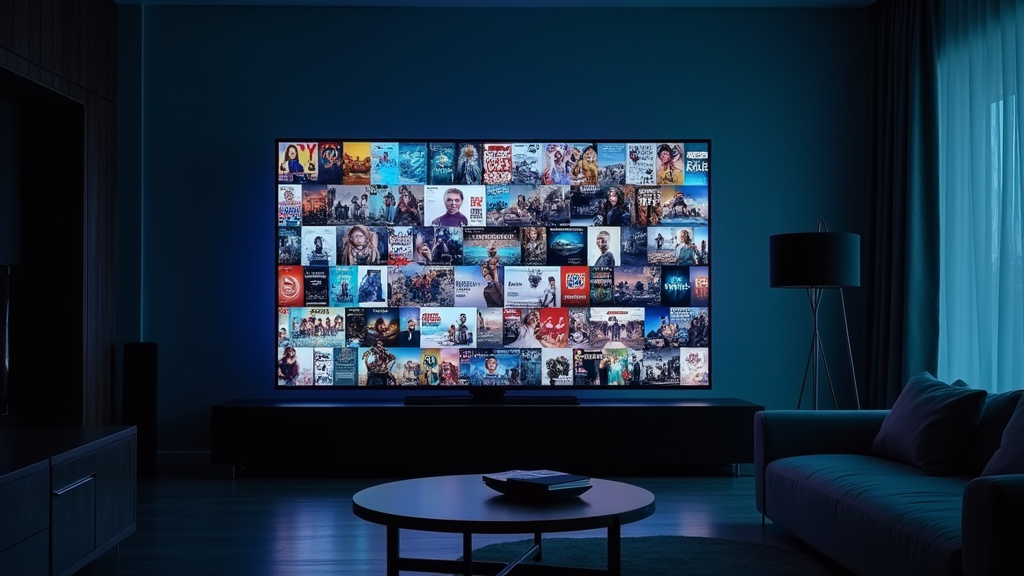
The traditional funding model of the British Broadcasting Corporation (BBC) is approaching a definitive crossroads as the UK government considers radical reforms ahead of the 2028 Charter renewal. Reports have surfaced indicating that policymakers are evaluating a proposal to extend the BBC licence fee—or a potential new levy—to include major streaming services such as YouTube, Netflix, and Disney+. Often sensationalized as a “YouTube tax,” this proposal seeks to address the widening gap between traditional linear television consumption and the dominance of Subscription Video on Demand (SVOD) platforms in the digital age.
Key Highlights
- The 2028 Deadline: The current Royal Charter and Agreement, which dictates the BBC’s funding and remit, is set to expire on December 31, 2027, forcing a fundamental reassessment of the broadcaster’s financial future.
- Scope of Coverage: The proposal under discussion targets major digital platforms, including YouTube, Netflix, and Disney+, bringing them into the regulatory and financial fold of UK public service broadcasting.
- Funding Challenges: With the £169.50 annual licence fee facing public resistance and declining linear TV viewership, the government is searching for sustainable ways to secure the BBC’s long-term viability.
- Regulatory Friction: Any move to levy streaming giants would likely trigger complex legal battles regarding digital taxation, international trade agreements, and the definition of a “broadcaster” in a streaming-first landscape.
Modernizing Public Service Broadcasting Funding
For decades, the BBC has been funded primarily through the licence fee, a mandatory payment for households watching or recording live TV or using the BBC iPlayer. However, this model is under severe strain. With the meteoric rise of on-demand streaming, an increasing number of younger demographics are turning away from traditional scheduled broadcasting entirely. The Department for Culture, Media and Sport (DCMS) is acutely aware that relying on a shrinking pool of licence-fee payers to fund the national broadcaster is becoming economically unsustainable.
The “YouTube Tax” Controversy
The moniker “YouTube tax” has emerged as a shorthand for this proposed reform, though it is likely a misnomer for a much broader policy shift. The core argument is one of “levelling the playing field.” Proponents of the reform argue that while the BBC is mandated to provide public value, information, and education, it is being out-competed for attention by tech giants that operate with different regulatory burdens.
However, the technical and logistical implementation of such a tax is fraught with difficulty. Unlike a traditional licence fee linked to an address and a television receiver, streaming services operate on global subscription models or advertising-supported tiers. If the government mandates that platforms like Disney+ or Netflix contribute to a “public service levy,” these corporations would almost certainly pass those costs directly to the consumer, effectively increasing the monthly subscription bills for millions of UK households. This creates a political paradox: the government would be introducing a new “tax” on entertainment at a time when the cost-of-living crisis remains a primary voter concern.
Changing Consumption Habits
According to recent data from Ofcom, the UK’s communications regulator, the trend toward SVOD dominance is accelerating. The “cord-cutting” phenomenon is not merely a US trend; it is firmly embedded in British households. As viewers shift their primary consumption to the BBC iPlayer, Netflix, and YouTube, the definition of “public service broadcasting” is becoming increasingly blurred. The government’s challenge is to determine whether the BBC should remain a “universal” service paid for by everyone, or if it should transition into a service that is funded by those who consume it, or alternatively, funded through a universal levy on the platforms that now dominate British screens.
The Charter Renewal Battleground
The 2028 Charter renewal process will be the primary arena for this debate. The BBC, which has historically been fiercely protective of its independence, is likely to be cautious about being linked too closely to the taxation of global tech giants. Such a move could invite retaliatory measures from tech firms or complicate the BBC’s ability to license content internationally.
Furthermore, there is the risk of the “commercialization” of the BBC. If the corporation is funded through a levy on streaming services, critics argue it might create a dependency on the financial success of those very platforms. The goal of the charter renewal is to preserve the BBC’s editorial independence while ensuring its financial sustainability. Balancing these two objectives—fiscal stability and creative autonomy—will require a delicate diplomatic and legislative touch from the government in the coming years.
FAQ: People Also Ask
Q: Is the ‘YouTube tax’ definitely going to happen?
A: No. It is currently a reported proposal under consideration by government officials as part of the preparations for the 2028 BBC Charter renewal. No legislation has been drafted or confirmed.
Q: How much would this new fee cost consumers?
A: There is no official figure. If implemented, costs would depend on whether the government imposes a direct levy on the streaming platforms or a broader digital media consumption tax. Analysts speculate that platforms would pass any such costs to consumers through higher monthly subscription fees.
Q: Why is the government looking at streaming services?
A: The government is looking to modernize the BBC’s funding model because the current licence fee is becoming less effective due to declining linear television viewership and the widespread migration of audiences to streaming platforms like Netflix and YouTube.
Q: What happens to the existing BBC licence fee?
A: The future of the current £169.50 licence fee is also under debate. The 2028 Charter renewal is expected to evaluate whether to keep the licence fee in its current form, replace it with a household levy, or move to a different model entirely.