The gala performance of ‘Harry Potter and the Cursed Child’ at London’s historic Palace Theatre was marred by a planned disruption, prompting a stern rebuke from Neil Blair, the long-time agent for J.K. Rowling and Chairman of The Blair Partnership. The incident, which saw protesters stage a demonstration on the red carpet, has reignited discussions regarding the safety protocols and public atmosphere surrounding productions associated with the world-renowned author.
The Incident at the Palace Theatre
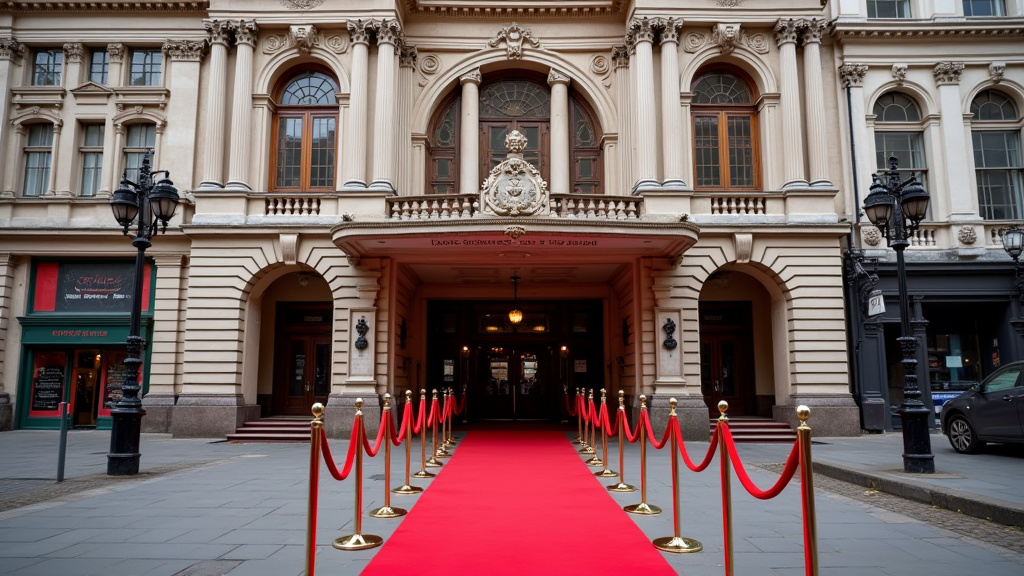
The disturbance occurred during the high-profile gala event, intended to celebrate the success of the two-part stage play, a production that has been a cultural staple in London’s West End since its debut. As guests and press gathered on the red carpet, individuals staged a demonstration advocating for trans rights, effectively disrupting the scheduled media proceedings. The Palace Theatre, located in Cambridge Circus, was forced to contend with the immediate security challenge posed by the activists, who aimed to bring visibility to their cause during a moment of intense media attention. Neil Blair’s subsequent condemnation focused on the intrusive nature of the protest, emphasizing the disruption caused to theater-goers and the production team who were gathered to honor the artistry of the performance.
The Agent’s Stance and Professional Repercussions
Neil Blair, representing the interests of J.K. Rowling, expressed his firm disapproval of the actions taken on the red carpet. By characterizing the protest as an unacceptable interference, Blair has drawn a firm line in the sand, suggesting that such disruptive tactics do not facilitate constructive dialogue. This statement from The Blair Partnership signals a heightened sensitivity to how Rowling’s professional entities protect the integrity of the intellectual property against escalating public tensions. For the theater management, the incident highlights the difficulty of securing public-facing event spaces against sudden, politically charged interruptions.
Cultural Context and the Intersection of Art and Activism
This incident is not an isolated event but rather a reflection of the ongoing friction between J.K. Rowling’s personal views and a segment of the public. The ‘Harry Potter’ franchise, which has generated billions in revenue, has become a lightning rod for broader societal debates on gender identity. When a production—especially one as lauded as ‘Cursed Child’—becomes the stage for these ideological clashes, it challenges the theater industry to find a balance between maintaining open public spaces and ensuring the security and enjoyment of its patrons.
Secondary Angles: Security and Economic Impact
1. Evolving Event Security: This disruption forces production companies and theater venues to reconsider ‘soft’ security measures at gala events. The reliance on red-carpet photo ops in public-adjacent areas makes venues vulnerable to activists looking for maximal visibility. Future galas may see restricted access and private red carpets.
2. The Brand Ecosystem: The Blair Partnership manages a vast array of rights and interests. When a specific property—like ‘Cursed Child’—becomes a friction point, it impacts the broader commercial ecosystem of the theater, potentially discouraging high-value sponsors or VIPs who prefer to avoid proximity to controversial demonstrations.
3. The Future of ‘The Cursed Child’ Performances: As a long-running production, the play is usually seen as a safe, family-friendly destination. Frequent protests threaten to alter the perception of the theater experience, potentially shifting the play’s identity from a magical entertainment venue to a site of political protest, which impacts ticket sales and venue reputation.
FAQ: People Also Ask
Who is Neil Blair?
Neil Blair is a prominent literary agent and the Chairman of The Blair Partnership, the agency that represents J.K. Rowling. He has been a pivotal figure in managing the commercial and creative legacy of the Harry Potter brand.
What specific organization was behind the protest?
While various groups have targeted events related to J.K. Rowling, the disruption at the Palace Theatre was characterized by activists focused on trans rights, who utilized the red carpet gala as a platform to voice opposition to the author’s stated positions.
How does this affect ‘Harry Potter and the Cursed Child’?
While the performance itself generally proceeded, such disruptions create a stressful environment for theater staff, security personnel, and patrons, and complicate the logistics of gala event management at historic West End venues.
Why does the Palace Theatre continue to be a target?
The Palace Theatre is the permanent home of ‘Cursed Child’ in London. Because the play is explicitly linked to J.K. Rowling, the venue acts as a symbolic focal point for activists looking to protest the author’s public commentary.