
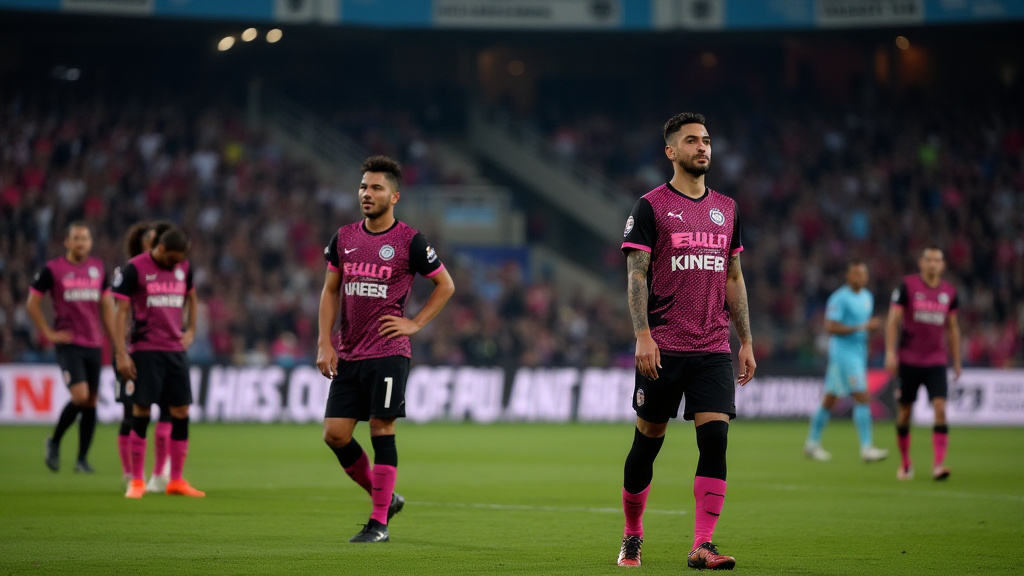
Inter Miami CF’s aspirations for a second consecutive MLS Cup title were abruptly extinguished on Tuesday night, as the club suffered a 1-0 loss to the Columbus Crew in Game 2 of their best-of-three Round One playoff series. The defeat, which follows a narrow loss in the series opener, eliminates the defending champions from the 2026 postseason, marking a premature end to a season that carried massive expectations. The Columbus Crew, demonstrating defensive resilience and clinical efficiency, now advance to the Eastern Conference Semifinals, leaving the Herons to reconcile with an early exit.
Key Highlights
- Series Outcome: Columbus Crew swept the best-of-three series 2-0, ending Inter Miami’s 2026 campaign.
- Decisive Margin: A single goal proved the difference in Game 2, highlighting a lack of offensive conversion from Miami’s high-profile attack.
- Playoff Structure: The elimination sparks renewed debate regarding the merits of the MLS best-of-three playoff format, which proved unforgiving for the Supporters’ Shield winners.
- Future Outlook: With the season over, Inter Miami enters an intense offseason requiring critical decisions regarding roster depth and tactical adaptability.
The Anatomy of an Exit: Breaking Down the 1-0 Loss
The narrative of the 2026 season for Inter Miami has consistently centered on their ability to dominate possession and create high-probability chances. However, in the high-stakes environment of the MLS Cup Playoffs, those metrics often evaporate against disciplined, low-block defensive units. The Columbus Crew, known for their tactical discipline, executed a masterclass in stifling Miami’s creative engine. Throughout the 90 minutes, Miami struggled to penetrate the central channels, often resorting to long-distance efforts that were easily handled by the Crew’s goalkeeper.
Tactical Stagnation and Defensive Vulnerability
Tactically, the absence of a ‘Plan B’ was palpable. When the initial game plan of wide build-up play was neutralized by the Crew’s wingbacks, Inter Miami failed to pivot into a more direct, vertical style of play. This rigidity allowed the Columbus defense to remain compact, forcing Miami’s primary playmakers into congested areas of the pitch where time and space were non-existent. The defensive lapse that led to the decisive goal was equally telling; in a match defined by margins, a momentary lack of concentration in the defensive transition allowed the Crew to punish Miami on the counter-attack. The failure to track runners during this specific phase of play remains a recurring theme that the coaching staff will undoubtedly point to during the post-mortem analysis.
The ‘Best-of-Three’ Dilemma
This series has reignited a fierce discourse surrounding the MLS postseason format. Critics argue that the best-of-three structure, while designed to maximize broadcast inventory and excitement, can often diminish the value of a dominant regular season. Inter Miami, having finished the regular season with an impressive points total, found themselves facing the same opponent twice in rapid succession. The rapid turnaround offered little time for tactical adjustment, and the pressure of playing a ‘must-win’ Game 2 against a team that had already tasted blood in Game 1 placed immense psychological weight on the Inter Miami squad. While the format is technically neutral, the volatility it introduces is undeniable, and for the 2026 defending champions, it proved to be an insurmountable obstacle.
Roster Depth and Sustainability
Looking beyond the pitch, this exit highlights a glaring issue regarding roster depth. While the starting XI boasts elite, star-studded talent, the drop-off in production when rotating players or substituting late in the game was exposed in this series. In a league defined by salary cap restrictions and parity, the ability to rely on the bench to change the complexion of a match is a championship requirement. Inter Miami’s inability to find an equalizer in the dying embers of Game 2 was symptomatic of a bench that, while talented, lacked the specific profile needed to break down a bunkered defense. The offseason will require the front office to shift its focus from marquee acquisitions to building a more balanced, deep roster capable of weathering the physical toll of a long playoff run.
The Road Ahead for Inter Miami
As the dust settles, the focus shifts to 2027. The organization is at a critical juncture. Maintaining the current core while addressing the aging profile of key players will be a delicate balancing act. There will be questions about tactical evolution—whether the current system has been ‘solved’ by the rest of the league, and if a departure from their possession-heavy philosophy is necessary. For the fans who expected a repeat, this elimination is a bitter pill to swallow, but it also serves as a necessary reset. The ‘Inter Miami’ brand is built on winning, and a Round One exit is simply not aligned with the club’s trajectory. The coming months will be defined by introspection, potential roster turnover, and the determination to reclaim their status as the league’s dominant force. The league moves on, the Eastern Conference Semifinals await, but for the Herons, the long, quiet wait for next season has already begun.
FAQ: People Also Ask
1. Why was this a best-of-three series and not a single elimination match?
MLS utilizes a best-of-three format for the first round of the 2026 playoffs to ensure higher broadcast engagement and to provide teams with a second chance if they suffer an upset in Game 1, though it remains a controversial format among fans.
2. Is this the earliest Inter Miami has been eliminated in the playoffs?
No, previous years saw varying results, but falling in the opening round is a significant disappointment given their high seeding and regular-season success compared to the Columbus Crew.
3. Will there be major changes to the Inter Miami roster after this loss?
While speculation is premature, an early exit usually triggers a review of squad depth and defensive strategies. Expect the front office to prioritize roster balance during the winter transfer window.
4. What does this win mean for the Columbus Crew?
It validates their status as a legitimate title contender, proving they can navigate the high-pressure environment of the playoffs and defeat top-seeded teams in hostile territory.