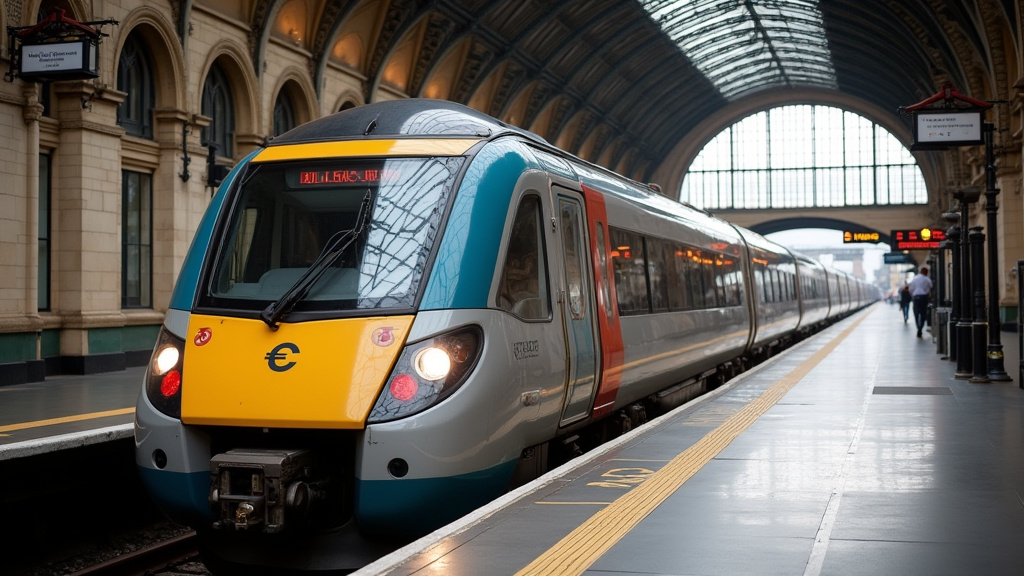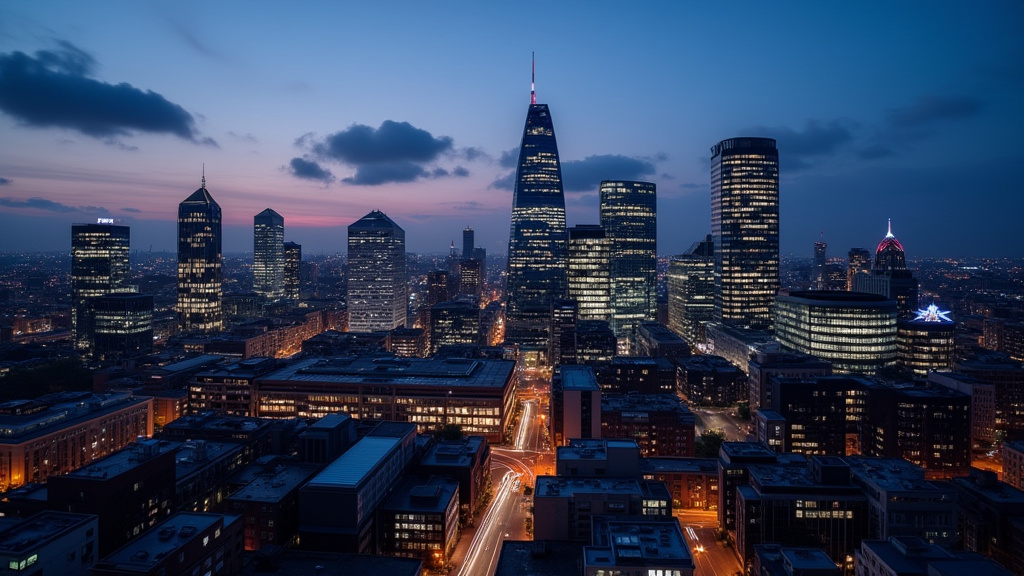
American Express Global Business Travel (Amex GBT) has officially designated Manchester as one of eight ‘trending’ business travel destinations worldwide, marking a significant milestone in the city’s trajectory as an international commercial powerhouse. This recognition, rooted in proprietary travel growth data, positions the city alongside elite global hubs such as Hyderabad, India, and Adelaide, Australia, signaling a fundamental recalibration in how multi-national corporations view regional connectivity.
Key Highlights
- Global Recognition: Amex GBT’s analysis highlights Manchester for sustained business travel growth, moving it into a premier bracket of global destinations.
- Strategic Peers: Manchester now sits alongside global growth hubs including Hyderabad and Adelaide, validating its competitive status.
- Post-Pandemic Shift: The data reflects a broader trend of businesses diversifying travel routes and regional office footprints away from capital-centric models.
- Infrastructure Impact: The growth is inextricably linked to Manchester’s massive airport expansion and its evolution into a tech and media nerve center.
The Northern Powerhouse Ascendant: Decoding Manchester’s Business Appeal
The formal recognition by American Express Global Business Travel (Amex GBT) of Manchester as a ‘trending’ business destination is more than a mere travel industry statistic; it is a profound indicator of shifting global economic geography. For decades, the narrative of UK business travel was firmly tethered to London. However, current data suggests a paradigm shift, where multinational organizations are prioritizing regional hubs that offer a distinct balance of connectivity, cost-efficiency, and industry-specific talent pools.
The Infrastructure Catalyst
At the heart of this growth is the sustained evolution of Manchester Airport. Recent years have seen significant investment in infrastructure that effectively connects the North of England directly to high-growth markets in Asia, the Middle East, and North America. This direct connectivity is the lifeblood of business travel. When corporate travelers can bypass the hub-and-spoke complexities of London, the time-to-market and operational efficiency for local branches increase exponentially. Amex GBT’s data suggests that this ‘direct-to-region’ capacity is now a primary metric for site selection among international firms.
The ‘Second City’ Economic Strategy
Manchester’s inclusion on this list is not an anomaly but the result of a coordinated ‘Second City’ strategy. By fostering environments like MediaCityUK and the emerging tech corridors in the city center, Manchester has created a pull factor that transcends traditional manufacturing. Global tech giants and financial services firms are increasingly decentralizing their operations, seeking locations where housing affordability and quality of life can attract top-tier talent. This demographic shift drives business travel, as executives, consultants, and project leads circulate more frequently between headquarters and these rapidly expanding regional satellite offices.
Comparative Analysis: Manchester vs. Global Peers
It is instructive to view Manchester’s rise through the lens of its peers on the Amex GBT list. Consider Hyderabad, India—a city that has transformed into a global technology and pharmaceutical powerhouse. Much like Manchester, Hyderabad’s growth is built on the foundation of specialized industry clusters. Similarly, Adelaide, Australia, has emerged as a gateway for the southern hemisphere’s defense and research sectors.
What unites these three cities is a rejection of the ‘monoculture’ city model. They are not merely satellites to larger capitals; they are distinct, specialized ecosystems. For the business traveler, this means that a trip to Manchester is increasingly likely to be the primary purpose of a journey, rather than a secondary stopover. The data validates that the ‘trending’ status is earned through the density of corporate meetings, industry conferences, and project-based assignments that define modern professional mobility.
Future Implications for the Corporate Landscape
What does this mean for the future of business travel? We are entering an era of ‘Hyper-Regionalization.’ As carbon footprint targets become more stringent and cost-management becomes more aggressive, corporate travel managers are looking for the ‘Goldilocks’ zones—cities that are large enough to house major corporate functions but accessible enough to facilitate rapid transit. Manchester, with its unique blend of heritage and digital modernization, is perfectly positioned to capture this demand.
Looking ahead, stakeholders in Manchester’s growth—from the Manchester Airport Group (MAG) to local city council planners—will likely use this Amex GBT validation as a leverage point to attract further foreign direct investment (FDI). If the trajectory holds, we can expect to see an increase in premium accommodation and executive-class facilities, specifically designed to service the professional traveler who is increasingly choosing the North over the South.
FAQ: People Also Ask
Q: What methodology does Amex GBT use to define ‘trending’ destinations?
A: Amex GBT utilizes aggregated, anonymized travel data, focusing on volume growth, booking velocity, and year-over-year increases in corporate travel reservations. It prioritizes locations experiencing a structural shift in corporate interest rather than temporary spikes.
Q: How does this recognition impact local businesses in Manchester?
A: The designation serves as a powerful validation for local firms attempting to attract international clients or investment. It provides tangible data that the city is a preferred, efficient, and well-connected hub for international business meetings.
Q: Is Manchester’s ‘trending’ status expected to last long-term?
A: Growth trends in business travel are generally slower moving than leisure travel. Since this growth is tied to fixed infrastructure (airport capacity) and long-term corporate office leases, the ‘trending’ status is viewed by analysts as a leading indicator of multi-year economic performance rather than a fleeting trend.
Q: Which other cities are in the same cohort as Manchester?
A: The list features eight cities globally. Notable inclusions alongside Manchester are Hyderabad and Adelaide, which were cited by Amex GBT as demonstrating similar characteristics of regional business growth and improved global connectivity.