The Greater London Authority (GLA) has officially confirmed the cancellation of the highly anticipated ‘Diwali on the Square’ event, which was scheduled to take place on Sunday, October 25, 2026. The decision, delivered to community organizers and stakeholders this week, marks a significant disruption to London’s cultural calendar, as the festival has historically served as a centerpiece for the city’s diverse celebrations of light and unity. According to the official statement released by the GLA, the decision was not taken lightly but was necessitated by recent advice provided by independent health and safety experts tasked with reviewing large-scale public gatherings in the capital.
Key Highlights
- Event Cancelled: The annual ‘Diwali on the Square’ celebration, planned for Sunday, October 25, 2026, has been officially removed from the London events schedule.
- Reason for Cancellation: The Greater London Authority cited formal guidance from independent health and safety experts as the primary driver for the decision.
- Scope of Impact: The cancellation affects thousands of attendees, performers, and local vendors who rely on the event’s central London location to showcase South Asian heritage and commerce.
- Official Stance: While the GLA expressed regret over the cancellation, they emphasized that public safety remains the non-negotiable priority for all events held in iconic, high-traffic spaces like Trafalgar Square.
Navigating the Safety Mandate and Cultural Disruption
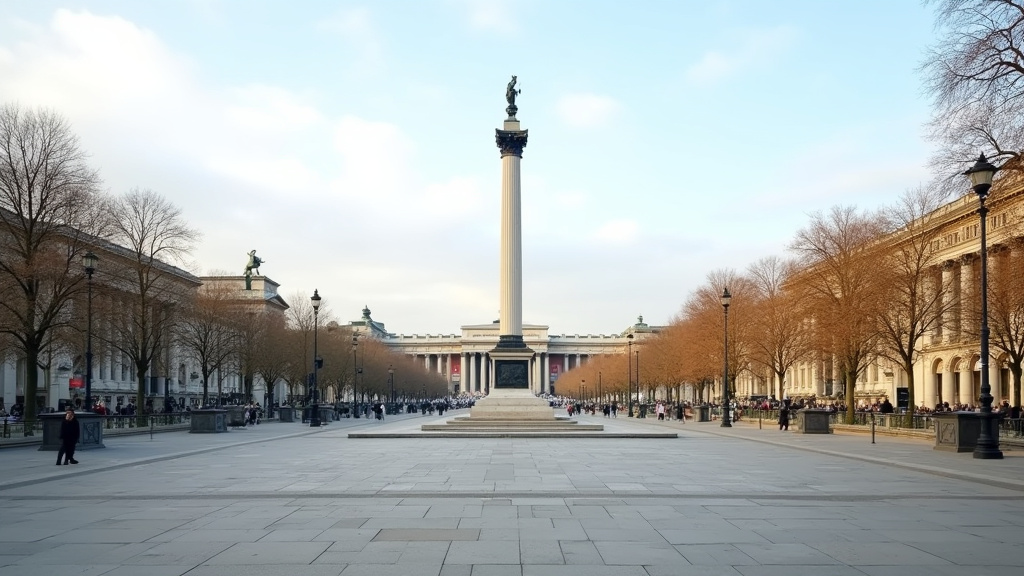
The cancellation of Diwali on the Square represents a jarring shift for Londoners who have come to view the event as an essential fixture of the autumn season. Trafalgar Square, being one of the most geographically constrained and logistically challenging venues in the city, has increasingly come under the microscope of regulatory bodies. The move by the Greater London Authority to prioritize the recommendations of independent health and safety consultants highlights a growing trend in metropolitan event management: a ‘safety-first’ approach that is often at odds with the demands of public cultural expression.
The Logistics of Trafalgar Square
Operating a major festival in the heart of London is a massive undertaking. Trafalgar Square, while symbolically powerful, presents significant challenges. The site’s limited ingress and egress points, coupled with its proximity to heavy pedestrian traffic and public transport hubs, make crowd density management an extraordinarily complex task. In recent years, risk assessments for outdoor events have become exponentially more stringent. Independent consultants, who carry the burden of liability, are increasingly wary of the cumulative risks associated with mass gatherings. The 2026 review appears to have identified specific, insurmountable risks that would have compromised the safety of the attendees, leading to the difficult decision to cancel the day entirely.
The Impact on Community and Heritage
For many members of the British-Indian and broader South Asian community, Diwali on the Square is not merely an event; it is a vital act of cultural visibility. The festival typically features music, dance, and food, serving as a beacon of inclusion in the center of the United Kingdom’s capital. The cancellation leaves a void in the community’s ability to gather publicly and celebrate their heritage on a grand, civic scale. Critics of the decision argue that while safety is paramount, the cancellation signals a failure of city planning to accommodate cultural diversity. Community leaders have pointed out that the event was originally designed to bring people together, and its absence removes a crucial platform for intercultural dialogue.
Economic and Secondary Consequences
Beyond the emotional and cultural impact, the cancellation carries an economic weight. Local vendors, catering companies, and performers who had prepared for the October 25 date now face the sudden loss of income. Trafalgar Square events are high-traffic hubs that allow small businesses and artisans to reach a global audience. The logistical ripple effect of cancelling an event with such short notice can be devastating for these small enterprises, which often plan their entire autumn revenue cycle around the footfall of such major public festivals. Furthermore, this cancellation raises questions regarding future bookings for the location. If health and safety requirements are becoming so rigorous that a standard cultural festival cannot meet them, what does this mean for other recurring events scheduled for the square?
The Future of Civic Festivals
Looking forward, the GLA and independent safety committees must find a middle ground. The reliance on cancellation as a primary tool for risk mitigation is not a sustainable long-term strategy for a city that prides itself on being a global hub of diversity. This incident serves as a call to action for the Mayor’s office to invest in better infrastructure, potentially exploring alternative venues or innovative crowd-management technologies that could allow these events to proceed safely. The 2026 cancellation should serve as a benchmark for how the city negotiates the tension between regulatory compliance and the social health of London’s vibrant, multicultural population.
FAQ: People Also Ask
Was this decision made by the Mayor of London directly?
The decision was authorized by the Greater London Authority (GLA), which oversees the use of Trafalgar Square. The authority stated they followed the expert guidance provided by independent health and safety auditors.
Are there plans to relocate the 2026 Diwali celebrations?
As of now, the GLA has not announced a relocation or a substitute event. The cancellation is specific to the Trafalgar Square gathering scheduled for October 25, 2026.
Is this cancellation part of a wider trend in London?
London has seen increased scrutiny regarding mass events in public spaces. Authorities are balancing the logistical challenges of historic, constrained sites like Trafalgar Square with rising safety standards in the wake of post-pandemic public safety protocols.
Will ticket holders or vendors be compensated?
Because Diwali on the Square is traditionally a free, public-access event, there are no tickets to refund. However, discussions regarding vendors who had committed capital for the day are expected to be handled through the GLA’s event management office.