
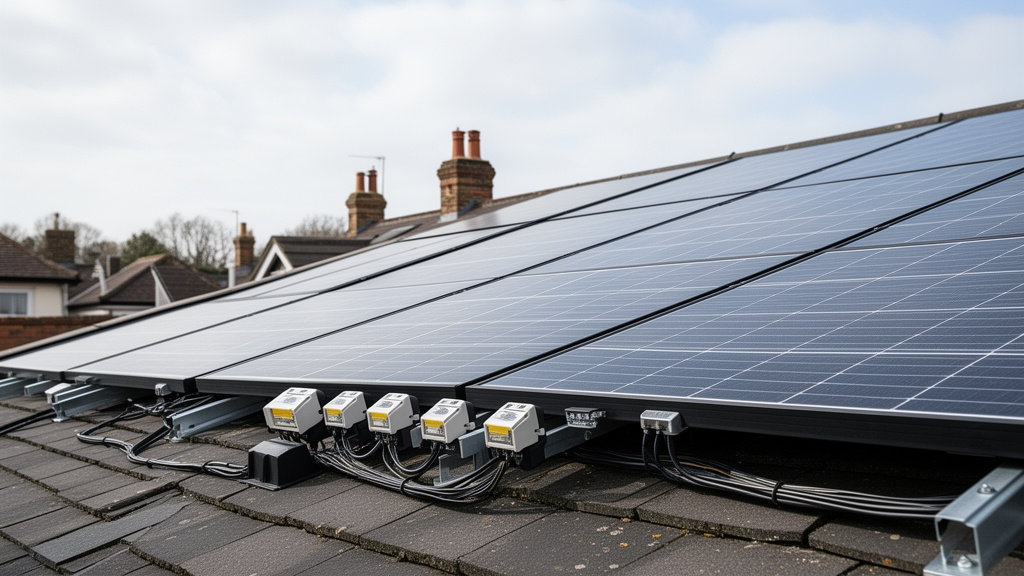
Tigo Energy has officially confirmed a period of aggressive expansion within the United Kingdom’s renewable energy sector, marked by a significant 211GWh of optimized energy generation. Since 2017, the company has successfully facilitated over 20,000 device deployments, cementing its role as a cornerstone in the country’s transition to decentralized power. As the firm gears up for a major industry trade show in Birmingham, these figures illustrate not just market growth, but a profound shift in how British installers are approaching residential and commercial solar projects, prioritizing intelligence, safety, and efficiency above traditional installation methods.
Key Highlights
- Optimization Milestone: Tigo Energy has achieved a verified 211GWh in energy optimization, proving the efficacy of their Module Level Power Electronics (MLPE) in diverse UK weather conditions.
- Scalable Deployment: The company surpassed 20,000 active device deployments in the UK market, with activity tracked from 2017 through mid-2026.
- Market Momentum: Significant increases in monthly installation rates throughout 2026 demonstrate a resilient demand for high-efficiency solar solutions despite shifting grid dynamics.
- Installer Ecosystem: A heavy emphasis on training, certification, and technical support has emerged as the primary driver for widespread installer adoption.
Optimizing the British Energy Grid
The UK solar market is undergoing a structural evolution. Gone are the days when simple string inverters were sufficient for every roof; modern arrays must contend with complex shading, varying roof orientations, and the pressing need for safety-compliant rapid shutdown features. Tigo Energy’s recent performance data—anchored by the 211GWh optimization achievement—validates the necessity of their Flex MLPE platform. By ensuring that each solar panel operates at its individual maximum power point, Tigo has enabled installers to squeeze more kilowatt-hours out of the often-challenging, cloud-laden British climate.
The Technical Edge: Beyond Simple Conversion
The core of this growth story is not merely the number of panels installed, but the ‘intelligence’ added to the system. Tigo’s technology provides visibility that was previously opaque. Installers can now monitor performance at the module level, drastically reducing maintenance visits and troubleshooting time. This is particularly vital in the UK context, where rooftop accessibility can be difficult and costly. With 20,000 deployments providing real-time data, the company has been able to refine its optimization algorithms to better suit the specific spectral conditions of the United Kingdom, effectively increasing the Return on Investment (ROI) for homeowners and commercial property managers alike.
Empowering the Installer Ecosystem
A pivotal, yet often overlooked, factor in Tigo’s UK success is the heavy investment in human capital. The company has moved beyond being a hardware vendor to becoming an educational partner. By implementing robust training programs, Tigo has empowered local UK installers to handle complex systems with confidence. This support infrastructure—providing certification, on-site troubleshooting assistance, and design verification—has created a loyal installer base. As solar legislation tightens and safety standards for rooftop fire protection increase, installers are gravitating toward brands that offer both technical support and regulatory peace of mind.
Macro-Economic Impact and Energy Independence
The 211GWh optimization figure is not just a marketing metric; it represents real energy security. As the UK strives to meet Net Zero 2050 targets, maximizing existing solar assets is arguably as important as installing new ones. By retrofitting existing systems and ensuring new installations are fully optimized, Tigo Energy is effectively helping the UK grid avoid the energy loss associated with traditional, non-optimized arrays. This efficiency is increasingly being recognized by financial institutions offering green financing, as optimized systems provide more predictable, long-term yield projections.
Strategic Outlook: The Birmingham Showcase
As the industry converges on Birmingham for the upcoming trade exhibition, all eyes are on the roadmap for the remainder of 2026. Tigo’s strategy appears clear: maintain the high velocity of deployments while expanding the scope of their digital tools. The company is expected to unveil new integration features that sync their MLPE hardware with domestic energy management systems (HEMS). This evolution from ‘solar optimization’ to ‘whole-home energy management’ is the next logical step for a company that has already captured a significant slice of the UK’s solar optimization market. Attendees at the Birmingham event should expect to see a demonstration of how this 211GWh milestone is merely the floor, not the ceiling, for the company’s capabilities in the British market.
FAQ: People Also Ask
Q: What is the significance of the 211GWh optimization figure?
A: This figure represents the cumulative amount of energy that Tigo’s MLPE systems have successfully harvested through optimization, which otherwise would have been lost due to factors like shade, panel mismatch, or module aging. It highlights the increased energy yield for the end-user.
Q: Why are UK installers choosing Tigo for their projects?
A: UK installers are increasingly prioritizing Tigo due to the combination of their flexible MLPE hardware, which handles complex roof geometries well, and their comprehensive training and support programs that ensure compliance with strict UK electrical safety regulations.
Q: How does Tigo’s technology impact rooftop safety in the UK?
A: Tigo’s systems are designed with rapid shutdown capabilities. This is a critical safety feature that allows the voltage in the solar array to be reduced to safe levels during an emergency or maintenance, protecting fire service personnel and homeowners.
Q: What should we expect from Tigo at the Birmingham trade show?
A: Building on their recent growth and the 20,000-deployment milestone, Tigo is expected to showcase advancements in integrated home energy management, demonstrating how their hardware syncs with battery storage and EV charging to create a unified energy ecosystem.