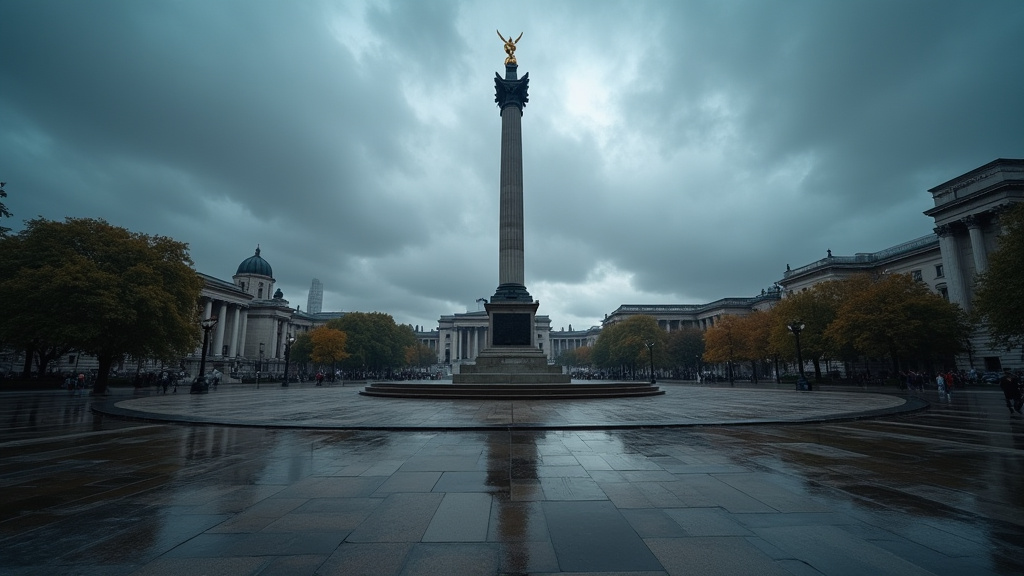
The Greater London Authority (GLA) has officially cancelled the highly anticipated ‘Diwali on Trafalgar Square’ festival, which was scheduled to take place on October 25, 2026. This difficult decision was finalized after the GLA received urgent expert safety advice regarding severe weather warnings forecasted for Central London. The cancellation serves to prioritize the physical safety and well-being of the thousands of participants, volunteers, artists, and visitors who were expected to convene at the iconic location to celebrate the Festival of Lights.
Key Highlights
- Event Status: The Diwali on Trafalgar Square festival for 2026 is officially cancelled.
- Official Authority: The decision was mandated by the Greater London Authority (GLA) following consultation with safety experts.
- Primary Factor: Severe storm forecasts for October 25, 2026, necessitated the cancellation to ensure public safety.
- Scope: The cancellation applies to all planned performances, cultural stalls, and official activities at the Trafalgar Square site.
Navigating Safety Amidst Urban Climate Challenges
The Meteorological Assessment and Safety Protocols
The decision to cancel a major public event of this magnitude is never taken lightly. According to internal protocols, the Greater London Authority relies on rigorous data provided by the Meteorological Office (Met Office) and independent safety consultants. In the lead-up to October 25, 2026, the forecast indicated a significant storm front expected to impact the heart of London. For an event centered in a high-density, open-air location like Trafalgar Square, these conditions present specific logistical hazards.
The ‘Safety Advisory Group’ (SAG), which typically includes representatives from the Metropolitan Police, the London Fire Brigade, and emergency planning officers, evaluates these events through the lens of ‘crowd dynamics and environmental exposure.’ In urban environments like Trafalgar Square, which acts as a wind corridor, even moderate storms can result in high-velocity gusts that threaten the structural integrity of temporary stages, scaffolding, sound systems, and lighting rigs. The risk of flying debris, combined with the difficulty of managing safe crowd egress in slick, rain-heavy conditions, led officials to conclude that the risk threshold for public assembly had been breached. This is a standard, albeit regrettable, application of the ‘Duty of Care’ principle, which dictates that organizers must mitigate foreseeable hazards proactively.
The Logistics of Trafalgar Square as a Venue
Trafalgar Square is one of the most logistically complex venues in the United Kingdom. Unlike a stadium or a dedicated festival ground, the Square is a historic public thoroughfare that requires extensive conversion for large-scale events. Every Diwali celebration involves the deployment of substantial temporary infrastructure, including electrical cabling, high-output AV equipment, and elevated platforms. When a severe weather warning is issued, the turnaround time to ‘weather-proof’ or dismantle such equipment is often insufficient to guarantee the safety of those involved in the setup process, let alone the thousands of attendees.
Furthermore, the cancellation highlights the ongoing challenges of hosting cultural events in a changing climate. As urban centers become increasingly sensitive to extreme weather events, event organizers are finding that their contingency plans must become more aggressive. For the 2026 Diwali celebration, the GLA had previously planned for a vibrant showcase of dance, music, and food; however, the reality of the forecast forced a shift from event management to crisis prevention. The cancellation, while disruptive, aligns with the broader strategy of protecting London’s heritage sites and ensuring that the public maintains trust in the safety of large-scale civic gatherings.
Cultural Significance and the Economic Ripple Effect
The cancellation of this event carries weight beyond the immediate disappointment of the local community. Diwali on Trafalgar Square has historically served as a centerpiece for London’s multicultural calendar, drawing diverse crowds and fostering community cohesion. Beyond the social aspect, the cancellation creates a localized economic ripple. Many vendors, food stall owners, and performers rely on these dates for significant annual revenue. The sudden withdrawal of the event means that perishable goods, planned staff shifts, and logistical investments must be absorbed by small businesses and independent contractors, illustrating the financial fragility inherent in the events industry.
Despite the cancellation, the spirit of Diwali remains resilient. Cultural organizations across the city are exploring digital alternatives and community-led initiatives to ensure that the message of the festival—light over darkness—is still observed, even if the central physical gathering is precluded by the elements. The Mayor of London’s office is expected to release a statement regarding the potential for future engagement or compensation frameworks for vendors affected by the unexpected closure.
FAQ: People Also Ask
Q: Will the Diwali on Trafalgar Square event be rescheduled for a later date?
A: At this time, the Greater London Authority has not announced a rescheduled date. Due to the complexities of logistics, security, and the availability of the venue, it is highly unlikely the event will be moved to later in the year, though plans for future cultural celebrations remain intact.
Q: Why was the event cancelled so close to the date?
A: Weather forecasts for large outdoor events are monitored up until the final hours. The decision was made once the latest meteorological data confirmed that the storm’s intensity posed a credible, non-mitigatable risk to public safety, following standard emergency planning procedures.
Q: Can I get a refund if I purchased tickets for related transport or private events?
A: The main Trafalgar Square event is free and open to the public; however, if you have booked tickets for private venues or transport linked to the day, you should contact those individual service providers regarding their specific cancellation policies for ‘force majeure’ or weather-related events.
Q: How can I stay updated on future Greater London Authority events?
A: Updates regarding civic events are typically posted via the official Mayor of London website, the GLA’s social media channels, and through the ‘Visit London’ portal. It is recommended to check these sources for any potential digital alternatives or future programming updates.