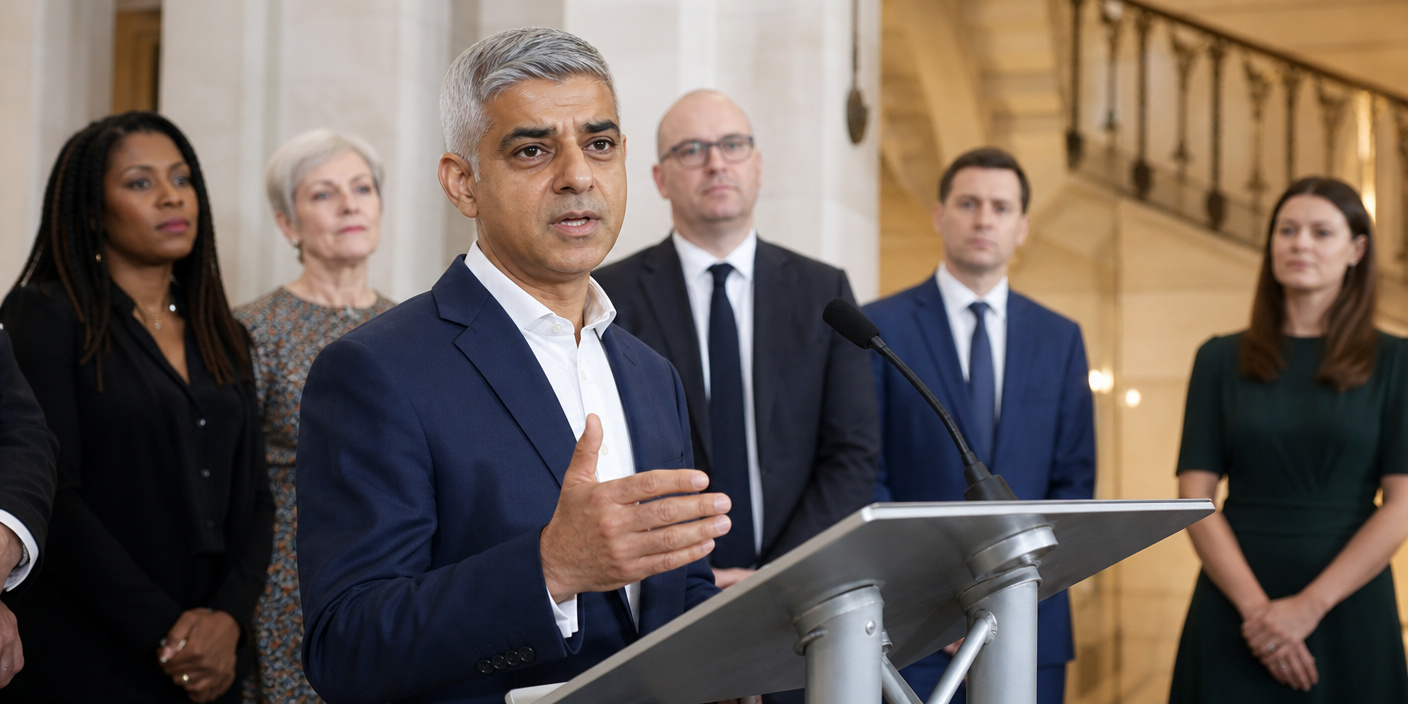
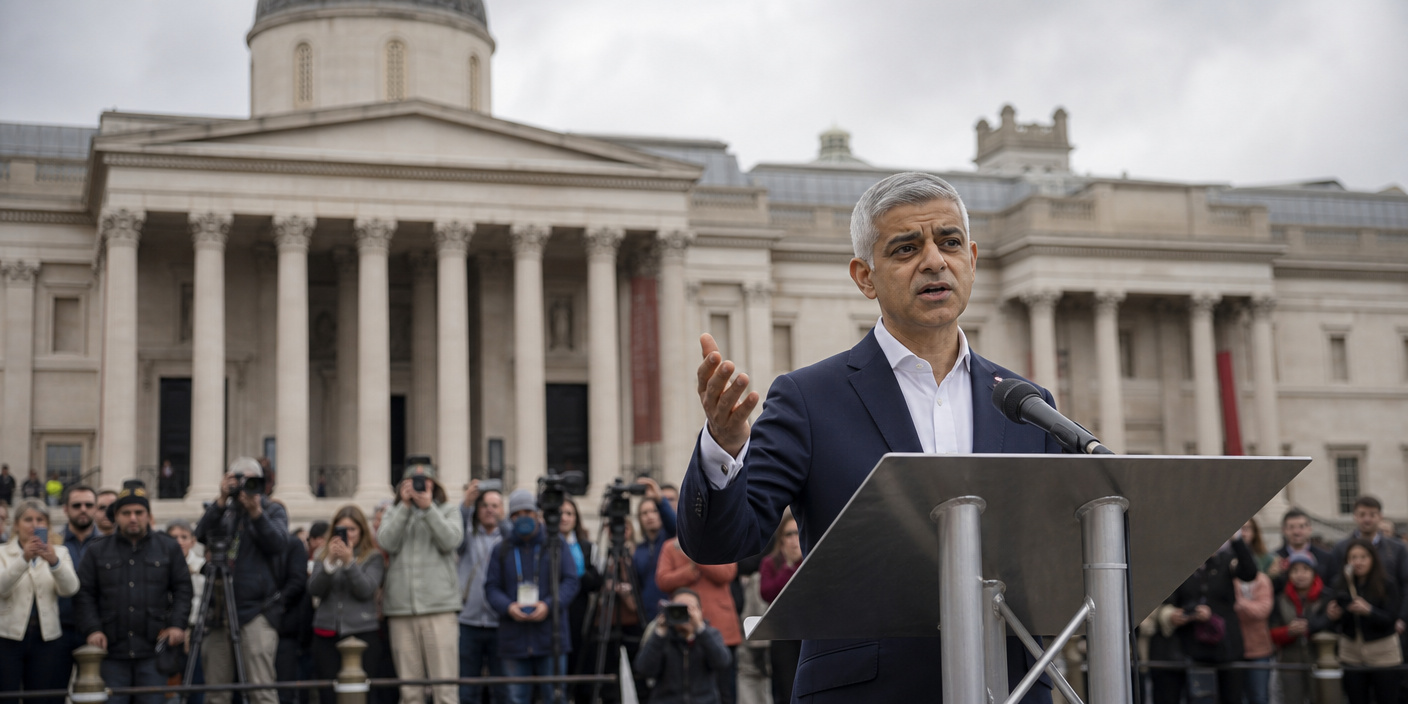
London Mayor Sadiq Khan has issued a forceful declaration regarding the future of the city’s cultural landscape, firmly opposing any potential government consideration of implementing admission charges for overseas visitors at national museums. As the debate over public funding and the future of cultural institutions intensifies, Khan’s stance positions free access not merely as a policy preference, but as a fundamental tenet of the ‘national story’—a narrative that he believes belongs to everyone, regardless of nationality or financial background.
The ‘National Story’ and the Argument for Open Access
At the core of Sadiq Khan’s objection is a philosophical commitment to the democratization of art and history. The Mayor has consistently argued that the United Kingdom’s national museums serve as the custodians of global and local history, and restricting access to these spaces—even exclusively for international tourists—risks commodifying knowledge. By treating museums as public spaces rather than gated attractions, London sustains its reputation as a global city that values education and inclusivity over profit.
Proponents of free entry, including Khan, emphasize that the current model is a significant driver of the tourism economy. When visitors are not faced with per-person admission fees, they are more likely to spend their travel budgets on local hospitality, transport, and ancillary retail, thereby stimulating the broader London economy. Conversely, the introduction of a ‘tourist tax’ or entrance fee could potentially deter visitors, encouraging them to divert their travel plans to other European capitals that maintain policies of accessibility.
Historical Context: The 2001 Policy Shift
To understand the gravity of Khan’s intervention, one must look at the historical precedent of the current model. In 2001, the UK government implemented a landmark policy change, removing entry fees for major national museums and galleries. This decision was part of a broader strategy to increase public engagement, particularly among lower-income demographics, and to make the nation’s cultural treasures accessible to all citizens and visitors alike.
Since that policy was adopted, the UK has seen a dramatic increase in museum attendance, effectively turning London into a global hub for cultural tourism. The ‘free entry’ model has become synonymous with the London experience, often cited alongside the British Museum, the Victoria and Albert Museum (V&A), and the Natural History Museum as essential stops for any international traveler. Any legislative shift away from this model would require a dismantling of decades of cultural policy and could fundamentally alter the relationship between the state, the public, and the institutions that preserve the nation’s heritage.
Economic Pressures and the DCMS Dilemma
The Department for Culture, Media and Sport (DCMS) often finds itself in the crosshairs of this debate. As the body responsible for government funding of the arts, the DCMS faces perennial budgetary constraints, leading some policymakers to periodically suggest that charging international visitors could generate the revenue necessary to address funding deficits or maintain building infrastructure.
However, the logistical and economic arguments against such a system are significant. Implementing a tiered entry system—where domestic visitors enter for free while international tourists pay—presents a bureaucratic nightmare. It requires identity verification at the gate, which could slow down entry, increase security staffing costs, and create an exclusionary atmosphere that contradicts the welcoming ethos of public institutions. Furthermore, economic analysis suggests that the administrative costs of collecting fees could potentially erode the net revenue gained, leaving institutions with little additional capital while damaging their public image.
The Secondary Angles: Social Mobility and Cultural Diplomacy
Beyond the immediate economics, the debate touches upon two critical secondary issues: social mobility and cultural diplomacy.
First, from the perspective of social mobility, free museums serve as vital ‘third spaces’ where learning is encouraged outside of the formal educational system. When a museum is free, it allows families from all economic backgrounds to engage with history and science without the barrier of cost.
Second, in terms of cultural diplomacy, the ‘soft power’ exerted by the UK through its free museums is immeasurable. By providing open access, the UK signals a commitment to global enlightenment and cultural exchange. If London were to move toward a fee-based model, it could arguably weaken this influence, positioning the UK as more transactional and less aligned with the ideals of universal access to knowledge.
Future Outlook and Political Implications
As Sadiq Khan continues to advocate for the status quo, the political stakes are high. The Mayor’s opposition forces the government to weigh the immediate appeal of revenue generation against the long-term potential for cultural erosion. With London’s tourism sector representing a massive portion of the UK’s GDP, any policy that threatens the city’s status as a top-tier global destination will undoubtedly face intense scrutiny from the London Assembly, local business leaders, and cultural stakeholders across the nation. The outcome of this discussion will likely define the cultural policy of the United Kingdom for years to come.