The Gagosian Gallery, a powerhouse of the international contemporary art scene, has officially shuttered its physical location within London’s historic Burlington Arcade. This closure, which follows a period of experimentation with smaller, retail-centric spaces, signifies a broader trend in how the world’s elite art dealers are managing their physical footprint in the post-pandemic era. While the Burlington Arcade location was celebrated for bringing blue-chip art into the world of luxury retail, its closure underscores the reality that even the most prestigious galleries must prioritize efficiency and scale over public-facing novelty.
The 2020 Retail Experiment
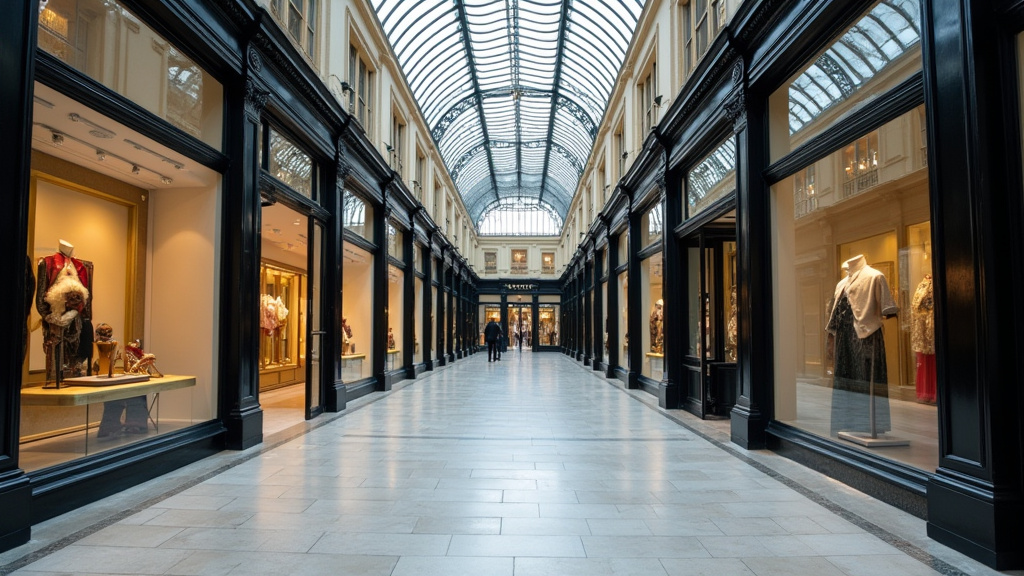
When Gagosian first opened its doors within the narrow, Victorian-era corridors of the Burlington Arcade in September 2020, it was viewed as a radical departure from the norm. The space was tiny—approximately 300 square feet—a stark contrast to the sprawling industrial-style warehouses that typically define the Gagosian brand. The intent was clear: bridge the gap between high-end retail and the fine art market. By placing itself alongside high-end perfumeries, watchmakers, and leather goods stores, Gagosian was testing the concept of the “gallery-as-shop,” hoping to capture foot traffic from the affluent Mayfair shopping crowd. It was an exercise in accessibility and brand visibility, designed to demystify the acquisition of high-value art.
The Shift to Mega-Gallery Dynamics
Ultimately, the closure of the Burlington Arcade branch is less about the failure of that specific location and more about the consolidation of Gagosian’s long-term business model. The “mega-gallery” ecosystem, which Gagosian helped pioneer, relies on the ability to display large-scale installations, host private viewings for collectors, and provide ample square footage for curatorial freedom. The retail-arcade model, while successful at capturing walk-in interest, lacked the spatial requirements necessary for the heavy-hitting exhibitions that define the gallery’s status as a market leader.
By closing this branch, the dealer is effectively signaling a return to its core strength: the immersive, monumental exhibition space. This is part of a wider strategic movement among global galleries to cut costs associated with peripheral, high-rent, low-utility spaces, focusing instead on primary “hubs” that can anchor their global operations. In London, Gagosian continues to command significant influence through its larger venues, such as those on Grosvenor Hill and Britannia Street, which remain the engine rooms of its UK operations.
The Economic Realities of Mayfair Real Estate
The Burlington Arcade, managed by The Crown Estate, remains one of the most prestigious addresses in London. However, maintaining a commercial art gallery in a retail-heavy environment presents unique challenges. The costs of maintaining a premium Mayfair lease, coupled with the security and staffing requirements of a luxury art environment, create a high hurdle for profitability. For a gallery with the reach and infrastructure of Gagosian, these boutiques can sometimes become “vanity assets”—high-visibility, low-utility spaces that do not generate the same return on investment as a dedicated exhibition hall capable of hosting major sales and international curator tours.
Evaluating the Legacy of the Outpost
Despite the closure, the Burlington Arcade experiment should not be dismissed as a failure. It served as a vital touchpoint during the pandemic, keeping the brand visible when traditional museum-style gallery visits were constrained by health protocols. It successfully demonstrated that art could thrive in a luxury retail environment, influencing other commercial dealers to experiment with similar “pop-up” concepts. Yet, as the art world returns to its traditional rhythm of major auctions, art fairs, and monumental exhibitions, the focus is clearly pivoting back to scale. The Gagosian exit is, in effect, a vote of confidence in the future of the large-format gallery experience over the small-format boutique, setting the stage for what is likely to be a period of further consolidation across the Mayfair district.