
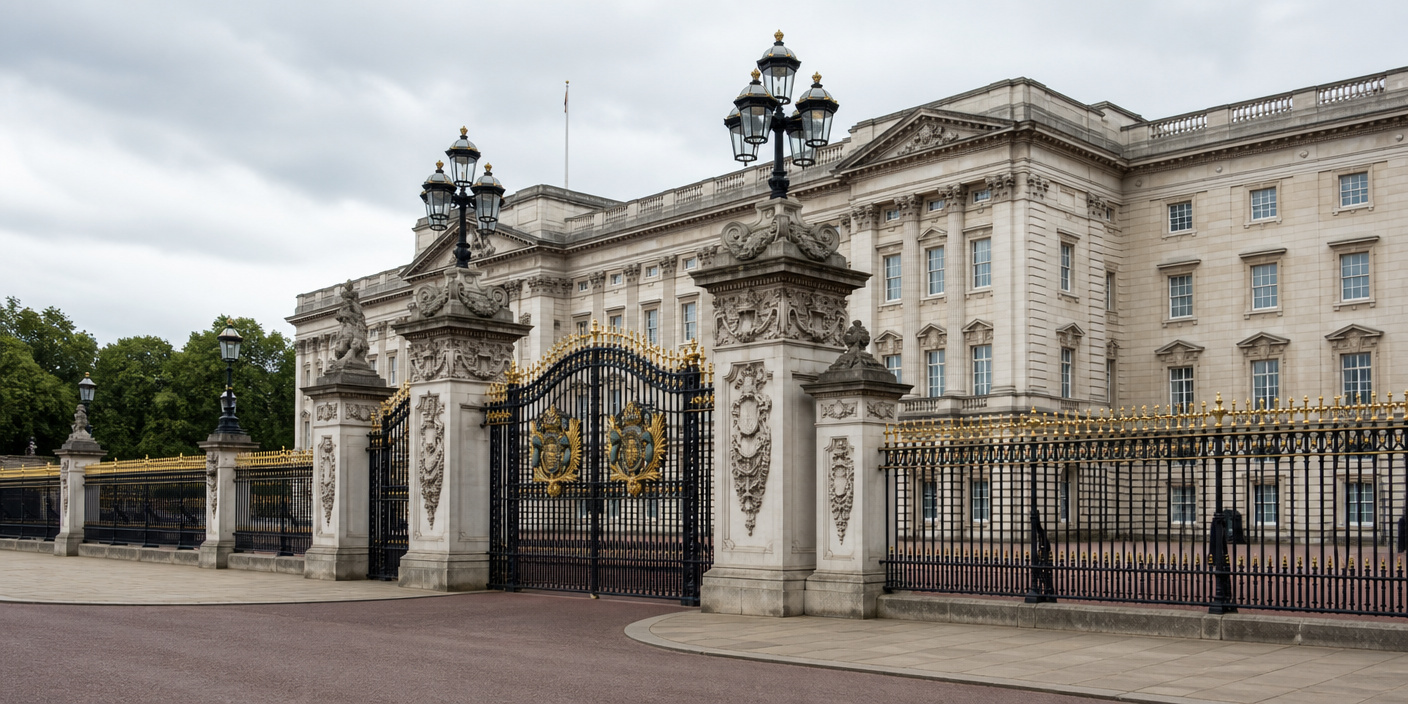
Buckingham Palace has broken its silence, issuing a formal and uncharacteristically sharp rebuttal to significant allegations detailed in ‘Swan Song’, the latest book from Charles Spencer, the 9th Earl Spencer. The memoir, which offers a retrospective on Spencer’s life and familial connections, includes claims suggesting that King Charles III spoke of Princess Diana in a dismissive manner shortly after her tragic death in 1997. By directly addressing these assertions, the Royal Household has signaled a deviation from its traditional ‘never complain, never explain’ policy, highlighting the escalating tension between the Monarchy and the Spencer family regarding the public legacy of the late Princess of Wales.
Key Highlights
- Direct Rebuttal: Buckingham Palace has categorically refuted specific claims regarding the King’s reaction to the death of Princess Diana, terming them inaccurate and damaging.
- The ‘Swan Song’ Controversy: The core of the dispute centers on excerpts from Charles Spencer’s new book, ‘Swan Song’, which alleges the King’s dismissive attitude following the 1997 Paris accident.
- Shifting PR Strategy: This response marks a significant pivot in the Royal Household’s approach, choosing to confront memoirs and public claims directly rather than maintaining silence.
- Long-standing Tensions: The situation underscores the enduring complexities surrounding the legacy of Princess Diana and the delicate, often strained, relationship between the Spencer and Windsor families.
The Institutional Response: A Shift in Royal PR Strategy
The decision by Buckingham Palace to issue a formal rebuttal against claims made in a private memoir is a strategic departure from the established royal playbook. For decades, the mantra of the British Monarchy was effectively summarized by the late Queen Elizabeth II: ‘Never complain, never explain.’ This approach was designed to keep the institution above the fray of tabloid gossip and individual controversies. However, the release of high-profile, critical memoirs—from the Duke of Sussex’s ‘Spare’ to the reflections of the late Princess’s brother—has forced a modernization of the Palace’s communication strategy.
Confronting the Narrative
In the case of ‘Swan Song’, the Palace’s intervention is calculated. By labeling the allegations as incorrect, the Royal Household is attempting to preempt the cementing of an unfavorable historical narrative. The claims made by Charles Spencer, which suggest that King Charles III (then the Prince of Wales) reacted to the news of Diana’s death with a lack of empathy or appropriate decorum, strike at the core of the King’s reputation—a reputation he has spent decades carefully reconstructing. The Palace’s swift response indicates a recognition that silence can, in the current digital landscape, be misconstrued as tacit agreement. This represents a more aggressive stance, aimed at defending the King’s personal character and, by extension, the integrity of the institution itself.
The Historical Weight of the 1997 Tragedy
1997 remains the most sensitive period in modern British royal history. The death of Diana, Princess of Wales, created a public outpouring of grief that arguably caught the Royal Family off guard. For years, narratives surrounding the reaction of the then-Prince of Wales have been subject to intense speculation. By bringing these memories to the forefront, Charles Spencer’s book touches a nerve that has never fully healed. The Palace’s rebuttal serves as a boundary-setting exercise, aiming to ensure that the official record—as maintained by the institution—remains insulated from the emotional, and sometimes subjective, recollections of those within the wider family circle.
The Spencer-Windsor Dynamic: A Complex Heritage
The tension between the Spencers and the Windsors is not new. It has been a recurring feature of royal history, dating back to the courtship and marriage of Diana and Charles. The 9th Earl Spencer has often positioned himself as the guardian of his late sister’s memory, frequently at odds with the perception of that memory within royal circles. ‘Swan Song’ serves as a continuation of this dynamic, re-examining the familial trauma that has shaped the modern monarchy.
The Ethics of Modern Memoirs
There is a broader sociological question being raised by this event: what is the ethical responsibility of a public figure when writing a memoir that involves living members of a head-of-state institution? The Palace’s rebuke highlights the tension between the memoirist’s right to personal truth and the institution’s need to protect the privacy and reputation of its members. This conflict has turned the publishing industry into a new front line for the Royal Family. It suggests that the institution is no longer willing to allow narratives about the King’s past to go unchallenged, regardless of who is authoring them.
Future Implications for the Monarchy
As we look forward, this incident suggests that the ‘war of the memoirs’ is likely to continue. With the public appetite for behind-the-scenes insights into the Royal Family showing no signs of abating, the Palace must refine its approach. Will we see more frequent, targeted rebuttals, or will this prove to be an isolated incident? The answer likely lies in the Palace’s assessment of risk: when claims reach a threshold that threatens the King’s standing with the public, the institution will likely continue to opt for direct, formal confrontation. This development signals a new era for the British Monarchy, one where the pen is viewed as being just as powerful, and perhaps as dangerous, as the political machinery of the past.
FAQ: People Also Ask
Did the King directly comment on the book?
No, the formal rebuttal was issued by the Royal Household on behalf of the King. It is highly unusual for the Monarch to issue personal statements regarding books or media coverage, preferring to leave such communications to official spokespeople.
Why is the book title ‘Swan Song’ significant?
The title, as noted in the source material, implies a final look back or a concluding chapter on the themes discussed. In the context of Charles Spencer’s life, it suggests a reflective, perhaps definitive, account of his experiences within the familial and societal orbit of the Royals.
How does this affect the relationship between the Earl and the King?
The formal nature of the rebuttal confirms that there is a distinct distance between the two parties. While family ties exist, they are being navigated through the lens of public statements and institutional responses, which effectively elevates private family disputes into matters of public record.
Is this response standard for Buckingham Palace?
Historically, no. The Palace typically ignores critical coverage to avoid amplifying it. However, the current communications team has shown a greater willingness to correct inaccuracies when they involve the core reputations of senior working royals.