London Fashion Week 2026 officially ignites today, September 18, 2026, transforming the United Kingdom’s capital into a global epicenter of design, commerce, and creative innovation. Running through September 22, this year’s iteration of the biannual event promises to reshape the international fashion calendar with a focus on immersive showcases, cutting-edge textile technology, and the relentless promotion of British creative talent.
Key Highlights
- Event Timeline: The five-day schedule runs from September 18 to September 22, 2026, encompassing runway shows, digital showcases, and industry summits.
- The BFC Initiative: The British Fashion Council (BFC) has implemented a new ‘Net-Zero Venue’ policy, ensuring all official locations meet strict carbon-neutral certification standards.
- Economic Impact: Industry analysts project this year’s showcase will contribute upwards of £350 million to the London economy, bolstered by international buyer traffic and hospitality spend.
- Digital-First Approach: A hybrid integration of augmented reality (AR) runways is available globally, allowing virtual attendees to experience collections in real-time alongside front-row press.
The BFC Blueprint: Steering the Future of British Fashion
As the industry gathers at the epicenter of the capital, the focus this year is undeniably on the strategic direction led by the British Fashion Council. Since its inception, London Fashion Week (LFW) has served as more than just a presentation of seasonal trends; it acts as a critical economic engine and a launchpad for the world’s most significant creative talents. The 2026 edition stands out as a pivot point, with the BFC emphasizing the integration of “Newgen” talent—a long-standing initiative designed to nurture emerging designers. This year, the focus has shifted toward sustainability not merely as a marketing buzzword, but as an operational requirement. Every participating designer has undergone a vetting process regarding supply chain transparency, reflecting a seismic shift in how the industry views corporate responsibility.
Economic Vitality and the Capital’s Influence
The economic implications of this week are profound. With international travel back to pre-pandemic vigor, London is seeing a surge in high-net-worth buyer attendance. Hospitality sectors, particularly in Soho, Mayfair, and the City of London, are operating at 95% occupancy. Financial experts note that the ‘Fashion Week Effect’ generates a consistent ripple across the luxury goods and retail sectors. As retailers look to finalize their Spring/Summer 2027 orders, the presentations held today offer the first concrete indicator of consumer demand for the coming year. The collaboration between the Mayor’s office and the BFC has further solidified the event’s status as a top-tier cultural export, rivaling Paris and Milan in terms of commercial viability and global media coverage.
Sustainability: The Unspoken Requirement
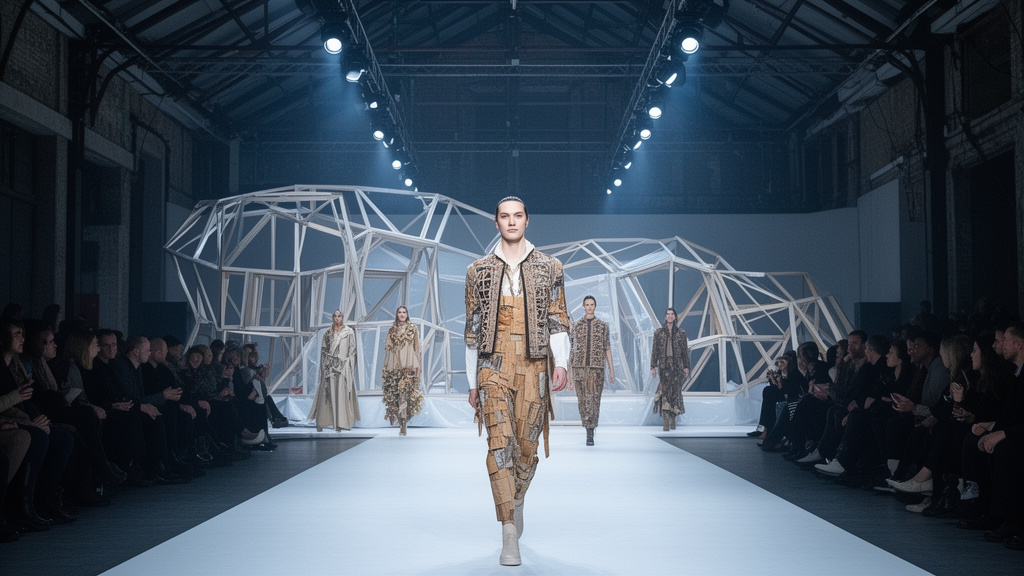
Perhaps the most significant development in 2026 is the environmental mandate. The move toward circular fashion has moved from the periphery to the center of the stage. This year, the main runway hub at 180 Strand has been retrofitted with modular, reusable materials, a stark contrast to the waste-heavy production designs of the early 2020s. Designers are showcasing collections that prioritize upcycled fabrics, bio-based leathers, and low-water-usage dyeing techniques. This shift is not just ethical; it is increasingly a commercial imperative, as global consumers demand greater transparency. The BFC’s ‘Institute of Positive Fashion’ is running concurrent workshops throughout the week, ensuring that the legacy of this event is measured not just in sales, but in its reduced carbon footprint.
Digital Integration and the Future of Runways
Technology is no longer an afterthought. The 2026 schedule features a robust array of ‘Phygital’ experiences. Utilizing 5G and low-latency streaming technologies, the BFC has enabled front-row, 360-degree viewing for international audiences. This democratization of the runway is changing the power dynamics of the industry. No longer are the shows exclusively for the gatekeepers of major fashion publications; they are now interactive, communal experiences. Virtual reality pop-ups located across the city allow passersby to step into the designer’s headspace, creating a public-facing element that makes the high-fashion world feel significantly more accessible to the average consumer. This hybrid model is expected to become the industry standard by 2028.
FAQ: People Also Ask
Q: How can I attend London Fashion Week 2026?
A: While many runway shows are industry-only and require accreditation, there are various public-facing events, installations, and exhibitions held throughout London. Members of the public are encouraged to check the official British Fashion Council website for public ticket releases and pop-up store locations.
Q: Why is London Fashion Week considered important for the global economy?
A: London Fashion Week acts as a massive trade event. It facilitates deals between designers, manufacturers, and international retail buyers, driving millions in revenue for the fashion, retail, tourism, and hospitality sectors annually.
Q: What is the focus of this year’s LFW?
A: The primary focus for 2026 is sustainability and digital innovation. The event highlights the ‘Net-Zero Venue’ initiative and the integration of immersive, Phygital (physical and digital) runway experiences to reach a wider global audience.