Vandalism of traffic monitoring systems, primarily centered around London’s Ultra Low Emission Zone (ULEZ) expansion, has surged, fueled by a decentralized movement of “Blade Runners” protesting perceived government overreach and conspiracy-driven narratives regarding surveillance technology. This trend represents a significant escalation in the intersection between digital infrastructure and physical civil disobedience, creating a multi-million-pound challenge for law enforcement and local transport authorities.
Key Highlights
- Metropolitan Police recorded over 1,000 crimes linked to ULEZ cameras and associated infrastructure throughout 2023.
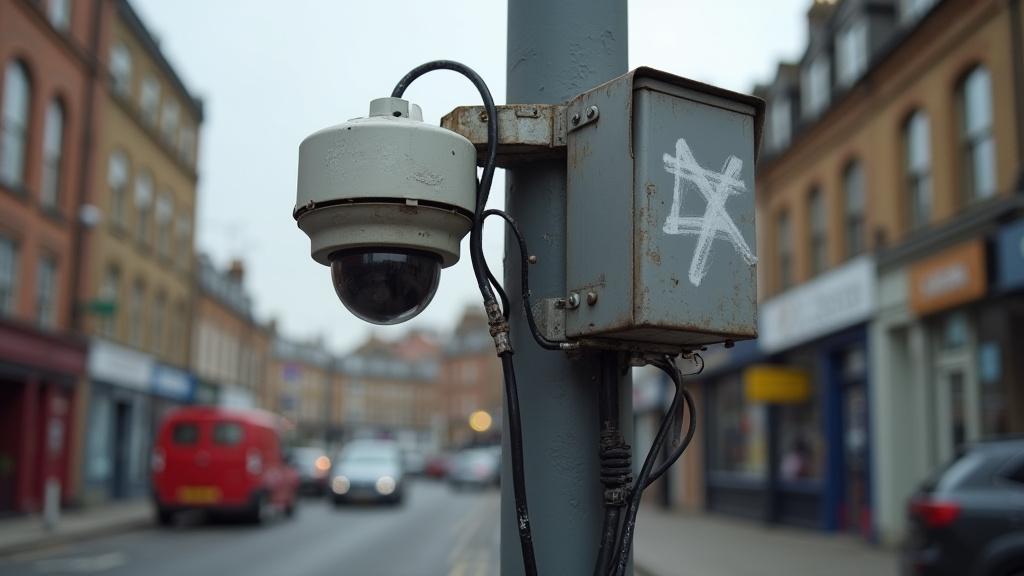
- The vandalism typically involves cutting wires, obscuring lenses with spray paint, or the physical removal of camera equipment from mounting poles.
- The “Blade Runner” movement remains decentralized, often coordinating tactics via encrypted messaging apps and social media platforms to evade detection.
- Authorities report that the costs of repairing or replacing these units, combined with the diversion of police resources, place a significant financial burden on taxpayers and municipal budgets.
The Architecture of a Digital Rebellion
The systematic disabling of traffic scanners across the United Kingdom is not merely a localized nuisance; it is a manifestation of deep-seated societal friction regarding the role of state surveillance in public life. While the trigger for this specific wave of vandalism is the expansion of London’s Ultra Low Emission Zone (ULEZ) by Transport for London (TfL) and the office of the Mayor of London, the underlying ideology transcends clean air policies. It touches upon a broader, global anxiety regarding the “smart city” concept.
The Rise of the ‘Blade Runners’
The term “Blade Runner” has been adopted by a loose coalition of activists, protestors, and agitators who utilize specific tools—often angle grinders and heavy-duty wire cutters—to disable Automatic Number Plate Recognition (ANPR) cameras. Unlike traditional protests, this is an act of attrition. By creating a 24/7 environment of destruction, these groups aim to make the maintenance of surveillance networks prohibitively expensive and logistically impossible for local councils.
Research indicates that this behavior is often contagious. The emergence of “copycat” vandalism is accelerated by social media, where videos of successful camera disabling are shared as digital trophies. This viral nature of the defiance creates a feedback loop: every successful act of sabotage inspires five more, turning a policy dispute into a war of urban attrition.
The Conspiracy Ecosystem and 15-Minute Cities
A critical, yet often misunderstood, element of this vandalism is the convergence with broader conspiracy theories. Much of the discourse online links ULEZ enforcement directly to the concept of “15-minute cities”—a planning paradigm designed to increase local accessibility. In the eyes of conspiracy theorists, this is reinterpreted as a plan to trap citizens within zones, restricting movement and monitoring travel habits under the guise of environmental protection.
This conflation of policy and paranoia is a significant driver of the current unrest. When protestors view cameras not as traffic management tools but as “digital fences,” the justification for destruction becomes moralized. They frame their actions as “self-defense” against a dystopian future, which complicates the ability of authorities to de-escalate the situation through traditional communication channels.
Economic and Legal Consequences
The economic impact is stark. According to data provided by Transport for London, the vandalism has necessitated a rigorous security upgrade for the cameras. This involves encasing cables in reinforced conduits, installing anti-climb coatings on poles, and increasing the frequency of patrols. These remedial measures shift millions of pounds from potential transport improvement projects to mere asset protection.
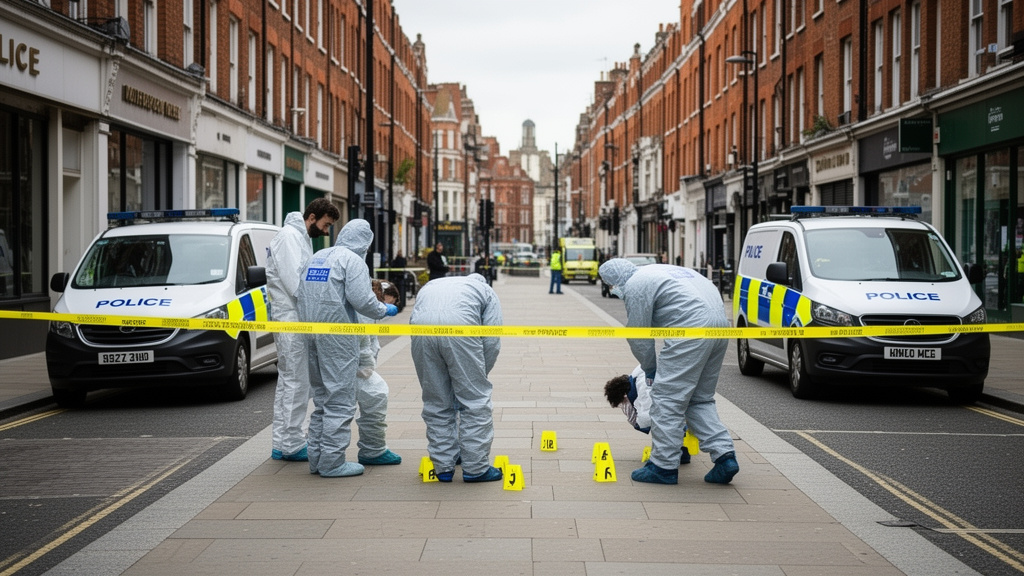
Legally, the crackdown has been severe. The Metropolitan Police Service (MPS) has established dedicated task forces to track these crimes. While many acts occur under the cover of darkness, the proliferation of private doorbell cameras and dashcams has provided investigators with crucial evidence. Prosecutions for criminal damage have resulted in fines, community orders, and, in repeated cases, custodial sentences, though the decentralized nature of the movement makes it difficult for authorities to dismantle the infrastructure supporting the activists themselves.
The Future of Civic Infrastructure
As cities globally look to modernize, the “Blade Runner” phenomenon offers a case study in the risks of implementing technology without broad public buy-in. The clash in London serves as a warning for municipalities worldwide: the gap between technical implementation and public perception can be bridged only through radical transparency. Without this, technological advancements—whether for climate, traffic, or safety—are increasingly vulnerable to the physical rage of those who feel the “grid” is closing in on their personal freedoms.
FAQ: People Also Ask
What are the legal consequences for destroying traffic cameras?
Destroying traffic infrastructure is classified as criminal damage under UK law. Offenders can face substantial fines, criminal records, and potential prison sentences, particularly if the damage is widespread or categorized as an organized criminal conspiracy.
Why are these cameras being targeted specifically?
They are being targeted primarily because they are the physical enforcement mechanism for the ULEZ expansion, which requires ANPR technology to identify vehicle compliance. Conspiracy theorists also target them as symbols of state surveillance and control.
Are these attacks organized?
It is a mix. While there is no single “leader,” there is an organized, decentralized movement that shares tactics, encourages copycat behavior, and uses social media to plan activities, earning them the moniker “Blade Runners.”
How are authorities responding?
The Metropolitan Police have deployed dedicated teams to monitor high-risk areas. Additionally, Transport for London has implemented “hardening” tactics, such as stronger physical shielding for cables and cameras, to make them significantly harder to damage.