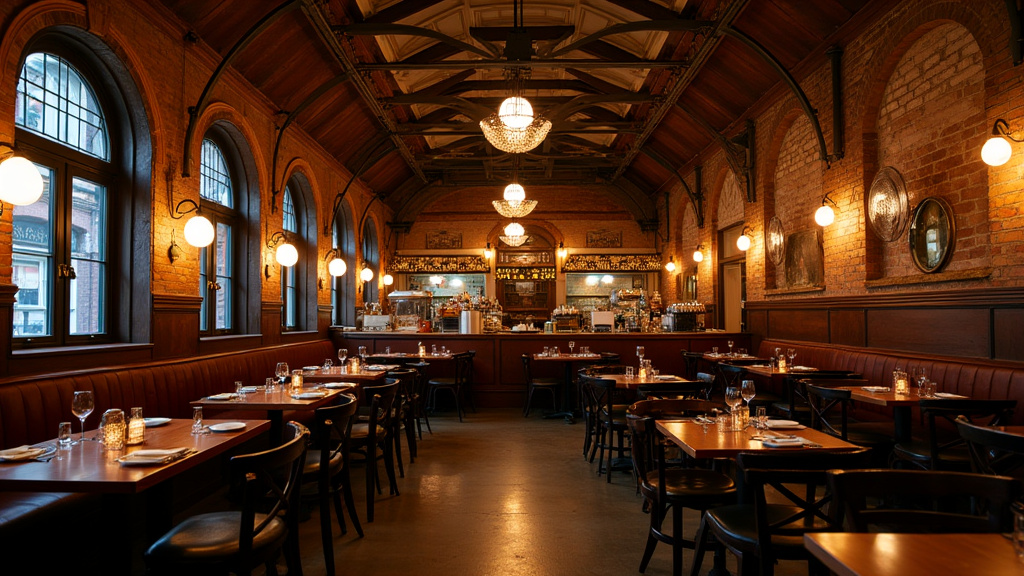
The London culinary landscape in 2026 has shifted away from the pursuit of aesthetic perfection toward a more profound obsession with ingredient integrity and textural contrast. As restaurants navigate a complex economic environment, the chefs gaining the most traction are those who strip away the superfluous, focusing instead on perfecting singular, unforgettable bites. Based on the latest curations from industry authority Hot Dinners, the city’s restaurant scene this year is defined by two distinct movements: the resurgence of high-craft pastry and the elevation of traditional, charcoal-grilled communal foods.
The Savoury Renaissance: The Golden Tooth
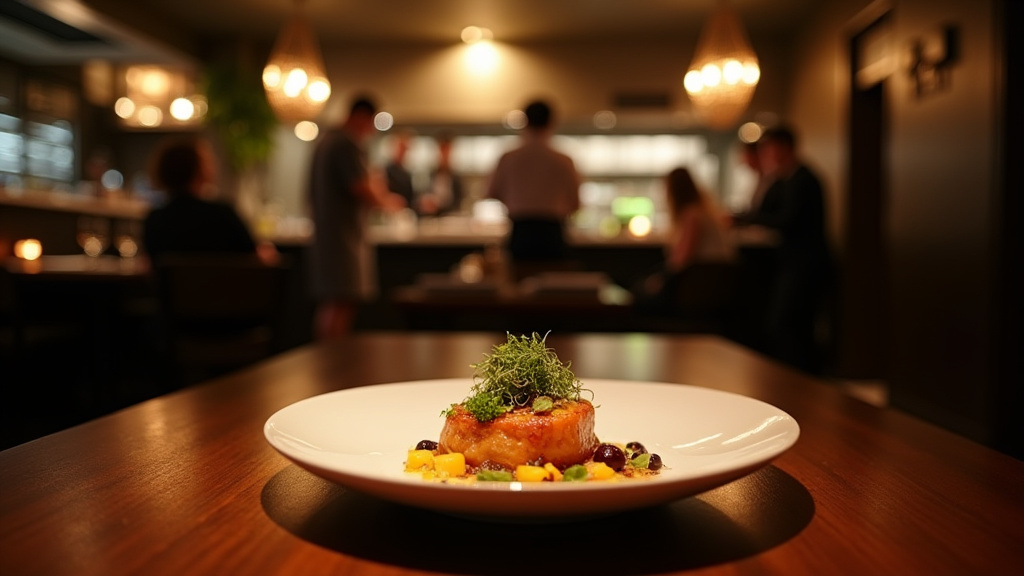
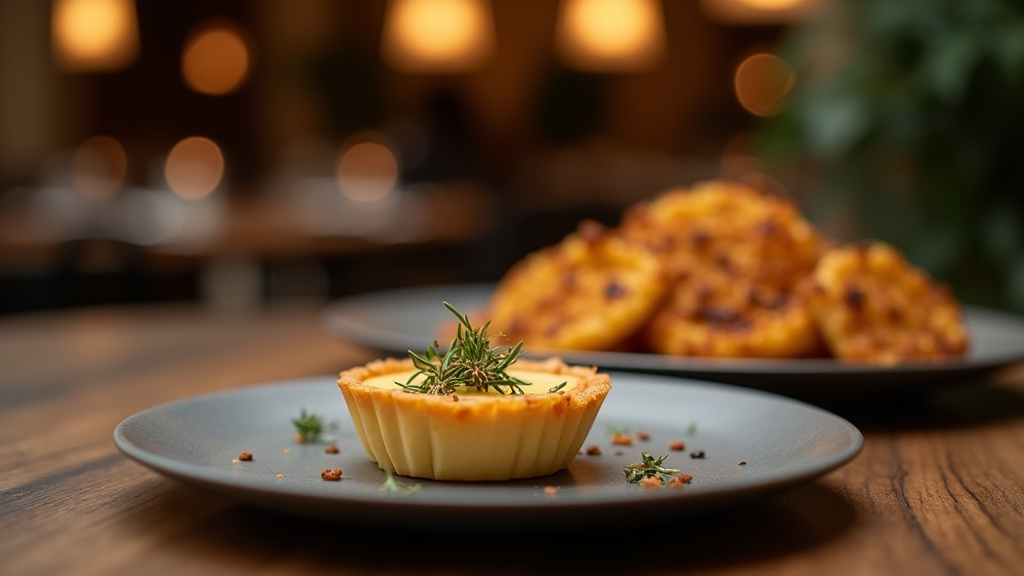
Perhaps no dish has generated as much critical buzz this year as the savoury custard tart served at The Golden Tooth. In an era where complex fermentation and deconstruction often dominate, The Golden Tooth has taken a defiant step backward into the realm of classical technique, albeit with a modern, ingredient-first mindset. The tart is not merely a side; it is a structural marvel. The pastry shell, possessing a buttery, crystalline snap, holds a silken custard infused with foraged herbs and, depending on the week’s harvest, seasonal additions like chanterelles or charred leeks. It is a dish that demands attention not because of its visual theatrics, but because of the sheer technical precision required to balance the fat content of the custard against the structural integrity of the shell. It reflects a growing trend in London’s dining rooms: the return of “proper” cooking that prioritizes mouthfeel and depth of flavour over photogenic garnish.
Modernising Tradition: Impala’s Sheftalia
Contrasting the delicate finesse of the tart is the raw, charcoal-driven energy found at Impala. The restaurant has successfully elevated the Cypriot sheftalia—a traditional sausage composed of pork, lamb, and caul fat—into a dish that feels both nostalgic and distinctly contemporary. Impala’s version of the sheftalia is defined by its crust. Grilled over binchotan charcoal, the caul fat renders out to create an intensely crispy exterior that shields a juice-laden, herb-heavy interior. While sheftalia is a staple in various Cypriot households, Impala has refined the seasoning profile, introducing subtle notes of smoked paprika and wild oregano sourced from small-scale growers. It is a masterclass in how to modernize street-food staples without losing the soul of the original dish. The success of this plate indicates a shift in 2026 toward “approachable fine dining,” where the quality of the raw ingredient is the primary marker of prestige.
The 2026 Dining Landscape: Beyond the Plate
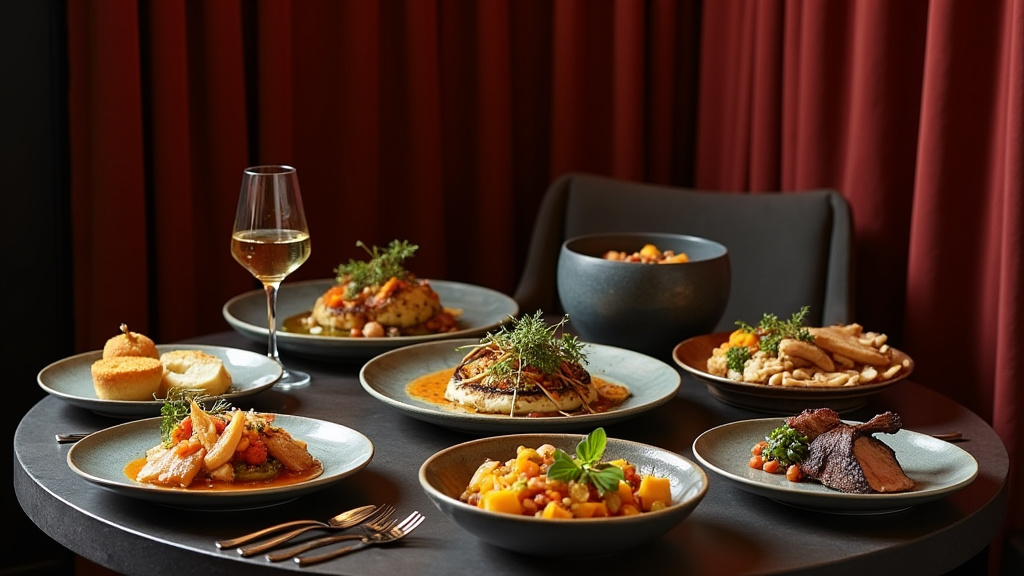
Beyond the specific accolades of individual dishes, the 2026 dining season offers a broader commentary on the industry’s state. There is a perceptible “ingredient transparency” movement taking root across the capital. Diners are increasingly interrogating the provenance of their meals, and top-tier establishments are responding by fostering closer, more exclusive relationships with UK-based farmers. This trend is not merely ideological; it is a necessity driven by fluctuating global supply chains. By focusing on hyperlocal sourcing, chefs like those at The Golden Tooth and Impala are insulating their menus from price volatility while simultaneously creating a flavor profile that is uniquely tied to the British terroir.
Economic and Cultural Implications
We must also consider the economic shifts underpinning these culinary choices. With operating costs rising, the “best” dishes of 2026 are often those that utilize high-skill, low-waste techniques. Both the custard tart and the sheftalia represent a move toward maximizing value for the diner through preparation time rather than expensive, imported luxury ingredients. This is a critical pivot. For the savvy 2026 diner, value is no longer defined by the presence of caviar or truffle; it is defined by the transformation of humble, locally sourced proteins and dairy into something transformative. This economic pressure has forced a creative breakthrough, proving that necessity remains the mother of the most compelling gastronomic invention.
Future Predictions
Looking ahead to the remainder of 2026, we anticipate a continued divergence between “theatre dining” and “technique dining.” While immersive restaurant experiences remain popular, the most enduring success stories will likely mirror the path taken by the restaurants highlighted here. We expect to see more chefs pivoting toward open-fire cooking and historical pastry techniques, as these methods offer the highest return on investment in terms of flavor intensity. The winners of 2026 will be the venues that can replicate this balance of simplicity and technical excellence, ensuring that while the world changes, the quality on the plate remains constant.
FAQ: People Also Ask
What makes a dish a ‘standout’ in 2026?
In 2026, standout dishes are defined by ingredient provenance, texture, and technical mastery. Critics are looking for evidence of a chef’s personal touch, such as in-house fermentation or bespoke grilling techniques, rather than reliance on imported luxury ingredients.
Is the London food scene more expensive this year?
While operating costs have risen, many of the “best” new dishes are surprisingly accessible. Restaurants are using high-skill, low-waste techniques to keep menu prices sustainable for diners while maintaining high culinary standards.
Should I book in advance for these specific dishes?
Yes. Due to the high visibility of reviews from platforms like Hot Dinners, popular items like The Golden Tooth’s savoury custard tart often sell out daily. Booking at least two weeks in advance is highly recommended for dinner service.
Are these dishes suitable for vegetarians?
While the sheftalia at Impala is a meat-based dish, the focus at restaurants like The Golden Tooth is increasingly on produce-led, seasonal items. Always check the current menu online, as many of these ‘must-eat’ items change based on ingredient availability.