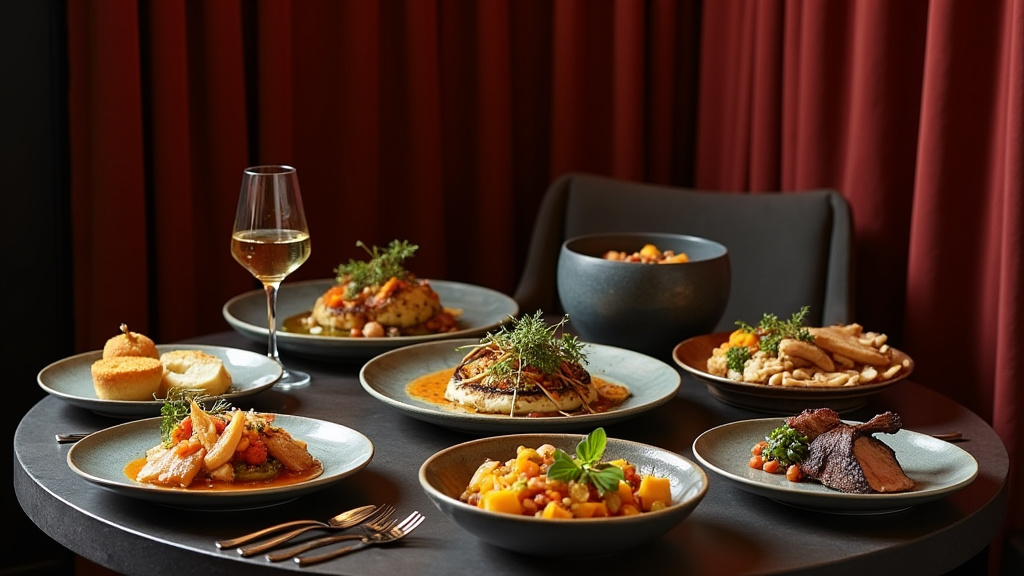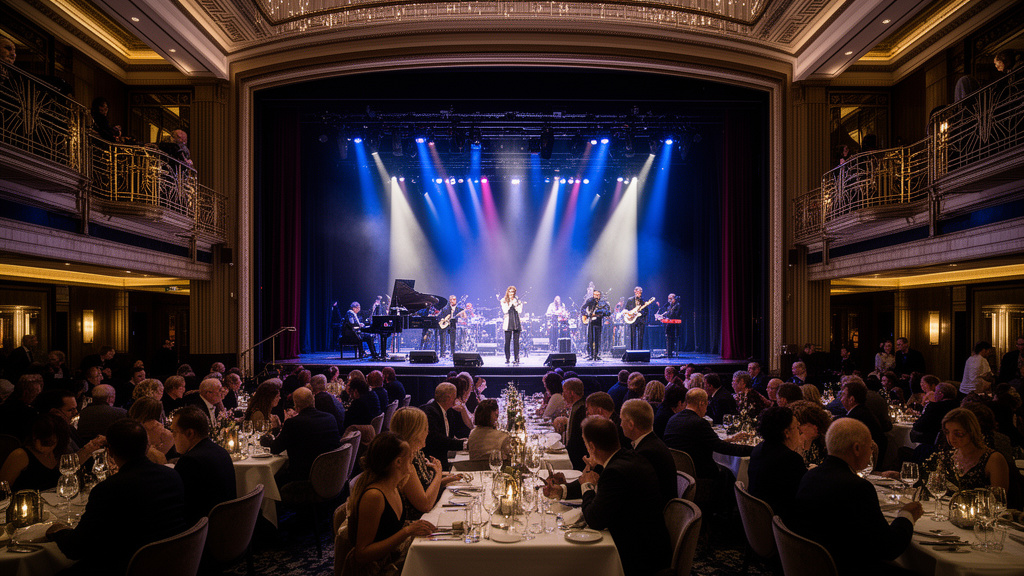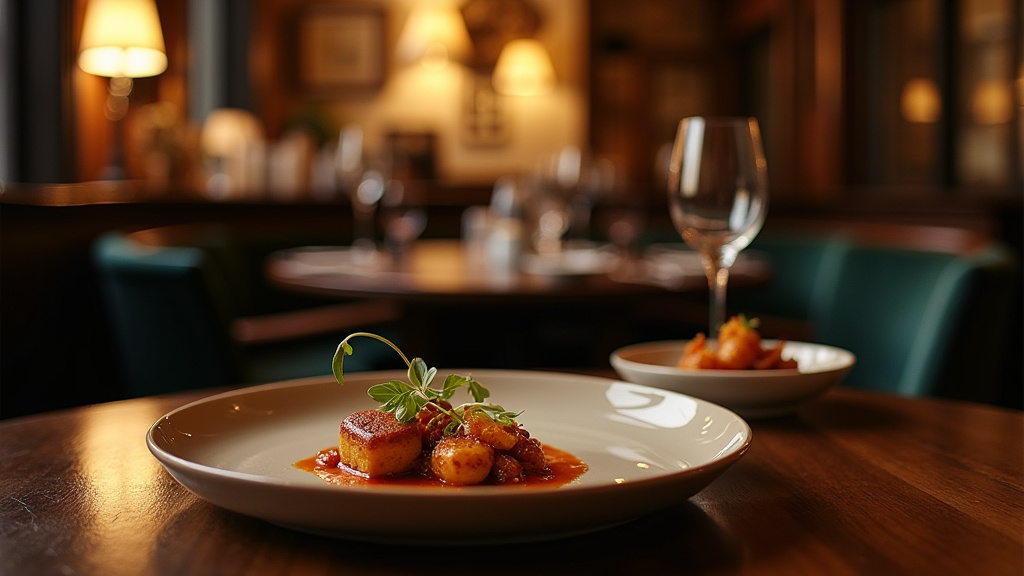
As the leaves turn in London this October 2026, the city’s restaurant landscape is undergoing a fascinating correction. We are witnessing a definitive retreat from the massive, multi-floor concepts that dominated the post-pandemic recovery era in favor of highly curated, hyper-intimate, and operationally nimble dining rooms. This month’s newcomers aren’t just selling food; they are selling singular visions, precise experiences, and, most importantly, a return to artisanal craftsmanship. From the historic arteries of the City to the residential charm of Stoke Newington, the focus has shifted firmly back to the plate and the pour.
Key Highlights
- Cloth Cornhill: A sophisticated wine-led concept in the City of London that challenges the area’s reputation for corporate dining.
- The Endo Kazutoshi Chelsea Expansion: A bold, 10-seater omakase room that marks a move toward extreme exclusivity and chef-led interaction.
- Da Pino, Stoke Newington: A prime example of the ‘neighborhood hero’ restaurant, prioritizing Italian heritage and local engagement.
- Macro-Trend: A city-wide pivot toward sub-50 cover restaurants, signaling a sustainable shift in staffing models and supply chain management.
The Autumnal Shift: Where London is Eating Now
For the discerning diner in London, October 2026 represents a moment of introspection for the hospitality industry. The industry is signaling a departure from the ‘loud’ dining concepts of yesteryear—venues where design often overshadowed the culinary output. Today, the heat is entirely on the ‘micro-concept.’ This trend is not merely aesthetic; it is a tactical response to the rising costs of labor and energy, favoring smaller footprints that maximize yield per square foot while maintaining high-end quality.
Cloth Cornhill: The City’s New Liquid-Led Destination
Located in the heart of London’s financial district, Cloth Cornhill is the most significant opening for the City this autumn. The concept is refreshingly simple, yet executionally difficult: it is a wine-first restaurant. While the City of London has historically been defined by gargantuan steakhouses and corporate catering, Cloth Cornhill is carving out a niche for the oenophile. The wine list here is not just an accompaniment; it is the structural framework of the meal.
By centering the menu around specific viticultural regions and pairing them with high-quality, seasonal British produce, the team at Cloth is attempting to humanize the City. The decor avoids the cold, marble-heavy look of nearby financial institutions, opting instead for warmer, textural elements that encourage lingering. For the business diner, this is a welcome change; it offers a space that feels professional yet personal, perfect for high-stakes negotiations or intimate, post-work decompression. It is a masterclass in how to turn a historically sterile district into a destination for gastronomic discovery.
Endo Kazutoshi: Precision Meets Intimacy in Chelsea
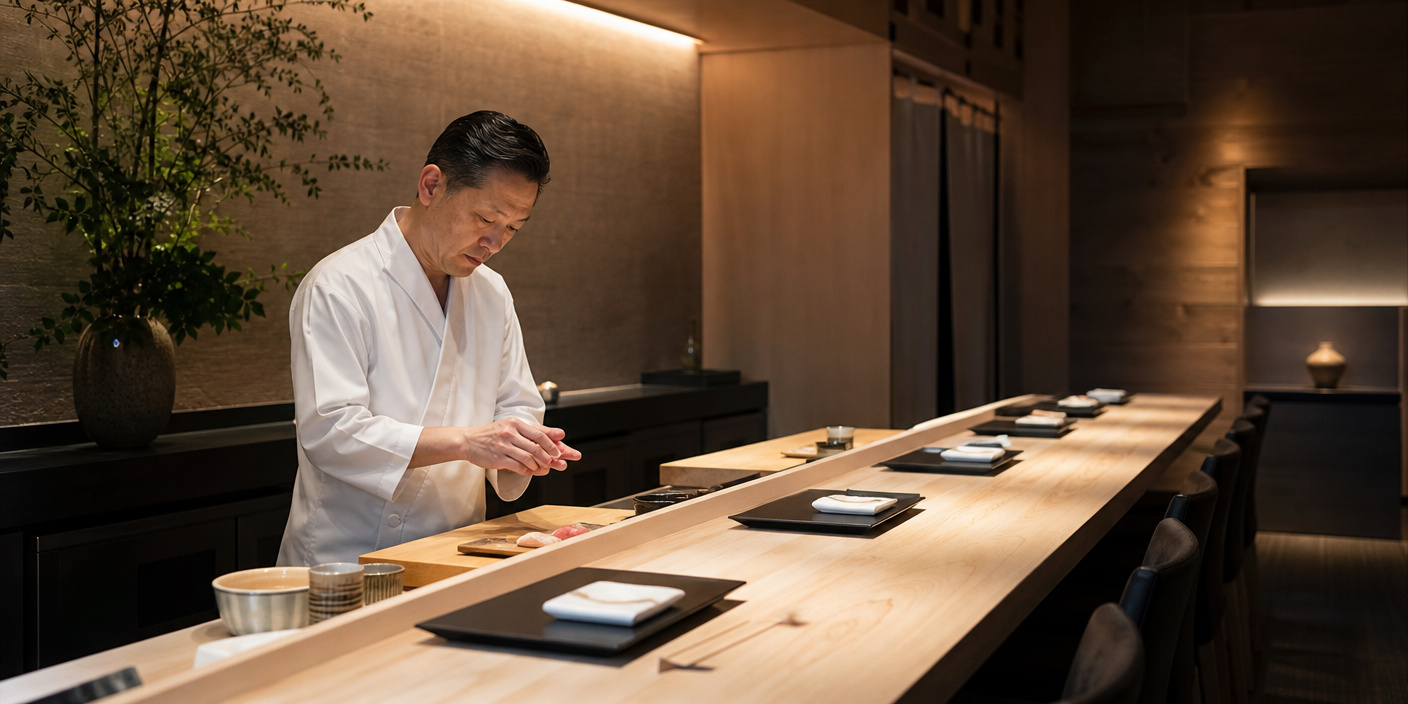
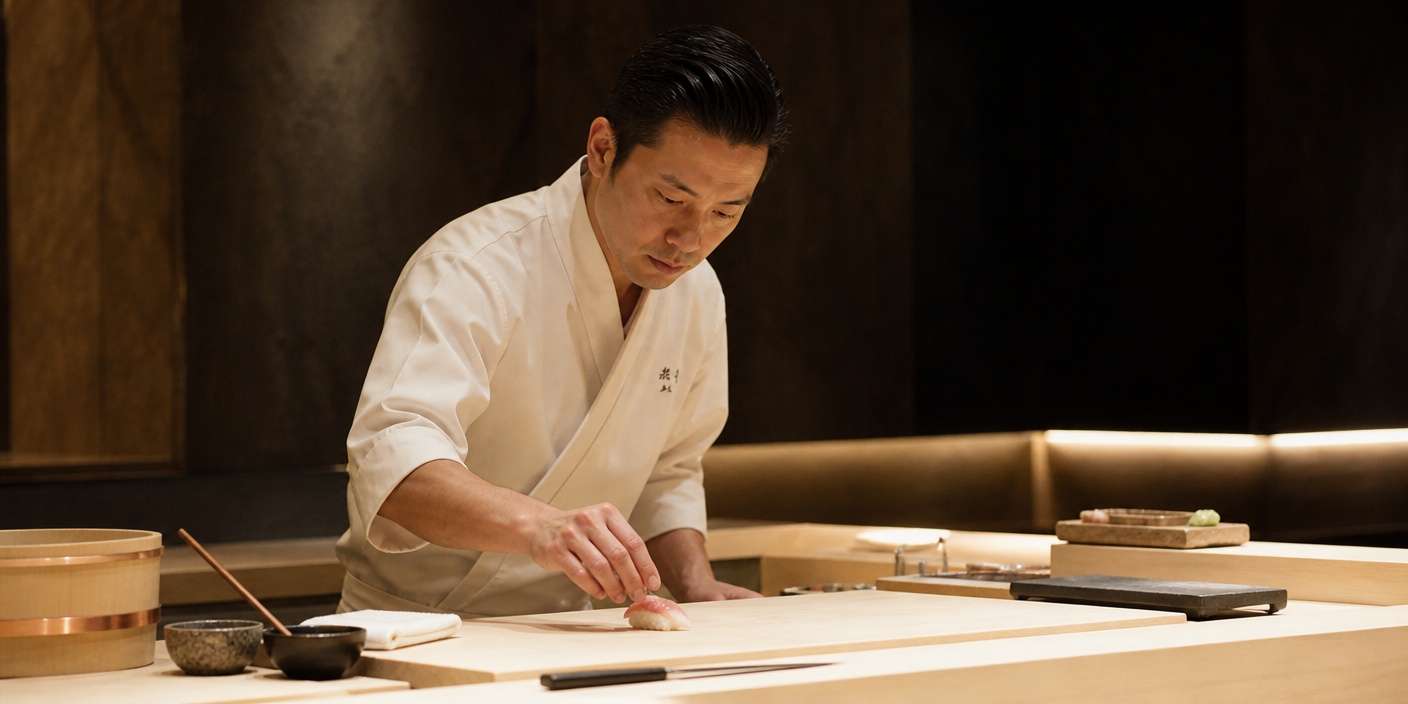
If Cloth Cornhill is about the pairing, the new 10-seater omakase spot from Endo Kazutoshi in Chelsea is about the mastery of the moment. Kazutoshi, already a titan of the London sushi scene, has pivoted to a hyper-limited capacity model for this venue. This is not just a restaurant; it is a theatrical performance. By restricting the seating to just ten guests, Kazutoshi is creating an atmosphere of pure, unfiltered engagement between the chef and the diner.
This expansion is a fascinating study in brand elasticity. Having already established his reputation with larger, more grand venues, moving into a 10-seater room in Chelsea suggests a strategic decision to trade volume for prestige and premium pricing. The menu is a relentless pursuit of ‘sushi purity,’ with sourcing chains that span from the shores of Japan to the day boats of the Cornish coast. The scarcity of seats is clearly a deliberate strategy to build anticipation and ensure that the quality control remains absolute. In an era of mass-market luxury, this level of scarcity is the ultimate luxury, and it serves as a bellwether for where the ultra-high-end segment of London dining is headed.
Da Pino: Reclaiming Stoke Newington’s Culinary Identity
In stark contrast to the high-gloss offerings of Chelsea and the City, Da Pino in Stoke Newington represents the beating heart of local, neighborhood-focused dining. As Londoners continue to spend more time in their residential boroughs, the ‘neighborhood hero’ restaurant has become a critical economic pillar. Da Pino arrives with a stripped-back Italian sensibility that eschews trendy fusion for a profound respect for ingredient integrity.
Stoke Newington has always been a hub for foodies, but Da Pino brings a level of technical rigor that was previously missing from the area’s rustic-Italian category. The kitchen focuses on hyper-seasonal pasta dishes and wood-fired preparations that change with the market’s daily availability. It is a restaurant that demands repeated visits, aiming to be a ‘third place’ for locals—somewhere between the office and the home. By rooting itself in the community, Da Pino is positioning itself against the volatility of the West End, proving that sustained success in 2026 often depends more on local loyalty than on viral social media hype.
Secondary Angles: The Future of the London Dining Scene
1. The Economic ‘Micro’ Strategy: The shift toward smaller venues is a permanent economic correction. With commercial real estate prices fluctuating and staffing shortages remaining a persistent headache for operators, the 30-to-40-seat restaurant model offers the best path to profitability without sacrificing quality. We expect to see more established chefs ‘right-sizing’ their portfolios over the next 18 months.
2. The Rise of Hyper-Localization: The supply chains of 2026 are fragile. Restaurants like Da Pino that rely on local, day-of produce are proving more resilient than those dependent on global import networks. This isn’t just an ethical choice; it’s a survival strategy. We are likely to see a ‘farm-to-table’ 2.0 movement, where the focus shifts from the ‘farm’ branding to the ‘speed of delivery’ from local producers.
3. The Decline of the ‘Experience’ Venue: The trend of restaurants with DJs, loud music, and distracting interiors is waning. The market is showing a clear preference for quieter, sound-proofed, and acoustically treated dining rooms where the conversation at the table is the main attraction. The ‘theatre’ is now found on the plate, not in the lighting rigs or the playlist.
FAQ: People Also Ask
Q: Are these restaurants difficult to book in October 2026?
A: Yes, particularly the 10-seater Endo Kazutoshi location. We recommend booking at least 3-4 weeks in advance for weekends. Cloth Cornhill is slightly more accessible for lunch, but dinner service is highly sought after by the City crowd.
Q: Which of these venues is best for a business meeting?
A: Cloth Cornhill is designed for professional interaction. Its layout and noise levels are conducive to conversation, and the wine-focused service style is ideal for hosting clients.
Q: Is the ‘micro-restaurant’ trend making dining more expensive?
A: In some cases, yes. By limiting capacity, restaurants like the new Endo Kazutoshi must increase their price-per-head to cover the overheads of high-quality ingredients and labor. However, the experience provided is significantly more bespoke than in larger venues.
Q: What should I expect at Da Pino in Stoke Newington?
A: Expect a casual, intimate setting with a focus on seasonal Italian classics. It is less formal than the City or Chelsea options, making it perfect for a weeknight dinner or a relaxed weekend meal.