
Londoners face significant travel disruption this week as the RMT union commences the first wave of eight scheduled 24-hour strikes across the London Underground network. Industrial action is confirmed for November 26 and 27, resulting from long-standing disputes regarding new working arrangements and driver conditions. With services expected to be severely curtailed or suspended entirely across multiple lines, commuters are advised to plan alternative routes well in advance.
Key Highlights
- First Wave of Action: Strikes are confirmed for November 26 and 27, marking the start of a broader campaign involving eight 24-hour stoppages.
- Core Disputes: Negotiations have stalled over critical disagreements regarding updated working arrangements and driver working conditions.
- Network Impact: Passengers should expect little to no service on many Underground lines during the strike days.
- Alternative Travel: TfL recommends increased reliance on bus networks, river boat services, cycling, and walking where possible.
Navigating the Network: Strategies for the RMT Industrial Action
The Anatomy of the Dispute
The industrial action orchestrated by the RMT (National Union of Rail, Maritime and Transport Workers) represents a deepening rift between union members and Transport for London (TfL) management. At the heart of this conflict are disputes concerning ‘new working arrangements’ and ‘driver conditions.’ These are not merely administrative disagreements; they strike at the core of how the Underground operates in a post-pandemic economic landscape. The RMT argues that proposed shifts in rosters and working conditions place an undue burden on staff, impacting work-life balance and safety protocols. Conversely, TfL maintains that modernizing working arrangements is essential for the financial sustainability of the network, which continues to face budget pressures and the need for operational efficiency. This cycle of eight strikes is a significant escalation, signaling that neither side is currently willing to budge on their foundational positions.
Impact on the Underground Network
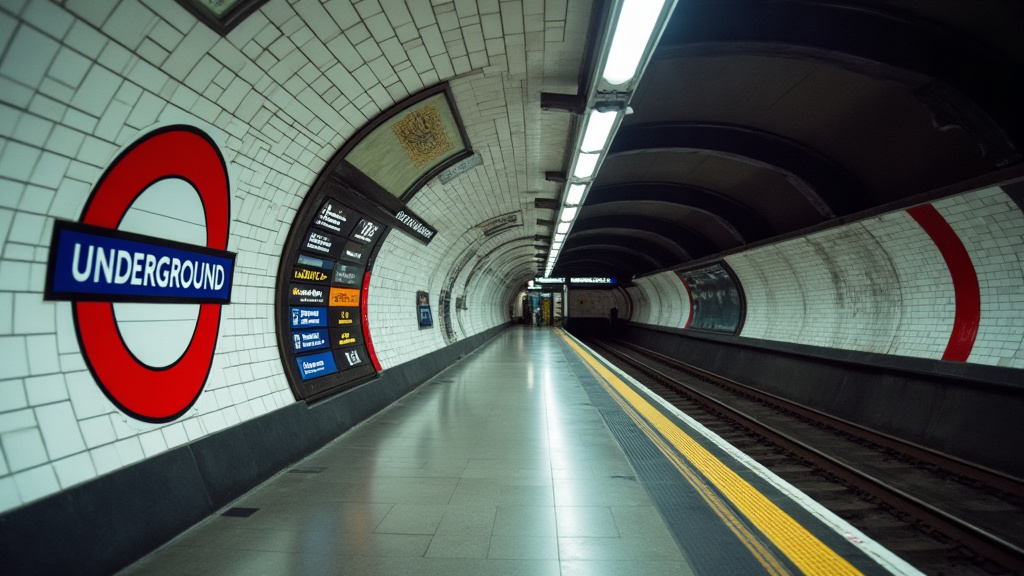
For the average commuter, the operational impact of these strikes is immediate and severe. On the designated dates of November 26 and 27, the London Underground will likely experience a near-total shutdown. Unlike minor delays or signal failures, a full-scale RMT strike effectively prevents the safe operation of trains, as stations may remain closed and tracks unstaffed. This disruption will force hundreds of thousands of commuters to seek alternative modes of transport simultaneously. The strain on London’s bus network is expected to be unprecedented, with overcrowding likely on key commuter corridors. Furthermore, those who typically rely on the Tube for cross-city travel will face significant delays, as the London Overground and Elizabeth Line may also experience increased pressure, even if they are not directly involved in the RMT strike action. Understanding the breadth of this impact is crucial for planning your transit, as the secondary effects often extend well beyond the immediate Underground service suspension.
Essential Alternative Travel Solutions
During this period of industrial action, flexibility is the commuter’s best asset. First, prioritize the TfL bus network. While buses will undoubtedly be busier than usual, they remain the most reliable method of transport across the capital during Tube closures. If your journey allows, consider utilizing London’s river bus services (Uber Boat by Thames Clippers), which offer a scenic and often faster route for those traveling along the Thames corridor. Additionally, the proliferation of cycle hire schemes, such as Santander Cycles, and the abundance of dockless e-bike providers provide an excellent alternative for short-to-medium length journeys. For those who must travel, consider shifting your working hours if your employer allows. Traveling outside of the traditional 07:30–09:30 and 17:00–18:30 rush hours can significantly reduce the difficulty of your journey. Always check the TfL website or app frequently for the latest updates, as service levels can fluctuate based on staffing availability even on non-strike days.
The Economic and Social Ripple Effects
Beyond the immediate inconvenience to travelers, these strikes exert a measurable economic impact on London. The central London economy, which relies heavily on foot traffic for retail, hospitality, and office productivity, experiences a notable dip during strike days. Small businesses, particularly cafes and convenience stores located near major Tube interchanges, often report lower revenue during these periods. Furthermore, the social cost of these strikes is significant, as they disproportionately affect those who cannot work remotely—including essential workers, retail staff, and service industry employees. This creates a broader societal friction that complicates the discourse around industrial action. The frequency of these strikes—eight in total—suggests a sustained period of volatility that may influence employer policies regarding hybrid working and office attendance well into 2027.
Future Outlook: What to Expect
Looking ahead, the remaining seven strikes pose a continuous challenge for London’s infrastructure and its inhabitants. The persistence of this industrial action suggests that the fundamental issues—driver conditions and working arrangements—are deep-seated. As these strikes progress, the pressure on TfL to resolve the impasse will intensify, likely involving intervention from the Mayor of London’s office and potentially national government mediation. Commuters should adopt a ‘preparedness mindset.’ Instead of waiting for news on the day, assume disruption will occur for all eight scheduled dates and arrange your work and social commitments accordingly. Stay tuned to official transport alerts, as the RMT and TfL may announce last-minute negotiations that could potentially postpone or cancel specific strike dates, though currently, the plan remains fixed.
FAQ: People Also Ask
Q: Are my tickets valid on other forms of transport during the strikes?
A: While your standard pay-as-you-go credit remains valid, TfL ticket acceptance policies can vary during major strikes. Always check the TfL website for specific ‘ticket acceptance’ rules on the day of the strike, as some bus or train operators may temporarily accept Tube tickets on certain routes.
Q: Will the Elizabeth Line and DLR be affected?
A: The Elizabeth Line and DLR are often operated differently from the core Underground network. However, they may still be extremely busy due to displaced passengers. Check the TfL status updates specifically for these lines, as they are often the only reliable rail alternatives available.
Q: Is there any chance these strikes will be called off?
A: Industrial action can be suspended if a resolution or a ‘pause’ is agreed upon during last-minute negotiations. However, as of now, all eight dates remain firmly scheduled. Monitor news outlets and the RMT official channels for any breaking updates regarding cancellations of specific strike days.
Q: What is the best way to get live travel updates during the strike?
A: Use the ‘TfL Go’ app, the official TfL website, or their official social media channels. Third-party apps like Citymapper are also highly effective at providing real-time data on bus crowding and alternative route planning.