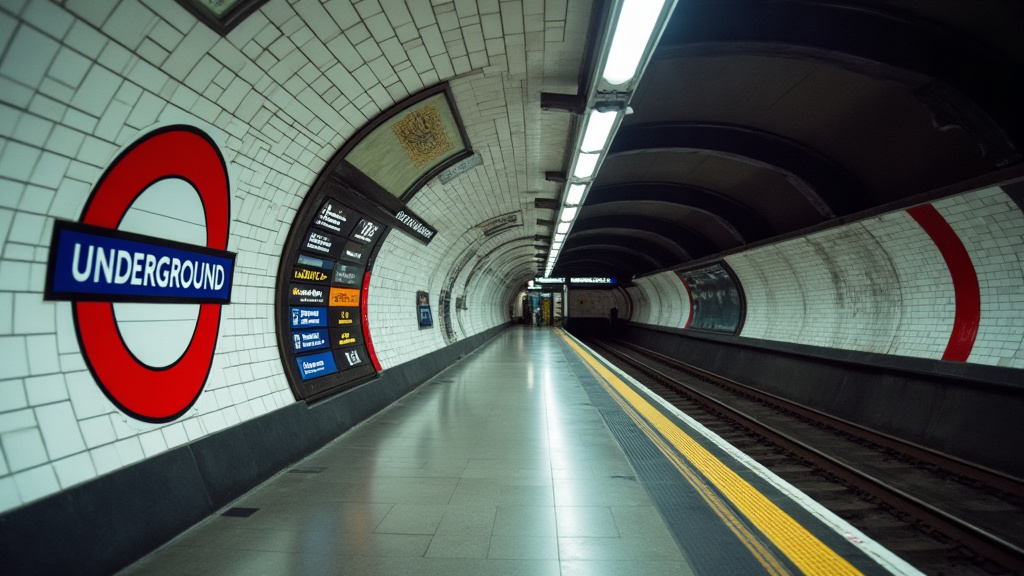
Commuters across London are bracing for significant travel disruption this weekend, November 20-21, as TSSA service control staff on the Piccadilly and District lines walk out in a dispute over working conditions and pay. The action threatens to halt services or severely reduce frequency across two of the capital’s busiest arteries, making advanced planning essential for anyone navigating the city.
Key Highlights
- The Dates: The strike action is scheduled to take place across the entire weekend of November 20-21.
- Lines Affected: Disruption is specifically concentrated on the Piccadilly and District lines, but expect cascading delays across the wider London Underground network.
- Service Control Impact: Unlike driver strikes, this action involves service control staff, meaning signaling and safe movement oversight will be limited, leading to a higher probability of total line closures rather than just reduced service.
- Travel Alternatives: Commuters are advised to prioritize London buses, the Elizabeth line, and London Overground services, which are expected to remain unaffected by this specific industrial action.
Navigating the Capital Amid Industrial Action
The announcement of industrial action by the Transport Salaried Staffs’ Association (TSSA) service control staff represents a critical stress test for London’s transport infrastructure. While Londoners are no strangers to rail strikes, the nature of this specific action—targeting the “brains” of the rail operation rather than the train operators themselves—creates a unique set of operational challenges for Transport for London (TfL).
The Anatomy of a Service Control Strike
It is vital to understand why a strike by service control staff is more impactful than standard industrial action. Service controllers are responsible for the safe and efficient movement of trains, managing signaling systems, and coordinating responses to incidents on the track. When these staff members walk out, the ability of the Underground network to manage train spacing and station safety measures is severely compromised.
Even if TfL manages to operate a skeletal service, the lack of control staff typically results in strict station capacity limits, long wait times, and a higher risk of last-minute cancellations. For the Piccadilly and District lines, this means the typical “turn-up-and-go” frequency will likely be replaced by a high-latency, unpredictable service. The District line, which traverses crucial business hubs and tourist corridors, will likely experience severe overcrowding at interchange stations such as Earl’s Court and Victoria. Meanwhile, the Piccadilly line—a primary route for Heathrow Airport travelers—faces the prospect of significant congestion as travelers attempt to funnel onto alternative rail links.
Strategic Travel Hacks and Workarounds
To mitigate the frustration of the November 20-21 disruption, commuters must shift their reliance away from the Tube and toward the surface network. TfL’s bus network is the most resilient alternative, though passengers should prepare for significantly longer journey times as buses absorb the overflow of displaced rail passengers.
1. The Elizabeth Line Advantage: Use the Elizabeth line wherever possible. It operates independently of the signaling systems affected by the TSSA strike and provides high-speed east-west transit across London, acting as a relief valve for the Piccadilly line.
2. Leverage the Overground: The London Overground network remains fully operational. For travelers moving between North and South London, utilizing orbital routes via the Overground can bypass the central zone congestion entirely.
3. Active Travel: Central London is highly walkable. For journeys spanning only a few stations, walking or cycling (via the Santander Cycles scheme) is often faster than waiting for a bus caught in strike-induced traffic.
4. Real-Time Data: Do not rely on fixed timetables. Use the TfL Go app or Citymapper, which pull real-time data from TfL’s open API to reflect actual operational status rather than scheduled intentions.
The Economic and Structural Context
Looking beyond the immediate inconvenience, this strike highlights the ongoing tensions between labor unions like the TSSA and the financial constraints imposed on TfL following the pandemic. The dispute is not merely about wages; it encompasses fundamental disagreements regarding the modernization of signaling, rostering, and the long-term sustainability of the workforce model.
Historically, these industrial actions serve as a bellwether for the health of London’s economy. When the Tube is restricted, the local retail and hospitality sectors suffer. Central London footfall relies heavily on the efficiency of the rail network; when major lines go down, discretionary spending typically contracts in tandem with commute rates. Furthermore, the persistence of these strikes creates a long-term risk of “modal shift,” where commuters permanently abandon public transport in favor of private vehicles or hybrid working arrangements, potentially undermining the long-term revenue models that TfL depends on to maintain the network.
As London faces this weekend of disruption, the event serves as a reminder of the fragility of the capital’s connectivity. While contingency plans are in place, the reliance of the city on these specific staff roles remains a profound vulnerability—one that policymakers, unions, and transport operators have yet to fully resolve.
FAQ: People Also Ask
Q: Will my ticket be valid for other modes of transport?
A: During major strikes, TfL often coordinates with bus operators to accept rail tickets, but you should check the official TfL website on the day of travel. It is generally safer to assume your Tube ticket will not cover non-TfL rail services.
Q: How will this affect travel to Heathrow Airport?
A: The Piccadilly line is a major link to Heathrow. If the line is significantly disrupted, use the Elizabeth line from central London or the Heathrow Express from Paddington station as your primary alternatives.
Q: Can I get a refund for my commute if I can’t travel?
A: If you hold a Travelcard or a season ticket and the strike prevents you from traveling, you can apply for a refund via the TfL website. Contactless and Oyster pay-as-you-go users are typically charged only for the journeys they actually take.
Q: Will buses be more crowded than usual?
A: Yes. Expect significantly higher demand on bus routes that parallel the Piccadilly and District lines. Plan for your journey to take twice as long as normal.