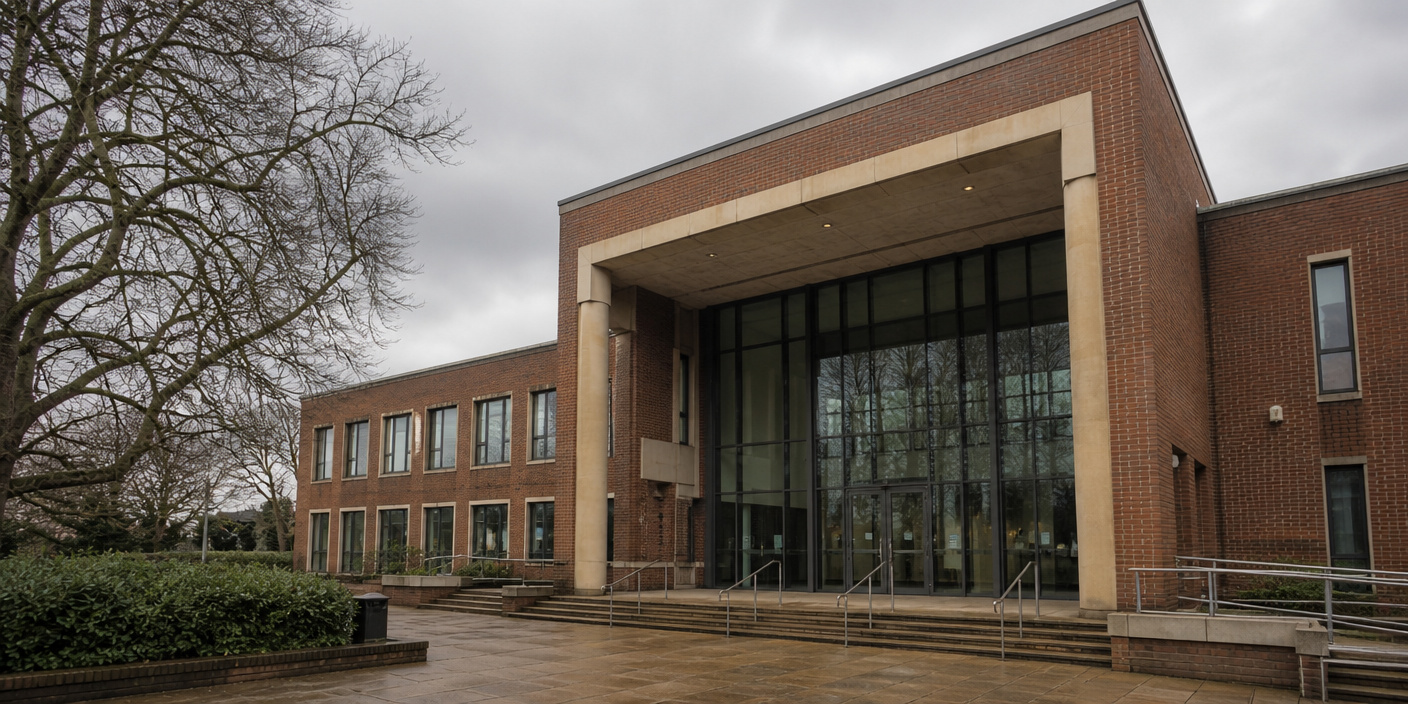
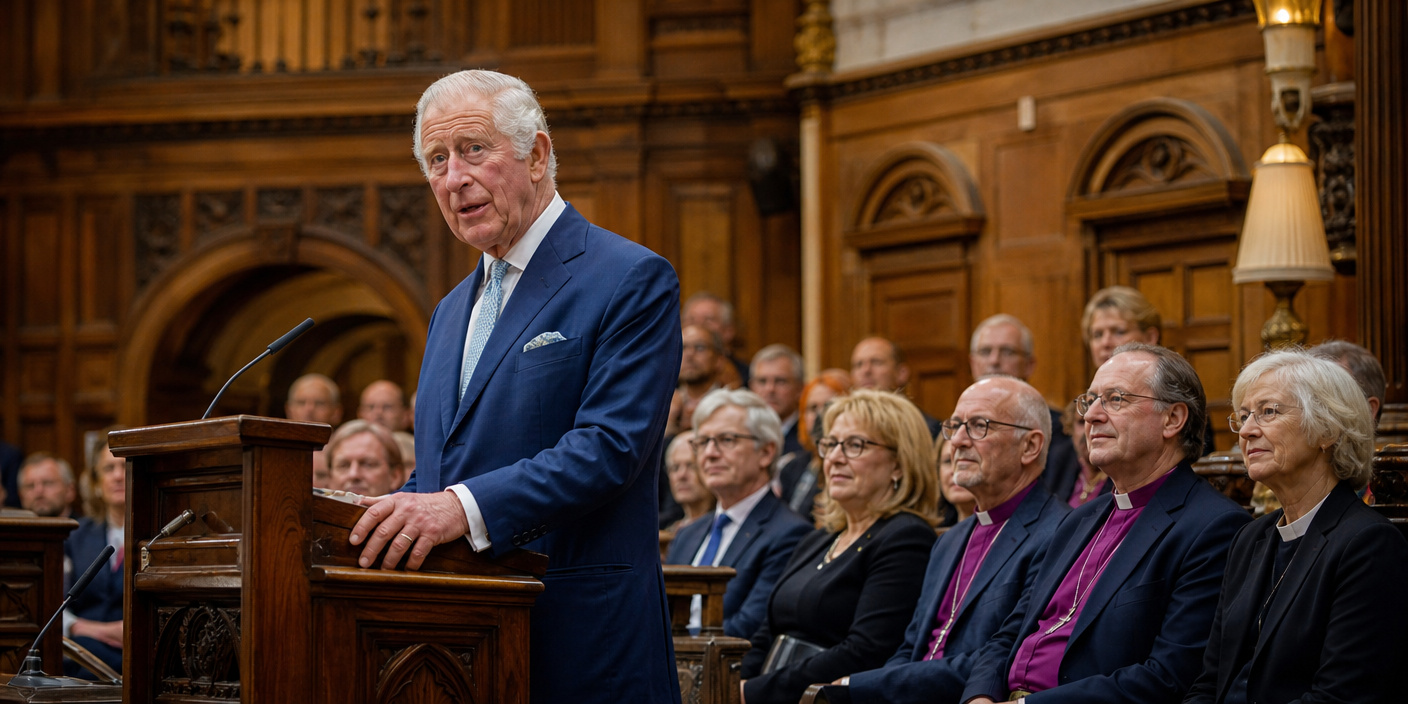
In a significant demonstration of his commitment to religious pluralism, King Charles III addressed the Twelfth General Synod of the Church of England at Church House in London, affirming the institution’s profound responsibility to protect and foster the inclusion of all faiths across the United Kingdom. This historic address serves as a cornerstone of the Monarch’s public stance on the role of the established Church in a modern, multi-faith society, reinforcing his long-standing perspective that the preservation of spiritual freedom is a prerequisite for a cohesive national identity.
Key Highlights
- Monarchical Mandate: King Charles III delivered his address at the Twelfth General Synod at Church House, Westminster, emphasizing the Church’s unique position in the UK’s social fabric.
- Inclusive Advocacy: The Monarch articulated that the Church of England has a duty to ensure environments are created where people of all faiths—and those of none—can thrive.
- Historical Continuity: The speech solidifies the King’s long-held ambition to be a “Defender of Faiths” in the pluralistic sense, rather than strictly the “Defender of the Faith” in the historic, singular sense.
- Institutional Responsibility: The address underscored the necessity of the Church acting as a guardian for the spiritual wellbeing of the entire nation, moving beyond the confines of Anglican congregants.
The Monarch’s Vision for a Diverse Britain
On February 8, 2023, the atmosphere at Church House in Westminster was marked by a distinct sense of historical weight as King Charles III took to the lectern. His address to the General Synod—the legislative assembly of the Church of England—was not merely a ceremonial duty but a clear articulation of his vision for the Church’s role in the 21st century. The King, acting in his capacity as Supreme Governor of the Church of England, posited that the institution is uniquely equipped to champion the rights and dignity of minority faith groups.
The Address at Church House
During the session, the King spoke at length about the fragility of community cohesion in the face of global uncertainty. He noted that the Church of England’s heritage, while rooted in Anglican tradition, has evolved into a broader framework that supports the tapestry of religious practice in the UK. By emphasizing “protection and inclusion,” the King signaled to the Synod that the Church is expected to be a bastion for interfaith dialogue. This message is particularly critical given the contemporary political landscape, where debates regarding secularism and religious influence often dominate the public square.
Evolution of the “Defender of the Faith” Title
For decades, observers of the Royal Family have speculated on how King Charles would adapt the traditional title “Defender of the Faith” (Fidei Defensor), a style first granted to Henry VIII by the Pope in 1521. While the title is legally and historically bound to the Anglican Church, the King has consistently suggested that his role should be interpreted more broadly. His Synod address served as a practical application of this philosophy. By explicitly calling for the protection of all faiths, the Monarch is attempting to bridge the gap between his ceremonial role as Head of the Church and his desire to represent every citizen in a diverse Britain.
The Role of the Church in Secular Society
An underlying theme of the King’s discourse was the relevance of organized religion in an increasingly secularized nation. Recent census data in the United Kingdom has highlighted a significant shift toward those identifying as having “no religion.” The King’s challenge to the Synod was to prove that the Church remains an essential, stabilizing force. He argued that the Church’s “protection” of other faiths is not a dilution of its own identity, but rather a reflection of the Christian values of charity, neighborliness, and tolerance. This approach serves as a defensive strategy against the potential alienation of the Church from the wider, diverse public.
Societal Impact and Future Predictions
The long-term impact of this address suggests a shift in the Church of England’s strategic priorities. We can expect the Synod to focus more heavily on interfaith initiatives, community integration programs, and local outreach that benefits non-Anglican communities. By aligning the Church with the King’s vision of pluralism, the institution is positioning itself as a community hub that transcends theological lines. Future observers will likely look back on this address as a pivotal moment where the British Monarchy actively reshaped the mandate of the Established Church to match the demographic realities of modern, multicultural Britain.
FAQ: People Also Ask
What is the role of the General Synod of the Church of England?
The General Synod is the national assembly of the Church of England. It debates and passes legislation concerning the Church, acting as its primary legislative body. It consists of three houses: the House of Bishops, the House of Clergy, and the House of Laity.
What did the King mean by ‘protecting all faiths’?
The King is advocating for a role where the Church of England uses its historical and institutional influence to champion the rights, freedom, and dignity of all religious groups in the UK, ensuring they have the space and security to practice their beliefs.
Does this address change the King’s title as ‘Defender of the Faith’?
No, the title remains a legal and traditional component of the Monarch’s style. However, the King is interpreting the spirit of the title to mean he is a protector of religious liberty for all, not just a protector of the Anglican Church.
How does this impact the Church of England’s status as an established church?
It does not change the legal status of the Church as the established church. Rather, it attempts to redefine how that establishment interacts with a pluralistic society, attempting to make the Church’s influence more inclusive and less exclusive.