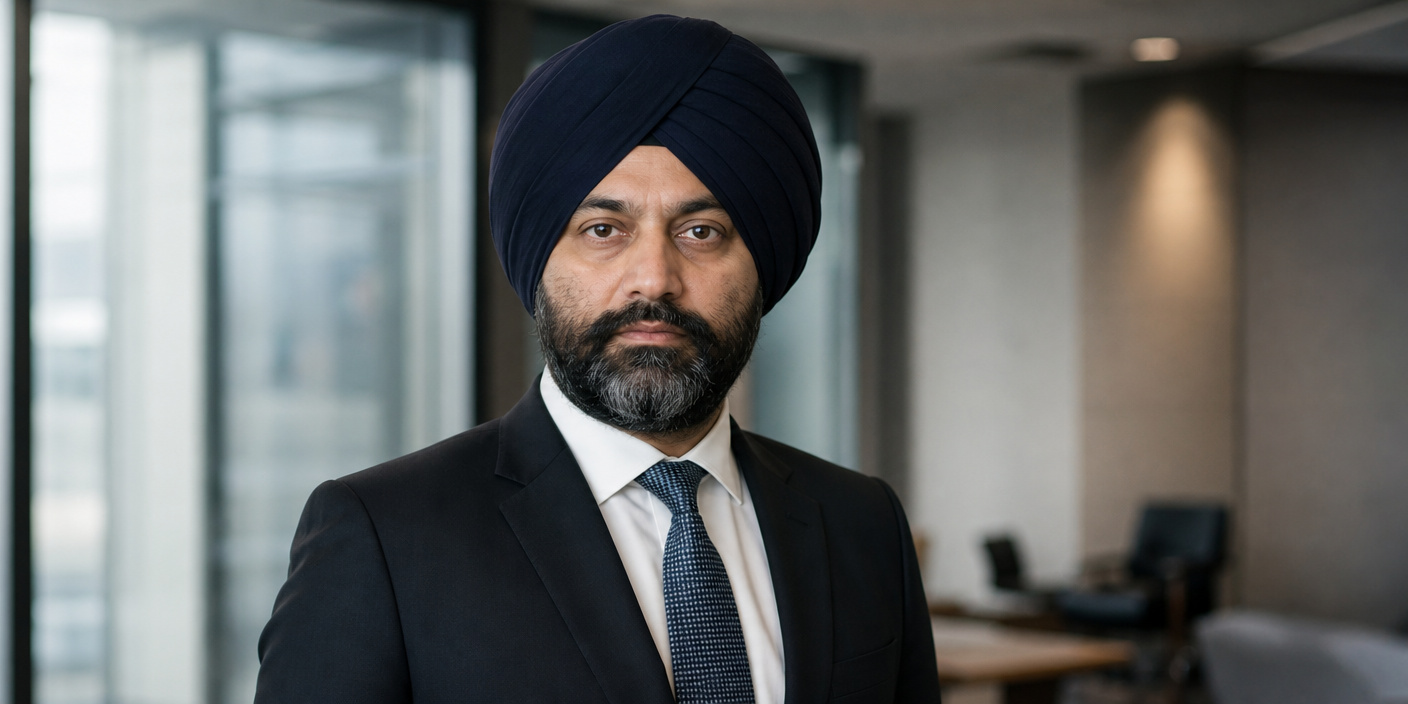

Comedian Marlon Davis, 45, has been found guilty of common assault and breaching security regulations at London Heathrow Airport, following a high-profile trial at Uxbridge Magistrates’ Court. The conviction stems from an incident at Terminal 2, where a dispute regarding a misplaced Apple Watch escalated into a physical confrontation involving a security manager. The case has drawn attention not only due to Davis’s status as a public figure but also because of the strict zero-tolerance policies governing safety and conduct within UK aviation hubs.
The Incident at Terminal 2
The events in question unfolded within the security screening area of Heathrow’s Terminal 2, one of the busiest transit points in the United Kingdom. According to evidence presented in court, what began as a routine security check devolved into a volatile confrontation. Davis, frustrated by the loss of his Apple Watch, engaged in a verbal disagreement with staff that quickly crossed the line from a customer service grievance into criminal behavior. The prosecution detailed that the comedian spat at a security manager, an act that constitutes common assault under UK law. This specific detail was a focal point of the trial, as the court weighed the intent and the impact of the action against the security personnel involved.
Legal Proceedings at Uxbridge Magistrates’ Court
The legal proceedings at Uxbridge Magistrates’ Court were focused on both the physical assault and the secondary charge of breaching airport security protocols. The defense and prosecution presented varying accounts of the tension leading up to the incident, yet the court ultimately determined that the actions taken by Davis violated the standard conduct expected in a sensitive, high-security transit environment. The verdict serves as a clear indication of the judiciary’s stance on public order offences in airports, where the threshold for aggressive behavior is significantly lower than in other public spaces. The court’s decision underscores a broader legal trend: aggressive behavior toward staff in transit hubs is met with swift, punitive measures to ensure the smooth operation of critical national infrastructure.
Airport Security and the Zero-Tolerance Era
The conviction highlights the stringent environment of UK aviation. The Civil Aviation Authority (CAA) and airport operators like Heathrow maintain an unyielding position on the safety of their workforce. Security staff operate under immense pressure, managing thousands of passengers daily while navigating complex threats. When a passenger disrupts this flow—whether through verbal abuse or physical contact—the legal ramifications are immediate. This case serves as a stark reminder that the security checkpoint is not a forum for private disputes, and the law provides little leniency for those who compromise the safety or dignity of staff members on duty. The incident at Terminal 2 is part of a growing dossier of airport disruptions that authorities are increasingly keen to prosecute to the full extent of the law.
The Psychology of ‘Travel Meltdown’
Beyond the legal facts, the Davis case invites analysis into the psychological pressures of modern travel. Airports are high-stress environments characterized by time constraints, unfamiliar processes, and the loss of personal agency. The ‘travel meltdown’—a phenomenon where passengers lose emotional regulation due to these stressors—is a well-documented issue in aviation psychology. However, as this conviction proves, psychological stress is not a valid legal defense for assault. While the loss of a valuable item like an Apple Watch is undeniably frustrating, the court’s ruling emphasizes that the burden of maintaining composure remains with the traveler. The case acts as a cautionary tale for the general public regarding the consequences of losing control in public transit spaces.
The Responsibility of the Public Figure
Finally, the involvement of a recognizable comedian like Marlon Davis brings a secondary angle regarding public accountability. Public figures are often subject to a heightened level of scrutiny, and their actions can ripple through the cultural zeitgeist. By being convicted of a violent act in a public space, the incident challenges the narrative of the ‘relatable’ performer. It forces a conversation about the private behavior of entertainers and the extent to which their professional persona protects them—or, in this case, fails to protect them—from the standard application of the law. Ultimately, the court treated Davis not as a celebrity, but as any other individual subject to the same public order and assault regulations, reinforcing the principle of equality before the law.
FAQ: People Also Ask
What are the legal consequences of ‘common assault’ in the UK?
Common assault in the UK is an offense under the Criminal Justice Act 1988. It can be prosecuted in a Magistrates’ Court and carries penalties ranging from fines and community orders to a maximum of six months in prison. In this case, the court assessed the severity of the act—spitting at a security manager—to determine the sentencing requirements.
Why are airport security incidents treated with such severity?
Airport security is governed by specific regulations designed to maintain public safety in high-risk environments. Disruptive behavior, assault, or threatening conduct is treated as a serious breach of public order because it distracts personnel from critical security tasks and threatens the safety of other passengers, often leading to immediate police intervention and prosecution.
What specifically happened during the Heathrow incident?
During a dispute regarding a lost Apple Watch in Terminal 2, Marlon Davis engaged in a confrontation with a security manager. The prosecution established that Davis spat at the employee, which led to the charge of common assault and the subsequent conviction at Uxbridge Magistrates’ Court.
Does this conviction affect international travel for the individual?
While specific sentencing details vary, a criminal record for assault can complicate international travel, potentially affecting visa applications for countries with strict entry requirements, such as the United States or Australia. Employers and public venues may also reassess their professional relationship with an individual following a criminal conviction.