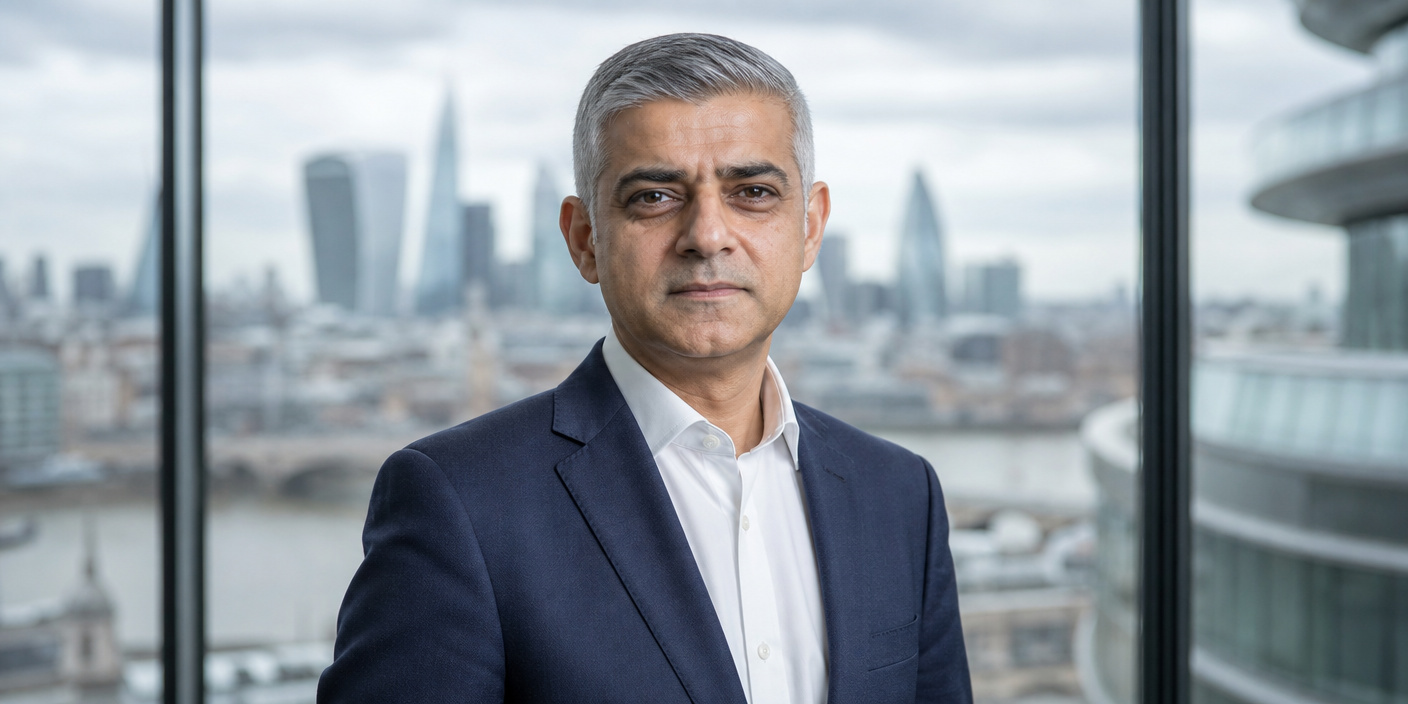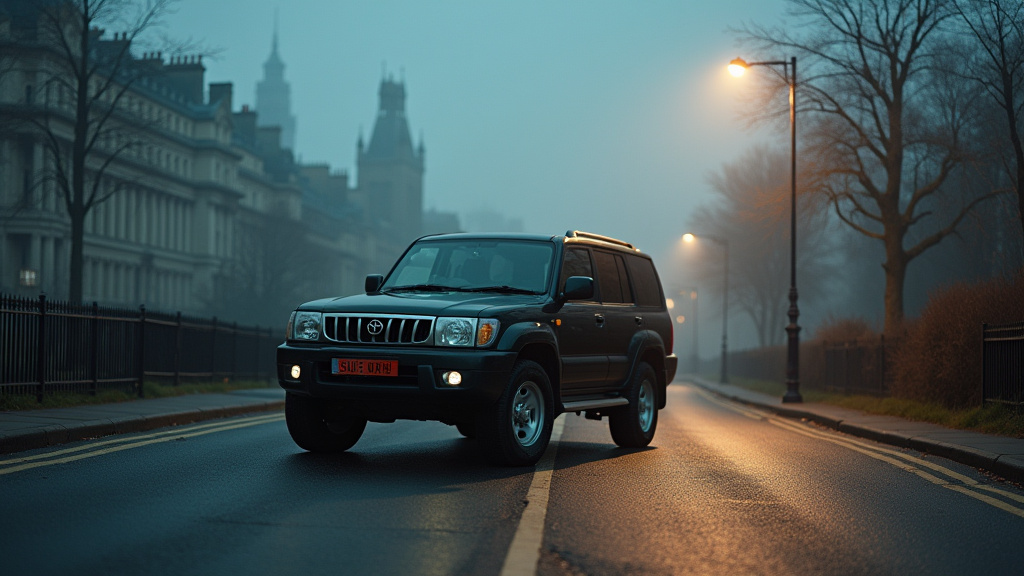
Sadiq Khan is reportedly considering relinquishing his armoured Jaguar as part of a wider initiative to curb the use of large, fuel-inefficient sport utility vehicles (SUVs) within London. This potential move signals a significant shift in the Mayor’s approach to promoting greener transport and reducing the city’s carbon footprint.
Key Highlights:
- Mayor Sadiq Khan may no longer use his armoured Jaguar.
- The move is part of a broader strategy to clamp down on SUVs in London.
- The initiative aims to reduce emissions and promote sustainable transport.
- This reflects a growing trend of cities prioritizing environmental concerns.
- Details on the specific measures and timeline are expected soon.
London’s SUV Scrutiny: A Mayor’s Car and a City’s Climate
The Mayor of London, Sadiq Khan, is reportedly contemplating a significant personal change that could have wider implications for the city’s transport policy: giving up his armoured Jaguar. This potential decision is not an isolated event but is understood to be part of a broader strategy aimed at cracking down on the proliferation and use of sport utility vehicles (SUVs) within the capital. The move underscores the growing pressure on urban centers like London to address air quality issues, reduce carbon emissions, and encourage a transition towards more sustainable modes of transportation.
The Mayor’s Vehicle: Symbol of Change
While the specifics of Khan’s current vehicle are not widely publicized, the suggestion that he might forgo an armoured car signifies a willingness to lead by example. Armoured vehicles, while necessary for security in certain contexts, are typically heavier and less fuel-efficient than standard models. By publicly distancing himself from such a vehicle, Khan could be sending a powerful message to Londoners and policymakers alike about the seriousness of the environmental challenges the city faces. The initiative appears designed to signal a more aggressive stance against what are often perceived as environmentally unfriendly vehicles.
The SUV Problem in Urban Environments
SUVs have become increasingly popular globally, offering perceived benefits such as higher driving positions, more space, and a sense of security. However, their larger size, increased weight, and often less aerodynamic design translate to higher fuel consumption and greater emissions of greenhouse gases and particulate matter. In dense urban environments like London, these factors are exacerbated. Increased road congestion, greater wear and tear on road infrastructure, and a disproportionate impact on air quality are all linked to the growing prevalence of SUVs. This clampdown aims to tackle these issues head-on.
Potential Policy Implications
If Mayor Khan proceeds with a broader clampdown on SUVs, the implications for Londoners could be far-reaching. Potential measures might include increased congestion charges or Ultra Low Emission Zone (ULEZ) fees for larger, more polluting vehicles, restrictions on where SUVs can be parked or driven, or incentives to switch to smaller, electric, or hybrid vehicles. The Mayor’s office has been under pressure from environmental groups and public health advocates to take more decisive action against vehicle emissions, and this initiative could represent a significant step in that direction. The exact nature of the ‘clampdown’ will be crucial in determining its effectiveness and public reception.
Leading by Example: The Power of Symbolism
For political leaders, symbolic actions can be as impactful as policy changes. By potentially divesting from his armoured vehicle, Sadiq Khan is not just making a personal choice but is likely aiming to amplify the message about the need for collective action on environmental issues. This could encourage public debate and support for policies that might otherwise be unpopular, such as restrictions on certain types of vehicles. The success of such a strategy will depend on clear communication and a demonstrated commitment to sustainable urban living.
FAQ: People Also Ask
What is the ULEZ in London?
The Ultra Low Emission Zone (ULEZ) in London is a charge aimed at discouraging drivers of more polluting vehicles from entering central London. Drivers of vehicles that do not meet certain emission standards must pay a daily charge to drive within the zone. The ULEZ aims to improve air quality by reducing the number of high-polluting vehicles on London’s roads.
Why are SUVs considered bad for the environment?
SUVs are generally considered less environmentally friendly than smaller cars due to their larger size and weight, which typically leads to higher fuel consumption and, consequently, greater carbon dioxide emissions. They also contribute more to air pollution through the release of nitrogen oxides and particulate matter, which have detrimental effects on public health, especially in urban areas.
Has London considered banning certain vehicles before?
Yes, London has a history of implementing measures to reduce traffic and emissions. The Congestion Charge and the Low Emission Zone (LEZ), and more recently the Ultra Low Emission Zone (ULEZ), are prominent examples of policies designed to manage traffic and improve air quality by charging or restricting more polluting vehicles.
What are the alternatives to SUVs for Londoners?
Alternatives to SUVs for Londoners include smaller, more fuel-efficient cars, hybrid vehicles, fully electric vehicles (EVs), and a greater reliance on public transport such as the Tube, buses, and trains. Cycling and walking are also encouraged for shorter journeys. The city is actively investing in expanding its public transport network and charging infrastructure for EVs.
When might Sadiq Khan give up his armoured car?
The exact timeline for Sadiq Khan potentially giving up his armoured car has not been officially announced. Reports suggest it is under consideration as part of a broader policy review. Further details are expected to emerge as the Mayor’s office outlines its strategies for tackling vehicle emissions and promoting greener transport in London.