
The UK economy is showing alarming signs of stalling, with recent data indicating a significant slowdown driven by escalating geopolitical tensions that are pushing energy prices to new heights. This economic deceleration poses a considerable threat to household budgets and business stability across the nation.
Key Highlights:
- Rising energy costs are directly impacting consumer spending and business operating expenses.
- Geopolitical instability is a primary driver behind the surge in global energy prices.
- Forecasts suggest a period of sustained economic headwinds for the United Kingdom.
- Policy responses are being urgently considered to mitigate the economic fallout.
Economic Headwinds Intensify
The Looming Energy Crisis
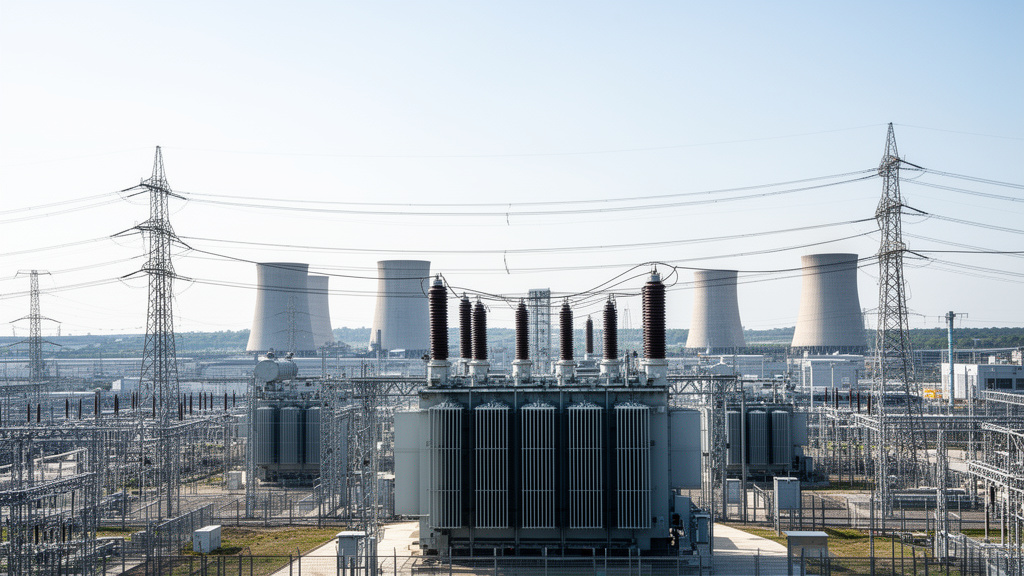
The recent surge in energy prices, largely attributed to ongoing geopolitical conflicts and supply chain disruptions, is casting a long shadow over the UK’s economic prospects. As global energy markets become increasingly volatile, businesses are facing escalating operational costs, forcing many to pass these increases onto consumers. This inflationary pressure is squeezing household incomes, leading to a noticeable reduction in discretionary spending, a key component of economic growth. The Bank of England and the government are closely monitoring the situation, aware that a prolonged period of high energy costs could tip the economy into recession. Analysts are pointing to the interdependency of global energy markets and the vulnerability of import-reliant nations like the UK to external shocks.
Geopolitical Triggers and Economic Repercussions
The intricate web of global politics is directly influencing economic stability. Tensions in Eastern Europe and other critical regions have led to supply uncertainties and a scramble for alternative energy sources. This geopolitical uncertainty translates into higher risk premiums for oil and gas, directly impacting the cost of doing business and living for individuals. The ripple effect extends beyond energy, affecting transportation costs, manufacturing, and ultimately, the price of almost all goods and services. The government’s strategy now involves diversifying energy supplies and accelerating investments in renewable energy sources to reduce future exposure to volatile international markets. However, these transitions are long-term solutions and offer little immediate relief.
Consumer Confidence and Spending Slowdown
With inflation running high, particularly in energy and food, consumer confidence has taken a significant hit. Surveys indicate a growing pessimism about the future economic outlook, prompting households to cut back on non-essential purchases. This behavioral shift is detrimental to sectors reliant on consumer spending, such as retail, hospitality, and leisure. Businesses are responding by scaling back investment plans and, in some cases, reducing staff. The fear of a potential recession is palpable, as consumers prioritize saving over spending amidst economic uncertainty. This creates a challenging environment for businesses seeking to expand or even maintain current operations.
Policy Challenges and Potential Solutions
The UK government faces a delicate balancing act. It must address the immediate cost of living crisis without exacerbating inflation or ballooning public debt. Potential policy responses include targeted energy subsidies for vulnerable households and businesses, tax adjustments, and incentives for energy efficiency and alternative energy development. However, the effectiveness and fiscal sustainability of these measures remain subjects of intense debate among economists. The challenge is to provide support without creating market distortions or discouraging long-term investment in energy security and transition.
FAQ: People Also Ask
What is causing the rise in energy prices in the UK?
The primary drivers are geopolitical tensions, particularly in Eastern Europe, which have disrupted global energy supply chains and led to increased uncertainty. This, combined with a global post-pandemic demand recovery, has driven up the cost of oil and gas.
How is the weakening economy affecting consumers?
Consumers are facing higher prices for essential goods and services, especially energy and food. This reduces their disposable income, leading to decreased spending on non-essential items and a general decline in consumer confidence.
What measures can the government take to help?
The government can implement measures such as targeted financial support for households and businesses, temporary reductions in energy taxes, and increased investment in domestic renewable energy sources to enhance long-term energy security.
Are geopolitical tensions the sole cause of the UK’s economic slowdown?
While geopolitical tensions and their impact on energy prices are a major factor, other contributing elements to the UK’s economic slowdown may include lingering effects of Brexit, global supply chain issues, and the ongoing adjustments following the COVID-19 pandemic.