London’s cultural pulse quickens this August 2026 as premier institutions unveil blockbuster retrospectives and avant-garde installations, defining the summer art landscape. For art aficionados and casual observers alike, the city transforms into an open-air gallery, offering a complex mix of historical reverence and experimental modernity that dictates the global artistic conversation.
Key Highlights
- Royal Academy Summer Exhibition: The 258th iteration of the world’s oldest open-submission exhibition showcases over 1,500 works.
- The Serpentine Pavilion: A new architectural commission in Kensington Gardens challenging the intersection of urban space and nature.
- Tate Modern’s Summer Retrospective: A deep dive into mid-century abstraction, featuring major loans from international collections.
- V&A Design Showcase: An exploration of sustainable materials in 21st-century manufacturing.
The Summer Cultural Forecast: Navigating London’s 2026 Art Scene
As August reaches its zenith in London, the city’s artistic calendar is dictated by a unique blend of heritage and disruption. The 2026 season is characterized by a concerted shift toward immersive experiences, moving beyond the traditional static gaze to invite viewer participation. Institutional curators have curated a roadmap that balances the commercial blockbuster with intellectual rigor, ensuring that London maintains its position as the primary European hub for contemporary discourse.
The Institutional Powerhouses: A Tradition Reimagined
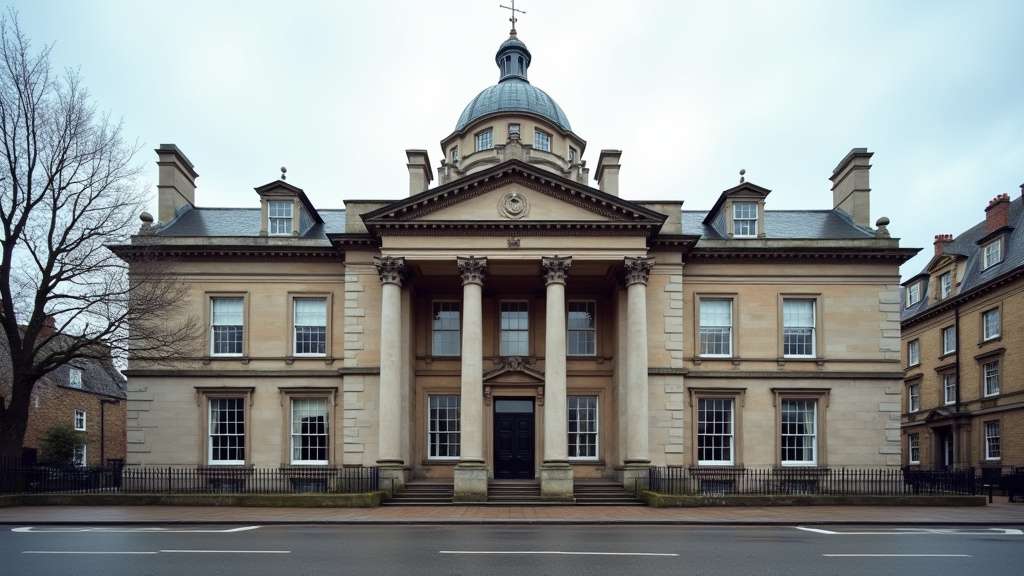
The cornerstone of August remains the Royal Academy of Arts Summer Exhibition. Now in its 258th year, the exhibition remains the most significant open-submission platform globally. By late August, the RA’s galleries are packed with a democratic variety of works—ranging from Royal Academicians to first-time exhibitors. The 2026 curation places a specific emphasis on the dialogue between classical techniques and digital generation, exploring how AI-assisted drafting is changing the landscape of fine art.
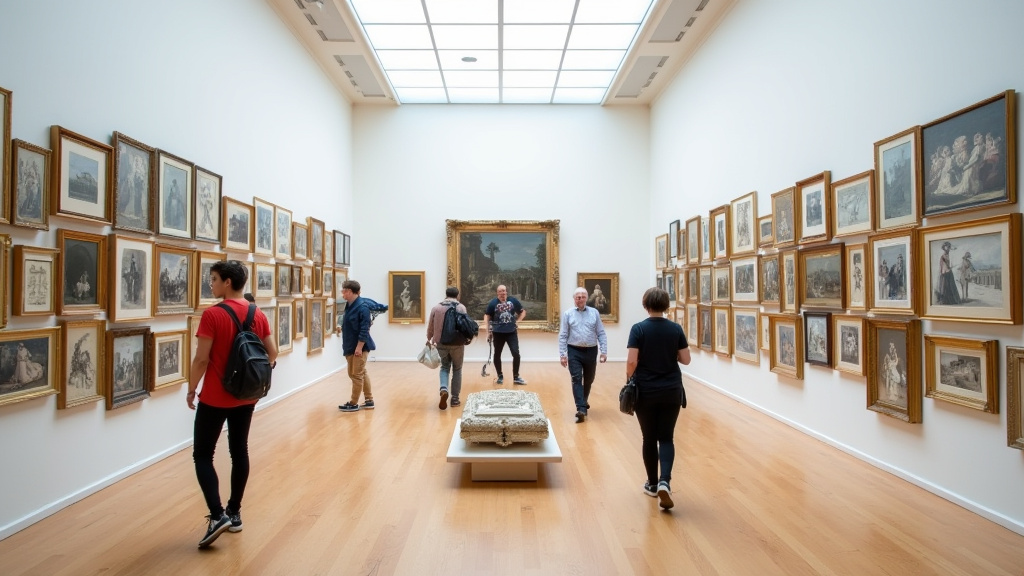
Parallel to this, the Tate Modern continues its dominance with a major summer retrospective. This year, the focus turns to the ‘Migration of Form,’ a sprawling exhibition mapping the movement of mid-century abstract artists across post-war Europe and North America. With over 200 works on display, the Tate has secured unprecedented loans from the Museum of Modern Art in New York and the Centre Pompidou, creating a cohesive narrative that examines the geopolitical realities shaping artistic output in the 1950s.
Architectural Interventions and Public Spaces
Outside the gallery walls, the Serpentine Pavilion in Kensington Gardens serves as the city’s architectural anchor. The 2026 commission, designed by a cross-disciplinary team of architects and climate scientists, utilizes reclaimed materials to form a structure that regulates its own microclimate. This installation is not merely a venue; it is a statement on the role of art institutions in addressing the climate crisis. Visitors are invited to interact with the structure, which changes translucency based on ambient humidity and sunlight, effectively making the building a ‘living’ work of art.
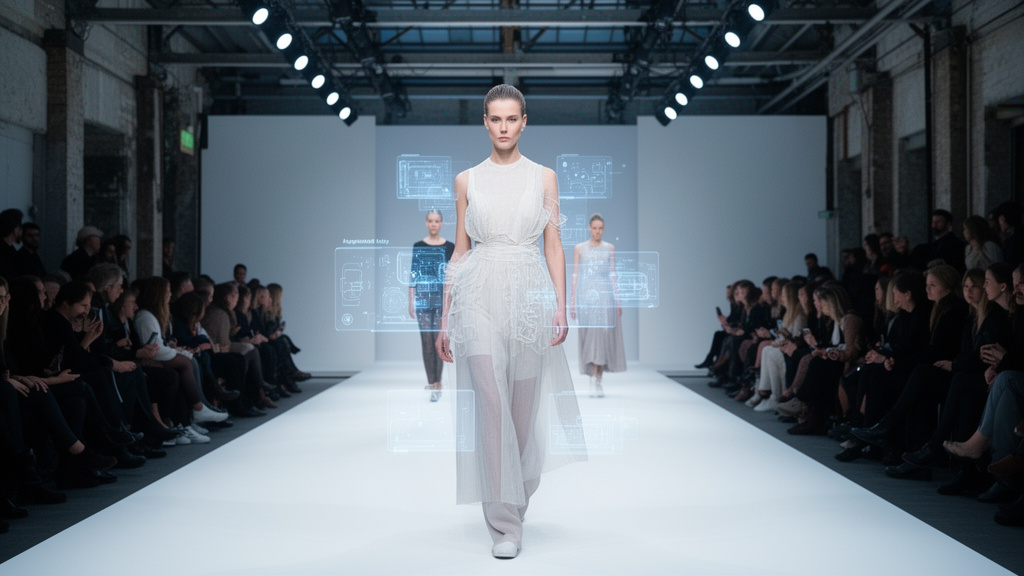
Meanwhile, the Victoria and Albert Museum (V&A) has dedicated its August programming to ‘Future Fabrics,’ a design showcase examining the intersection of biotechnology and high fashion. By highlighting the work of emerging textile engineers, the V&A bridges the gap between science and aesthetics, offering a glimpse into a sustainable future for the fashion industry. This exhibition serves as a critical junction for industry professionals and design students, solidifying the museum’s status as a leader in technical innovation.
Secondary Perspectives: The Economic and Digital Shift
Beyond the aesthetic experience, August 2026 is seeing an unprecedented economic impact on London’s creative sector. Preliminary reports from the Arts Council England suggest that cultural tourism is expected to generate an additional £450 million for the capital this summer, driven largely by the high-profile nature of these exhibitions. This revenue influx is critical for sustaining the smaller, independent galleries that often struggle during the quieter months, creating a symbiotic ecosystem where the ‘blockbuster’ shows support the grassroots scene.
Furthermore, there is an increasing reliance on digital preservation and AI integration. Almost every major exhibition this year has incorporated a secondary layer of digital access—whether through Augmented Reality (AR) tours that provide historical context for specific pieces or NFT-authenticated digital catalogs. This trend toward ‘phygital’ (physical and digital) art experiences is changing how audiences engage with history. The National Gallery, for instance, has introduced a pilot program using haptic feedback kiosks to allow visually impaired guests to ‘feel’ the texture of brushstrokes on Renaissance masterpieces, marking a significant step forward in accessibility.
As we move through August, the London art scene is proving that it is not merely a passive recipient of global trends but an active generator of them. From the democratic walls of the Royal Academy to the scientifically engineered spaces of the Serpentine, the city offers a roadmap for the future of curation—a future that is inherently global, increasingly technological, and deeply responsive to the changing environment of the 21st century.
FAQ: People Also Ask
Q: Are these exhibitions suitable for children?
A: Yes, most major institutions like the Tate and V&A offer dedicated family-friendly audio tours and interactive workshops during the summer holidays, specifically designed to engage younger audiences without diluting the educational value.
Q: Do I need to book tickets in advance for the 2026 season?
A: While some galleries allow walk-ins, it is highly recommended to book timed entry slots at least 48 hours in advance, especially for the Royal Academy and major retrospective exhibits, to guarantee access and avoid peak wait times.
Q: Is photography allowed in these galleries?
A: Photography policies vary; generally, non-flash photography is permitted in permanent collections, but strict ‘no photography’ rules apply to specific temporary loans due to copyright and preservation restrictions. Always check signage or the website before entering.
Q: What is the best way to travel between these major London galleries?
A: The most efficient way to navigate the art route is via the London Underground, specifically the Piccadilly and District lines which serve the South Kensington museum cluster, or the River Bus (Uber Boat) for easy transit between the Tate Modern (Bankside) and the Tate Britain (Millbank).