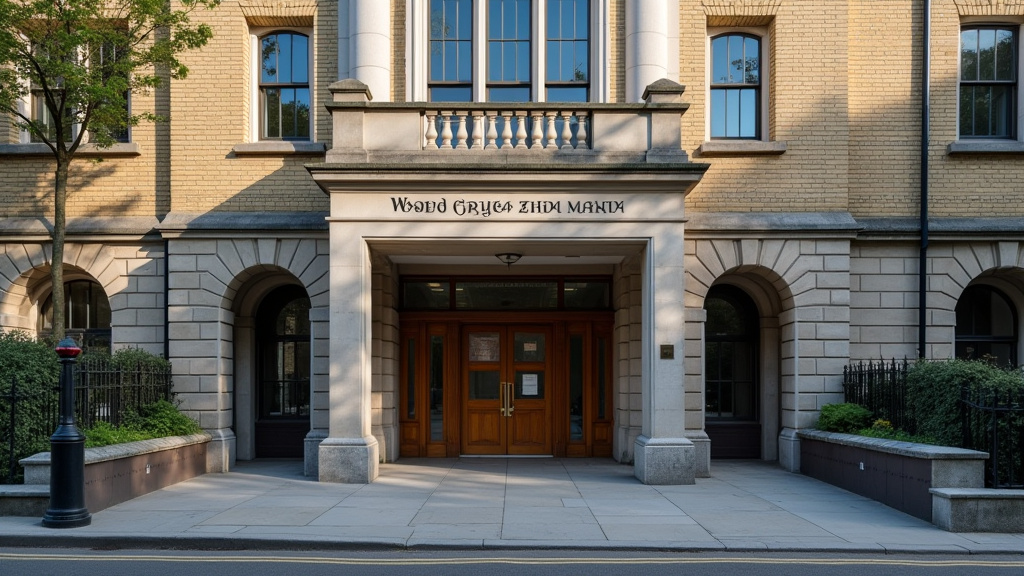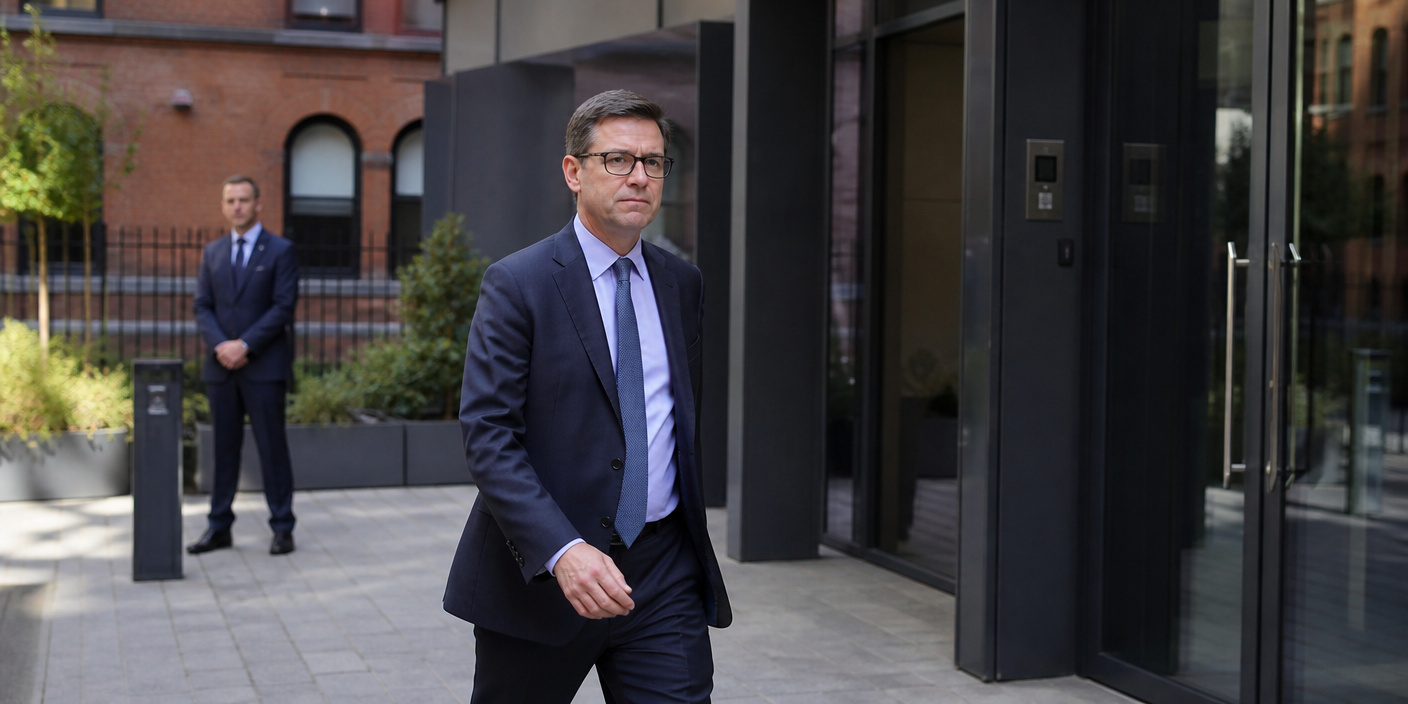
Prime Minister Andy Burnham has officially inaugurated “No. 10 North,” a revolutionary satellite office based in the heart of Manchester, signaling a definitive shift in the United Kingdom’s centralized governing model. The bold initiative aims to break the traditional monopoly of Whitehall, with the Prime Minister committing to conducting executive duties from this new regional base one day every week. By planting a flag in the North, the administration seeks to bridge the historic economic and political divide that has long characterized the relationship between London and the country’s northern regions, promising a new era of localized governance.
Key Highlights
- Weekly Executive Presence: Prime Minister Andy Burnham has committed to working from the No. 10 North office every week, ensuring a consistent high-level presence outside the capital.
- Decentralization Strategy: The move aims to strip back the hyper-centralized nature of British politics, moving key administrative functions closer to the communities they serve.
- Economic Regionalization: The office is designed as a catalyst for regional growth, encouraging direct engagement with Northern business leaders, local mayors, and regional stakeholders.
- Infrastructure Integration: The government plans to utilize secure, high-speed digital infrastructure to ensure that Cabinet-level decisions can be made seamlessly between Manchester and Downing Street.
The Executive Pivot: Reshaping the Seat of Power
The establishment of No. 10 North is not merely a symbolic gesture of regional inclusion; it represents a fundamental logistical reconfiguration of how the United Kingdom is governed. For centuries, the machinery of the British state has been concentrated in Westminster. The decision by Prime Minister Burnham to institutionalize a weekly presence in Manchester challenges the “London-first” orthodoxy that has dominated modern governance. By creating this satellite hub, the administration is effectively testing the efficacy of a dual-seat government, a model that proponents argue will lead to more nuanced policy-making and a better understanding of regional realities.
Infrastructure and the Mechanics of Governance
Operating an executive office outside of Downing Street requires significant logistical support. Government officials have confirmed that the new facility, located in a repurposed historic district in Manchester, has been retrofitted with the highest levels of secure telecommunications and secure digital encryption. This infrastructure is critical for the maintenance of continuity of government, allowing the Prime Minister to chair meetings with Cabinet ministers regardless of whether they are physically located in Manchester or London. The digital “bridge” between these two hubs is designed to ensure that the speed of decision-making remains uncompromised, even while the physical center of gravity shifts.
Economic Implications: Beyond the ‘Northern Powerhouse’
The rhetoric surrounding No. 10 North heavily leans into the promise of regional growth. Critics of previous efforts to boost northern economies often pointed to a lack of direct engagement from the central executive branch. By moving the Prime Minister’s office, the administration hopes to demonstrate that the North is a central priority rather than an afterthought. Economic analysts suggest that having a high-level executive presence could accelerate local infrastructure projects, attract private investment, and ensure that regional voices are heard in the immediate drafting of national economic policies. The goal is to stimulate a self-sustaining regional ecosystem that thrives on proximity to decision-makers, reducing the need for constant lobbying trips to the capital.
The Bureaucratic Diaspora
One of the most significant, yet quieter, aspects of this initiative is the potential for a bureaucratic diaspora. While the Prime Minister’s weekly presence is the headline, there are clear indications that this will encourage a broader relocation of civil service functions. By normalizing work outside of London, the government hopes to attract a more diverse talent pool that may have previously been deterred by the high cost of living in the capital. This migration of talent is intended to infuse the civil service with regional perspectives, potentially leading to more empathetic and effective policy implementation.
Challenges to the New Status Quo
Despite the optimism, the transition is not without its skeptics. Institutional inertia in the UK is powerful, and the centralization of power in London has deep historical roots. There are valid concerns regarding the additional costs associated with maintaining a secondary, high-security executive office, as well as the potential for communication silos to develop between the two sites. Furthermore, critics will be watching closely to see if this initiative persists past the initial fanfare, or if it eventually wanes as the pressures of governing from the capital reassert themselves. The success of No. 10 North will depend entirely on the consistency of the Prime Minister’s attendance and the willingness of the civil service to adapt to this new, decentralized reality.
FAQ: People Also Ask
Q: What is the primary purpose of ‘No. 10 North’?
A: The primary purpose is to decentralize executive power from London and bring the Prime Minister’s office closer to regional stakeholders, fostering economic growth and better regional representation in national policy.
Q: How often will the Prime Minister be in Manchester?
A: Under the current mandate, Prime Minister Andy Burnham has committed to operating from the No. 10 North base one full day per week.
Q: Is this a permanent move for the entire government?
A: No. The Downing Street office remains the primary seat of government. No. 10 North functions as an official satellite executive base, not a complete replacement of the capital’s administrative functions.
Q: How will security be handled at the Manchester location?
A: The government has confirmed that the Manchester site has been retrofitted with secure infrastructure, encrypted communication channels, and physical security measures equivalent to those currently in place at 10 Downing Street.