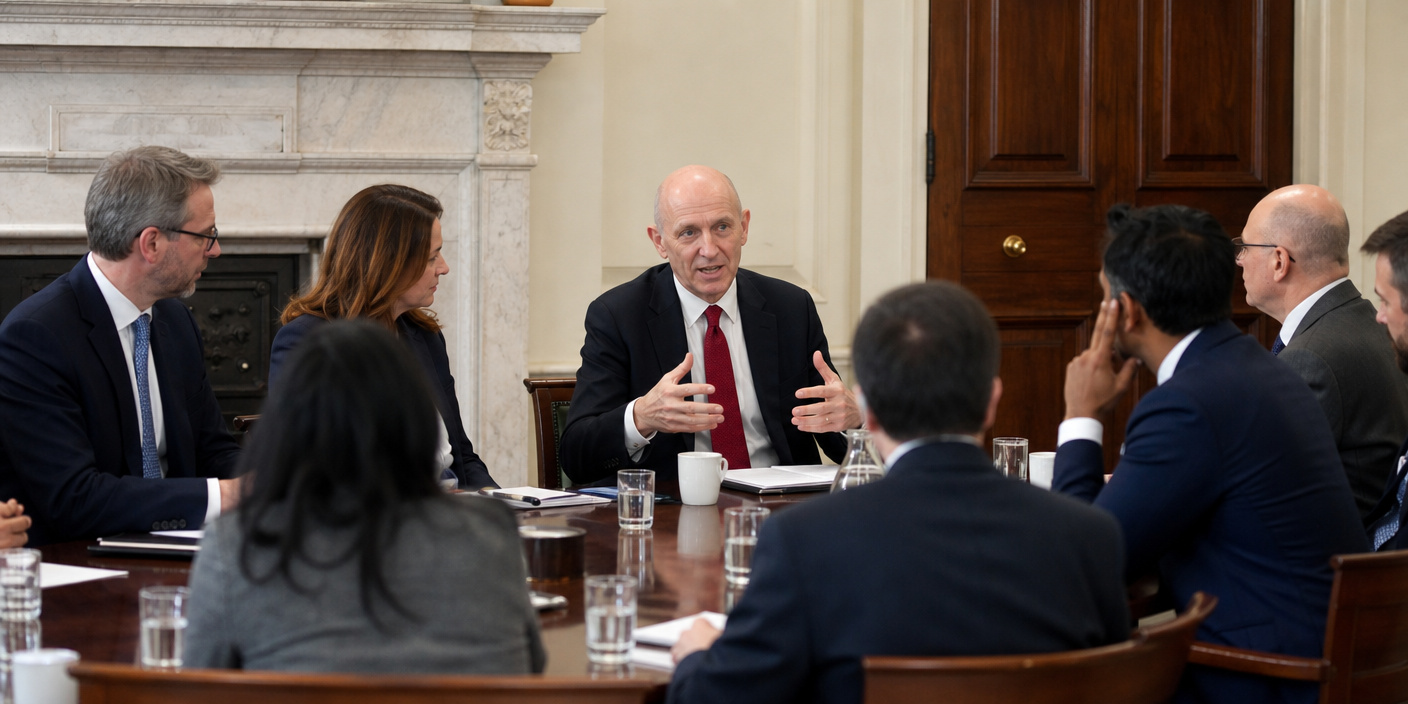
A fresh Ipsos poll of 1,200 senior business leaders paints a stark picture of the UK’s economic climate ahead of the Autumn Budget 2026, revealing a deeply polarized sentiment toward Prime Minister Andy Burnham. As the administration prepares to unveil its fiscal strategy, the data highlights a precarious balance of power, with exactly 31% of the business community expressing confidence in the Prime Minister’s performance, while an equal 31% explicitly disagree, leaving the remainder in a state of cautious uncertainty. This split underscores the immense pressure facing Downing Street to deliver a budget that satisfies competing interests while navigating the complex headwinds of the global economy.
Key Highlights
- The Leadership Split: A 31% approval versus 31% disapproval rating suggests that Prime Minister Andy Burnham has yet to secure a mandate from the UK’s top executives.
- Energy Crisis Persistence: With 29% of leaders citing energy cost relief as their top priority, volatility in the energy markets remains a critical threat to operational profitability.
- The Tax Mandate: 27% of businesses are laser-focused on tax reduction, viewing it as the primary lever for stimulating domestic investment and growth.
- Policy Implication: The upcoming Autumn Budget is viewed as a ‘make or break’ moment for the Burnham administration’s relationship with the private sector.
The Strategic Crossroads of the 2026 Budget
The findings from the latest Ipsos survey serve as a bellwether for the broader economic sentiment characterizing the mid-2020s. For Prime Minister Andy Burnham, these numbers are more than just polling data; they are a direct roadmap of the frustrations and aspirations currently simmering in boardrooms across the nation. The equal split in approval ratings—a rare occurrence in political polling—indicates that the administration’s messaging has succeeded in reaching one half of the business base while alienating an equal portion. The core challenge for the Treasury in the coming weeks will be crafting a narrative that bridges this gap, moving beyond the zero-sum nature of current sentiment to provide a cohesive plan that supports both large-scale industry and the SME sector.
The Energy Imperative
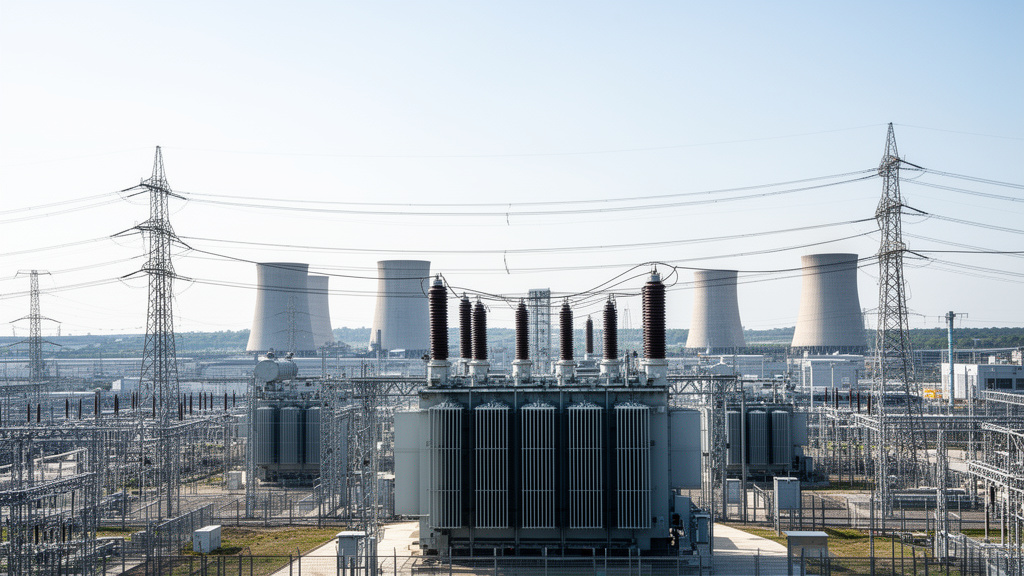
The fact that 29% of business leaders identify energy cost relief as their primary demand is telling. In 2026, the global energy transition remains a double-edged sword: while decarbonization is a long-term goal, the immediate reality for UK businesses is that energy price volatility continues to erode margins. For energy-intensive industries—ranging from manufacturing and steel production to logistics—the energy bill is often the single largest variable expense. Businesses are not just asking for subsidies; they are looking for long-term structural reforms to the grid and a stabilization of supply contracts that can shield them from the geopolitical shocks that have defined the past few years. The government’s ability to signal a stable, lower-cost energy future will be the deciding factor for many in the “undecided” camp of business leaders.
The Taxation Tussle
Parallel to the energy concerns is the call for tax reduction, cited by 27% of leaders. The debate over fiscal policy in 2026 has become increasingly centered on whether the current tax burden is stifling innovation or whether it is necessary for maintaining public services. Businesses arguing for tax relief are primarily looking at the corporate tax rate and capital allowance structures. They contend that in a competitive global market, the UK’s tax regime must be an incentive for capital investment rather than a hurdle. If the Autumn Budget does not address these concerns, there is a high risk of capital flight or a significant reduction in domestic expansion projects as businesses look toward more tax-friendly jurisdictions.
Navigating the Economic Headwinds
Beyond the specific numbers, this poll reflects a wider anxiety about the UK’s economic trajectory. The uncertainty regarding inflation and interest rates, which have plagued the economy for consecutive quarters, has created an environment where long-term planning is exceptionally difficult. When executives look at the upcoming budget, they are looking for predictability. A “steady as she goes” budget may not be enough to move the needle on the 31% disapproval rating. Instead, many observers argue that the administration needs to present a bold, growth-oriented strategy that provides clear benchmarks for success. The interplay between energy costs and tax policy is essentially an attempt to manage the ‘cost of doing business.’ If these two pillars are not shored up, the Prime Minister risks losing the support of the remaining floating voters in the business community, which could have knock-on effects for national productivity.
The Investor Outlook and Future Predictions
Looking past the Autumn Budget, the secondary angle to consider is the effect on Foreign Direct Investment (FDI). International investors monitor the sentiment of domestic business leaders as a barometer for the UK’s stability. If local firms are expressing dissatisfaction, global capital is likely to remain on the sidelines. The challenge for Burnham is not just to placate the domestic market, but to signal to the international community that the UK remains an open, efficient, and cost-effective place to conduct business. Analysts predict that if the budget focuses on targeted reliefs rather than broad-brush tax cuts, it could provide a more surgical approach to stimulating growth, but it may struggle to satisfy the 27% of leaders who view tax reduction as a structural necessity rather than a cyclical adjustment. Ultimately, the autumn months will be a period of intense lobbying, as trade groups and sector leads attempt to influence the final legislative drafting before the budget is unveiled in Parliament.
FAQ: People Also Ask
Q: What is the significance of the 31% approval rating for PM Andy Burnham?
A: The 31% approval, matched by a 31% disapproval, indicates a complete deadlock in business confidence. It shows that the Prime Minister has yet to unify the business community under a single vision, necessitating a shift in his upcoming economic policy.
Q: Why are businesses prioritizing energy costs over other issues?
A: For 29% of leaders, energy costs represent the most immediate threat to operational sustainability. Ongoing volatility impacts profitability, supply chain costs, and the ability to project long-term capital expenditure, making it the top economic concern.
Q: Is tax reduction a realistic demand for the 2026 Budget?
A: While businesses cite it as a top demand (27%), the government faces a delicate balancing act. While tax cuts could stimulate growth, the administration must weigh this against the need for public service funding and fiscal prudence in a high-interest rate environment.
Q: What are the primary entities influencing the 2026 fiscal policy?
A: HM Treasury, the Office for Budget Responsibility (OBR), various energy trade associations, and lobby groups representing the manufacturing and retail sectors are the key entities shaping the discourse surrounding the upcoming budget.