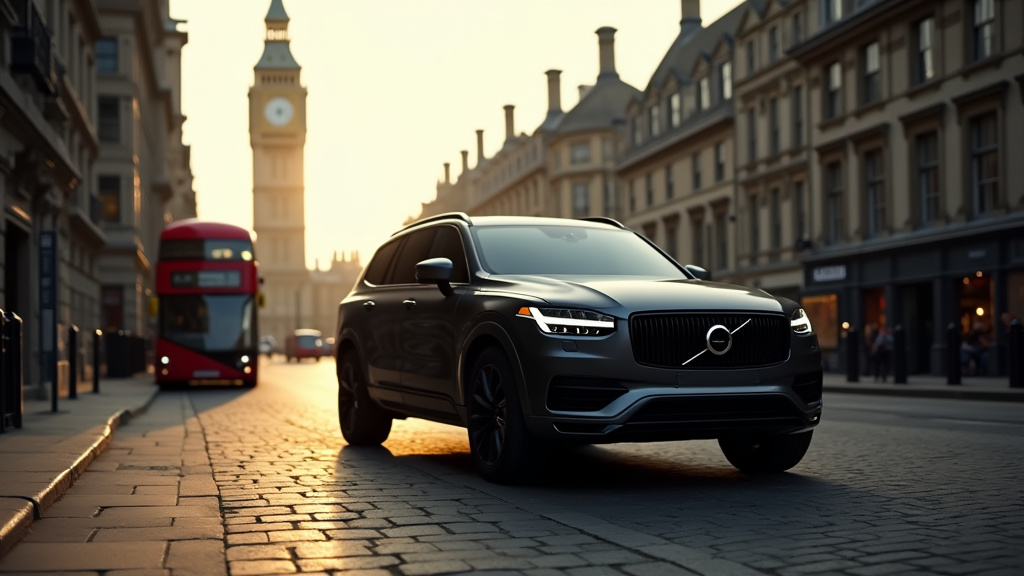
London Mayor Sadiq Khan is reportedly considering a significant shift in his stance on vehicle usage, potentially including ditching his own armoured car as part of a broader crackdown on gas-guzzling SUVs. This move aligns with his administration’s ongoing efforts to improve air quality and promote sustainable transport within the capital. The potential policy change signals a tougher approach to private vehicle use, particularly targeting larger, less environmentally friendly models, and could impact how public officials themselves travel.
Key Highlights:
- Mayor Sadiq Khan may abandon his armored car.
- Potential crackdown on the use of SUVs in London.
- Efforts are part of a wider initiative to improve air quality.
- The move signals a stricter policy on high-emission vehicles.
London’s SUV Scrutiny: A New Era for Urban Mobility
The Mayor of London, Sadiq Khan, is reportedly contemplating a personal and policy shift that could see him forgo his armored vehicle as part of a wider strategy to curb the use of sport utility vehicles (SUVs) in the city. This potential development is not just symbolic; it underscores a serious commitment by Khan’s administration to tackle London’s persistent air quality issues and to accelerate the transition towards greener transportation options. The discussions suggest that the Mayor’s office is prepared to implement more stringent measures against vehicles widely considered to be high polluters and contributors to traffic congestion.
The Rationale Behind the Potential SUV Crackdown
London has been at the forefront of environmental initiatives, with the Ultra Low Emission Zone (ULEZ) being a prime example of its commitment. However, the rise in the popularity of SUVs, which are often larger, heavier, and less fuel-efficient than traditional cars, presents a new challenge. These vehicles contribute disproportionately to air pollution, including nitrogen oxides (NOx) and particulate matter, which have severe public health consequences. Furthermore, their size can exacerbate traffic congestion and parking difficulties in a densely populated city. Khan’s reported willingness to lead by example, by reconsidering the need for an armored vehicle – a symbol of security and, by extension, potentially of status and resource consumption – could serve as a powerful message.
Broader Implications for Londoners and Policy
While the specifics of any potential SUV crackdown are yet to be detailed, the underlying principle is clear: to discourage the use of larger, more polluting vehicles. This could manifest in various forms, such as expanded low-emission zones, increased charges for higher-emission vehicles, or even restrictions on where and when certain types of vehicles can be used. Such policies often face public debate, balancing environmental goals with concerns about personal freedom, cost of living, and the practicalities of urban life. The Mayor’s office will likely need to navigate these complexities, potentially offering incentives for cleaner alternatives or ensuring that essential services and vulnerable populations are not unduly burdened.
Leading by Example: The Symbolic Power of Official Vehicles
The potential decision by Sadiq Khan to potentially give up his armored car carries significant symbolic weight. Official vehicles, especially those equipped for security, can be perceived as being outside the normal constraints faced by the general public. By signaling a willingness to adopt a more modest and environmentally conscious approach, Khan could bolster public support for stricter environmental regulations. It demonstrates that even those in positions of power are subject to the same pressures and expectations to contribute to a cleaner city. This aligns with a growing global trend where political leaders are increasingly expected to embody the principles they advocate for.
FAQ: People Also Ask
What is the ULEZ and how does it relate to SUV use?
The Ultra Low Emission Zone (ULEZ) in London is a scheme designed to reduce air pollution by charging drivers of vehicles that do not meet strict emission standards to enter a designated area. While it targets older, more polluting vehicles, the increasing prevalence of SUVs, even newer models, contributes to overall emissions and congestion, prompting discussions about further measures.
Why are SUVs considered a problem for city air quality?
SUVs are generally larger and heavier than standard cars, meaning they often consume more fuel and emit higher levels of pollutants like NOx and CO2. Their increased size also contributes to traffic congestion and can have a greater impact on road infrastructure and pedestrian safety.
What are the potential alternatives to SUVs for Londoners?
Alternatives include smaller, more fuel-efficient petrol or diesel cars, hybrid vehicles, fully electric vehicles (EVs), and increased reliance on public transport, cycling, and walking. For families or those needing more space, electric MPVs or estate cars are also becoming more viable options.
How might a crackdown on SUVs be implemented in London?
Implementation could involve expanding the ULEZ or congestion charge zones, introducing specific charges or penalties for SUV usage, stricter parking regulations for larger vehicles, or offering enhanced incentives for switching to smaller, cleaner, or electric vehicles.