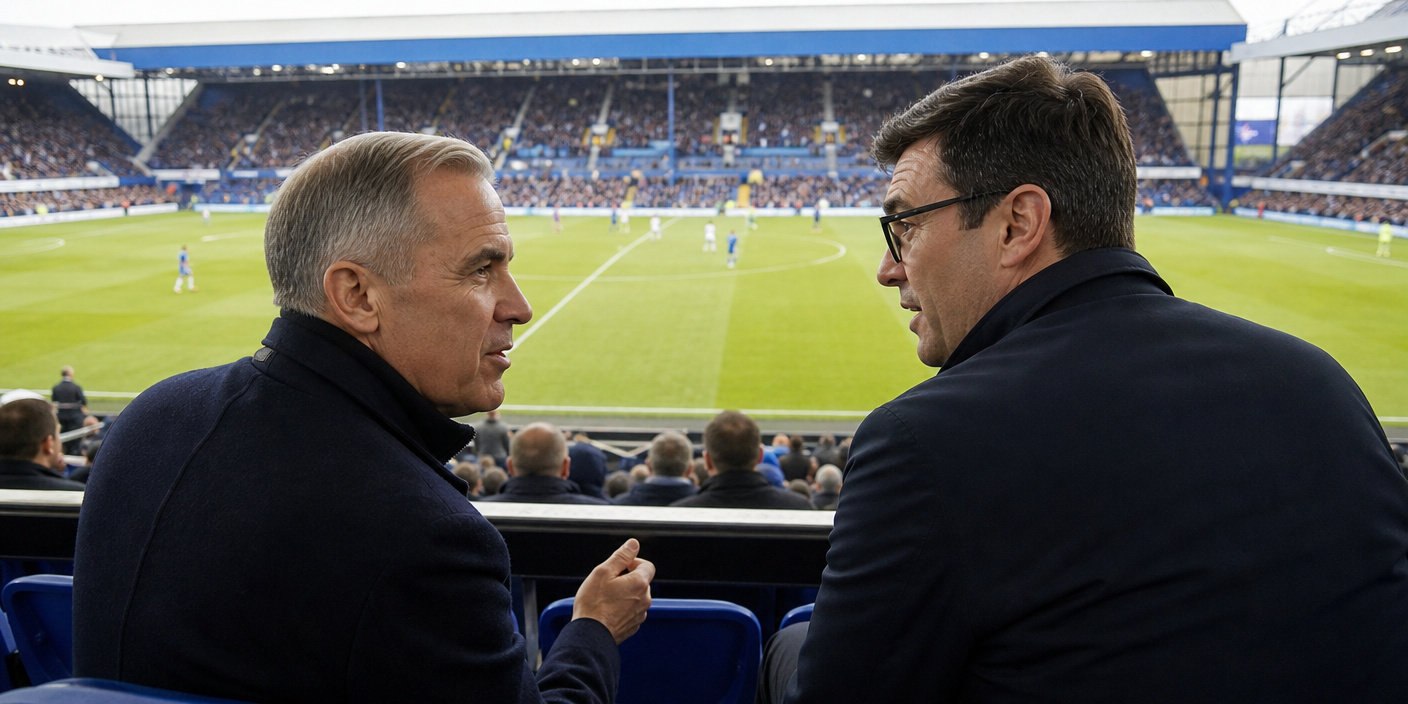
The landscape of global football administration stands on the precipice of a significant transformation following the English Football Association’s (FA) formal decision to initiate the withdrawal of support for FIFA President Gianni Infantino. This move, which comes after months of simmering tension within the corridors of Zurich, marks a pivotal moment in the relationship between one of football’s most influential national governing bodies and the world governing organization. The FA’s stance, rooted in what officials describe as ‘deep concerns’ over governance and the management of international tournaments, signals a potential fragmentation within the European voting bloc that could fundamentally alter the future of FIFA’s leadership.
The Governance Crisis: A Fractured Relationship
Systemic Concerns and Administrative Failure
The primary catalyst for the FA’s decision is a mounting list of grievances regarding FIFA’s internal governance. Under Infantino’s tenure, which began in 2016, the organization has faced consistent criticism regarding transparency, the concentration of decision-making power, and the broader inclusivity of its consultative processes. The FA, long considered a stabilizing force within UEFA, has publicly aligned its critique with the concerns of member associations who feel that FIFA’s strategic direction prioritizes commercial expansion at the expense of established sporting standards and governance integrity.
Crucial to this decision are the recent failures in international tournament management. From the logistical complexities and controversies surrounding the most recent World Cup cycles to the contentious expansion of the Club World Cup, the FA has identified a pattern of centralized decision-making that often bypasses the input of traditional footballing powerhouses. For the FA, the issue is not merely one of policy disagreement but a fundamental question of whether the current FIFA leadership is capable of managing the logistical and ethical complexities of the modern game.
The Erosion of European Consensus
Historically, the relationship between FIFA and the major European leagues has been one of uneasy cooperation. However, the FA’s withdrawal of support threatens to shatter the veneer of European unity. By stepping away from the pro-Infantino camp, the English FA is effectively challenging other European member associations to re-evaluate their own positions. This could precipitate a ‘domino effect,’ where other influential nations—particularly those within UEFA—may feel empowered to vocalize their own long-standing grievances, potentially leading to a formal challenge or a significantly altered voting landscape in the next presidential cycle.
Economic and Strategic Implications
Commercial Realignment and Future Impact
The withdrawal of support from a major revenue-generating body like the English FA carries significant economic weight. FIFA’s commercial model relies heavily on the participation and endorsement of leagues and federations that command global television audiences. If the FA leads a coalition of dissent, the long-term impact on FIFA’s ability to secure sponsorship and broadcast deals in Western markets could be substantial. The uncertainty surrounding future governance creates a ‘risk premium’ that commercial partners dislike, potentially destabilizing the organization’s financial outlook in the medium term.
Furthermore, the dispute extends to the calendar of international football. The tension between FIFA’s desire to expand tournament frequency and the FA’s commitment to preserving the integrity of domestic leagues—such as the Premier League—cannot be overstated. The English FA is essentially championing a model that respects the health and logistical capacity of club football, a position that stands in direct opposition to Infantino’s vision of a near-constant international tournament cycle.
The Future of FIFA Governance
As the FA moves to formalize its position, the question of what follows is paramount. Is this a precursor to a wider push for structural reform, or a calculated political maneuver to force concessions? The FA’s strategy suggests a multi-pronged approach: strengthening internal governance through increased oversight, demanding a seat at the table for major strategic decisions, and asserting the primacy of player welfare and domestic league schedules. This is a direct challenge to the presidential model Infantino has fostered, aiming to return FIFA to a more consultative, member-driven organization.
FAQ: People Also Ask
What specific actions are the FA taking regarding the FIFA presidency?
The FA is initiating formal steps to withdraw its support for Gianni Infantino. While the specific legal mechanisms involve member association voting blocs and lobbying efforts within FIFA’s Congress, the primary action is the public declaration of a lack of confidence, which serves as a diplomatic signal to other nations to reconsider their allegiance to the current leadership.
How does this impact the Premier League?
The Premier League and the FA often share a strategic outlook regarding the preservation of the club football calendar. By opposing Infantino, the FA is protecting the domestic schedule from further disruption caused by expanded FIFA tournaments, ensuring that club football remains the primary focus of the sport’s commercial and sporting ecosystem.
Will this lead to an immediate change in FIFA leadership?
It is unlikely to result in an immediate resignation. FIFA’s presidential cycles are rigid and protected by established statutes. However, this move significantly weakens Infantino’s mandate and increases the likelihood of a strong, unified opposition candidate emerging in the next election cycle, potentially shifting the balance of power within the FIFA Council.
Why is the FA prioritizing governance concerns now?
The FA’s decision reflects a culmination of several years of friction. Following the recent cycles of World Cup hosting controversies and the contentious proposal for biennial World Cups—which the FA publicly opposed—the leadership determined that silent diplomacy was no longer sufficient to address the deep-seated structural issues within FIFA.