
London has been officially selected as the host city for the dramatic final leg of the World Aquatics Swimming World Cup 2027. This prestigious appointment, secured following a successful bid by Aquatics GB, will see the world’s elite swimmers converge on the capital from 29-31 October 2027, marking a significant return of international swimming glory to London.
- Event: World Aquatics Swimming World Cup 2027 (Final Leg)
- Host City: London, United Kingdom
- Dates: 29-31 October 2027
- Organizing Body: Aquatics GB
The Return of London to the Global Aquatic Stage
The announcement that London will host the final leg of the 2027 World Aquatics Swimming World Cup is more than just a scheduling update; it represents a strategic revitalization of the UK’s position in global swimming. For the sporting world, London is synonymous with peak performance, largely due to the historic legacy of the 2012 Olympic Games. By hosting this final, deciding leg, the city is set to once again become the epicenter of the sport, bringing together the fastest swimmers on the planet to battle for the overall World Cup crown.
A Legacy Reinvigorated
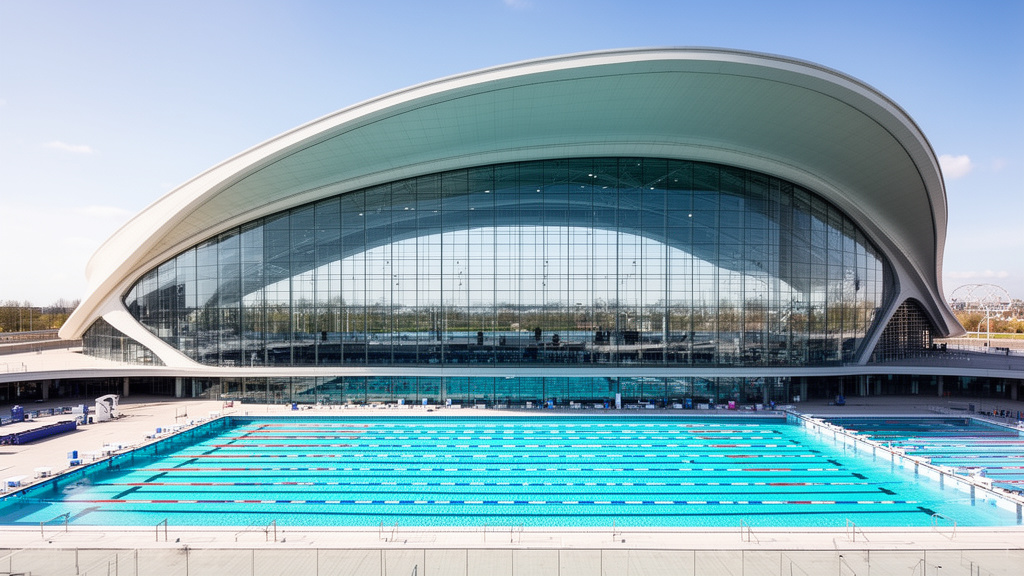
For over a decade, the London Aquatics Centre—the crown jewel of the Queen Elizabeth Olympic Park—has maintained its status as a world-class facility. While it has hosted numerous national and European championships, the return of a major World Aquatics event signals a renewed commitment to high-performance aquatics in Britain. The venue, designed by Pritzker Prize-winning architect Zaha Hadid, provides a cinematic and technically demanding backdrop that is perfectly suited for the intense nature of a World Cup finale. Bringing the 2027 finale to this venue is a deliberate effort to leverage that architectural and historical legacy, reminding the global sporting community of the UK’s capacity to host events of the highest magnitude.
The Strategic Significance of the ‘Final Leg’
In the context of the World Aquatics Swimming World Cup, the final leg is the crucible of the entire season. By October, the cumulative points—accrued over previous legs of the global tour—are at their most critical. Athletes will be racing not just for individual podium finishes in London, but to secure the overall Series title. This creates an environment of unparalleled tension and excitement. Unlike earlier legs, where swimmers might be testing training strategies or tapering schedules, the final leg in London will be a zero-sum game. Every millisecond will count, and the atmosphere in the arena is expected to be electric as national pride and global rankings collide.
Economic and Cultural Impact
The decision to award the 2027 event to London is a massive win for the British sports economy. Hosting a high-profile World Aquatics event generates significant inbound tourism, boosts local hospitality sectors, and inspires the next generation of domestic talent. Aquatics GB’s successful bid demonstrates a robust long-term strategy for promoting swimming as both a participation sport and a spectator-heavy commercial product. This influx of international fans, officials, and media will highlight London’s status as a premier hub for world-class sports tourism, potentially acting as a catalyst for further infrastructure investment in the aquatic sector.
Technical Standards and Preparation
Preparation for an event of this scale is a massive undertaking. From a technical perspective, the World Aquatics Swimming World Cup requires stringent adherence to international competition standards, including pool certification, electronic timing systems, and broadcast requirements for global television distribution. Aquatics GB will need to coordinate closely with local government, transport authorities, and security services to ensure the event runs seamlessly. With the dates locked for 29-31 October 2027, the countdown has officially begun, providing the organizing committee ample time to perfect the operational logistics required for such a high-stakes competition.
FAQ: People Also Ask
Why is the 2027 final leg in London significant for swimmers?
The final leg is the conclusion of the World Cup series. It determines the overall winners of the World Cup title, meaning athletes arrive with the highest stakes, as the cumulative series points are finalized during these three days of intense competition.
Which organization led the bid for the London event?
Aquatics GB, the national governing body for swimming, diving, and artistic swimming in Great Britain, led the successful bid to bring this event to London.
Where will the event be held?
While the specific pool has not been finalized, the London Aquatics Centre in Queen Elizabeth Olympic Park is widely considered the primary venue for events of this caliber, given its Olympic-standard infrastructure.
How does this impact the UK swimming scene?
Hosting a major international final provides a massive morale boost for British athletes, offers local fans the chance to see world-record holders up close, and creates significant opportunities for promoting swimming at the grassroots level.