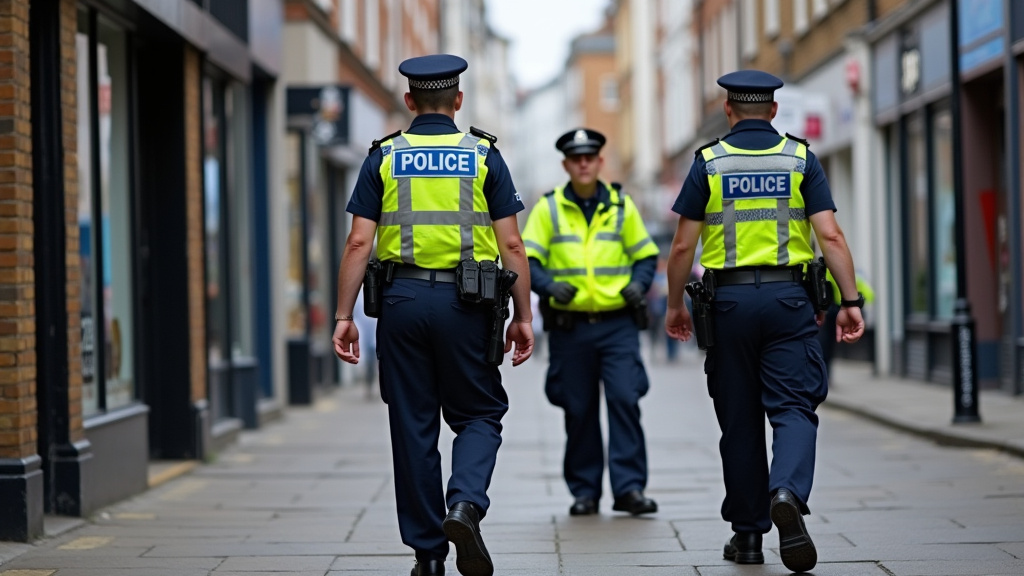
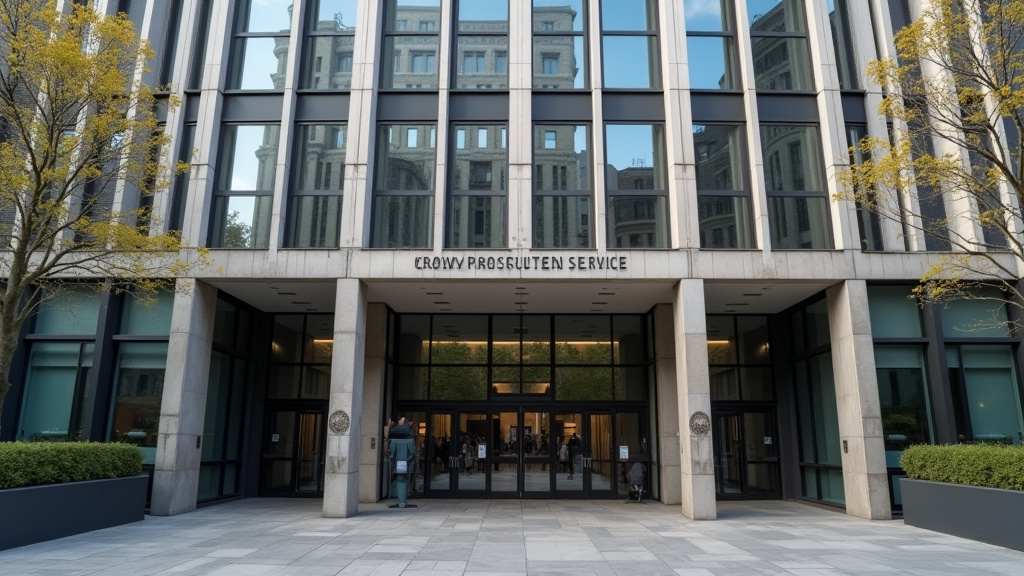
The Metropolitan Police Service (MPS) has officially completed the handover of its extensive investigation files regarding the 2017 Grenfell Tower fire to the Crown Prosecution Service (CPS). This pivotal transfer marks the transition from a decade-long evidence-gathering operation to a complex legal evaluation of potential criminal charges. For the survivors, the bereaved families, and a nation waiting for accountability, this submission represents the most significant milestone in the aftermath of the tragedy, which claimed 72 lives and continues to stand as a searing indictment of regulatory and corporate failure in the United Kingdom.
The Scale of the Investigation
For nine years, the Metropolitan Police Service has conducted one of the most complex criminal investigations in British history. The sheer scale of the operation is unprecedented, reflecting the intricate web of failure that led to the inferno. A dedicated team of 220 officers has worked tirelessly to process the evidence, scouring through the records of 700 organizations and examining the involvement or testimony of 15,000 individuals.
This was not merely a crime scene investigation; it was a forensic reconstruction of systemic failure. Investigators had to map out the entire supply chain of the building’s refurbishment, the legislative oversights in building regulations, and the individual actions of contractors, sub-contractors, and oversight bodies. The police report, now in the possession of the CPS, serves as a repository of this immense data set, detailing the specific decisions made by individuals and corporations that contributed to the fire’s rapid, fatal spread. The documentation includes internal emails, safety assessment reports, meeting minutes, and financial records, all of which will now be scrutinized by legal experts to determine if they meet the threshold for criminal prosecution.
Legal Implications: Navigating Corporate Manslaughter
The Crown Prosecution Service now faces a monumental task: determining who, if anyone, should be held criminally liable for the disaster. The investigation is exploring several severe charges, including corporate manslaughter, gross negligence manslaughter, and misconduct in public office.
Corporate manslaughter is notoriously difficult to prosecute in the UK because it requires proving that the way an organization’s activities were managed or organized by its senior management caused a person’s death and amounted to a substantial breach of the duty of care. Unlike standard negligence, this necessitates a high burden of proof that the ‘senior management’ of the organizations involved failed in their fundamental responsibilities. The CPS must also evaluate potential health and safety offenses, which carry significant penalties and could lead to major regulatory and financial repercussions for the entities involved.
Beyond corporate entities, the investigation has looked at individuals who oversaw fire safety regulations and the materials used in the cladding installation. The legal team must untangle a dense web of professional accountability, determining whether the actions—or omissions—of these individuals reached the level of criminal conduct. This process is not just about the law; it is about establishing a legal precedent for how we hold corporations and regulators accountable for catastrophic failures of public safety in the future.
The Road to June 2027
The CPS has signaled that its review process will be meticulous, with final decisions on whether to bring charges expected by June 2027. This timeline, while frustrating for those demanding immediate justice, reflects the complexity of the legal framework and the necessity of building an ‘indestructible’ case. Prosecutors cannot afford to bring charges that fail in court; such an outcome would be a secondary trauma for the victims and a failure of the judicial system.
The review will run in parallel with the ongoing societal discourse spurred by the recent final report from the Grenfell Tower Inquiry, chaired by Sir Martin Moore-Bick. While the Inquiry focused on determining the truth of how and why the fire happened, the criminal investigation is strictly focused on guilt and punishment. The two processes serve different functions, but the evidence gathered by the police will undoubtedly inform the arguments presented in court. The public, the survivors, and the international community will be watching closely as the CPS prepares its case over the next few years, expecting that the gravity of the event is met with an equally substantial legal response.
A Defining Moment for Institutional Accountability
Ultimately, the Grenfell Tower tragedy is a testament to the risks inherent in profit-prioritizing business models and weakened regulatory oversight. The upcoming legal proceedings will serve as a bellwether for the UK’s commitment to holding power to account. If the CPS decides to move forward with significant prosecutions, it could redefine the liability landscape for construction companies, safety certifiers, and local authority housing providers.
This case has already forced a national reckoning regarding fire safety standards and social housing, but the legal resolution will be the final chapter in the official quest for justice. The transfer of these files is not the end of the story, but it is the definitive beginning of the final act—a period of intense legal scrutiny that will determine whether the institutional failings of 2017 are met with the severity they deserve.
FAQ: People Also Ask
Why has it taken nine years to hand over these files?
The Grenfell Tower fire was a catastrophe of unprecedented scale, requiring a forensic, document-heavy investigation involving 700 organizations and thousands of witnesses. Ensuring the evidence was robust enough to meet the high burden of proof for criminal prosecution required extensive, meticulous police work to avoid legal challenges later.
What are the specific charges being considered?
The Crown Prosecution Service is considering charges including corporate manslaughter, gross negligence manslaughter, misconduct in public office, and various health and safety offenses related to the refurbishment and management of the building.
When will we know if charges will be filed?
The CPS has indicated that it expects to make decisions regarding the pursuit of criminal charges by June 2027.
How does this differ from the Grenfell Tower Inquiry?
The Grenfell Tower Inquiry (led by Sir Martin Moore-Bick) was a public inquiry designed to establish the facts of the tragedy and provide recommendations. The criminal investigation, now with the CPS, is entirely focused on determining potential criminal liability and pursuing court-based prosecutions against individuals or entities.
What impact could this have on the construction industry?
If the CPS moves forward with significant prosecutions, particularly regarding corporate manslaughter, it could lead to stricter regulatory oversight, mandatory changes in building safety legislation, and increased legal and financial accountability for companies involved in large-scale building refurbishment projects.