Sadiq Khan, the Mayor of London, is reportedly considering relinquishing his armored Jaguar as part of a broader initiative to reduce the number of sport utility vehicles (SUVs) operating within the capital. This move aligns with a wider effort to tackle air pollution and congestion in London.
Key Highlights:
- Mayor Khan may stop using his official armored Jaguar.
- This is part of a potential clampdown on SUVs in London.
- The initiative aims to reduce air pollution and traffic.
- Details on the specific scope and timeline are yet to be confirmed.
London’s SUV Scrutiny
Mayor of London Sadiq Khan is reportedly exploring the possibility of foregoing his armored Jaguar, a symbol of official transport, as part of a significant push to curb the prevalence of SUVs on London’s streets. This potential shift signals a strong commitment from City Hall to address the environmental and logistical challenges posed by a high volume of larger vehicles in an urban setting. While the exact details of the proposed clampdown are still emerging, the underlying objective is clear: to foster a cleaner and more efficient transportation network for the city.
Environmental Imperatives
The rationale behind such a policy is deeply rooted in London’s ongoing battle against toxic air pollution. SUVs, often characterized by their larger engines and greater weight, generally emit more carbon dioxide and other harmful pollutants compared to smaller, more conventional vehicles. These emissions contribute significantly to respiratory illnesses and the overall degradation of urban air quality. By targeting SUVs, Khan’s administration aims to accelerate progress towards its ambitious environmental targets, including achieving net-zero emissions.
Congestion and Space Constraints
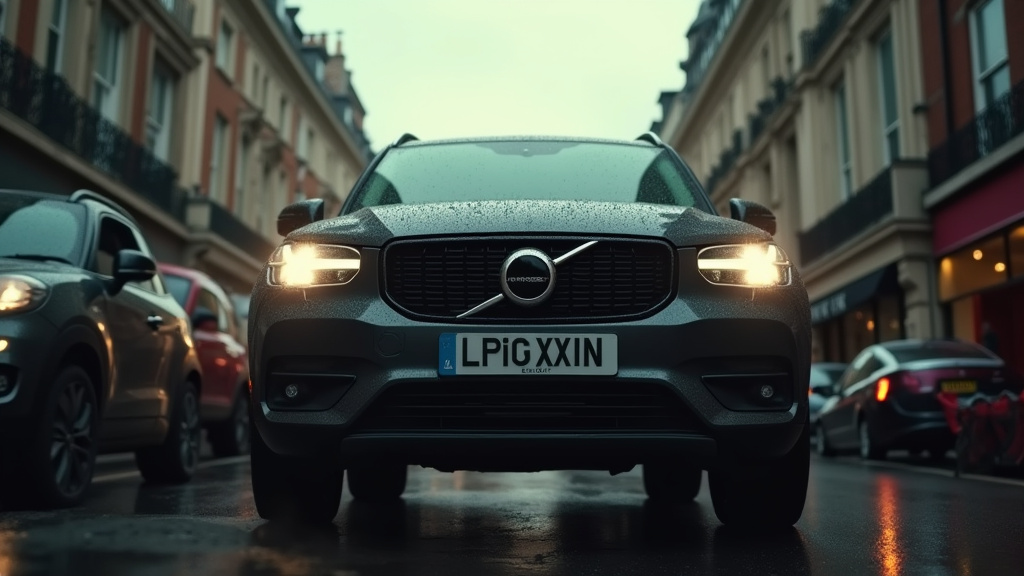
Beyond environmental concerns, the sheer size of SUVs also exacerbates congestion problems in a city already struggling with limited road space. Larger vehicles occupy more room on the road, slowing down traffic flow and increasing journey times for all road users. Furthermore, their bulk can make maneuvering in tight urban spaces more challenging, impacting pedestrian safety and the usability of public spaces. A reduction in SUV numbers could, therefore, lead to smoother traffic, improved safety, and a more pleasant urban environment.
The Mayor’s Vehicle and Symbolism
The potential relinquishing of the Mayor’s own armored Jaguar adds a layer of symbolic weight to the proposed policy. It suggests that the administration is willing to lead by example, demonstrating that even official and security-conscious transport can be re-evaluated in light of environmental and urban planning goals. While the armored nature of the vehicle primarily addresses security concerns, its potential replacement or phasing out could send a powerful message about prioritizing sustainability and reduced vehicle size.
Consultation and Future Policy
Officials have indicated that the proposed measures will be subject to public consultation, ensuring that various stakeholders have an opportunity to voice their opinions and concerns. This inclusive approach is crucial for the successful implementation of any new traffic or vehicle policy. The specifics of the SUV clampdown, including potential restrictions, charges, or incentives, will likely be shaped by these consultations and further data analysis. The Mayor’s Office has stated that the aim is to create a transport system that is cleaner, greener, and more efficient for all Londoners.
FAQ: People Also Ask
What are SUVs and why are they a concern in cities?
SUVs (Sport Utility Vehicles) are a type of car that combines features of road-going passenger cars with features from off-road vehicles. They are often larger, heavier, and have higher emissions (CO2, NOx, PM) compared to standard cars. In cities, their size contributes to congestion, parking difficulties, and can pose a greater risk to pedestrians and cyclists. Their higher emissions are a major factor in urban air quality issues.
Has London implemented vehicle restrictions before?
Yes, London has a history of implementing vehicle restrictions to combat pollution and congestion. These include the Congestion Charge (a daily fee to drive in central London during certain times), the Ultra Low Emission Zone (ULEZ) which charges more polluting vehicles to drive in the city, and various Low Emission Zones (LEZs). These measures have been instrumental in reducing pollution levels and encouraging the use of cleaner transport options.
What are the environmental benefits of reducing SUVs in London?
Reducing SUVs can lead to significant environmental benefits. Primarily, it lowers greenhouse gas emissions (like CO2), helping to combat climate change. It also reduces local air pollutants (like NOx and particulate matter), which improves public health by decreasing rates of respiratory and cardiovascular diseases. Furthermore, a shift to smaller vehicles can lead to greater fuel efficiency and reduced reliance on fossil fuels.
How might Sadiq Khan’s office restrict SUVs?
While details are scarce, potential restrictions could include expanding the ULEZ to specifically target higher-emitting SUVs, introducing new charges for larger vehicles entering certain zones, implementing stricter parking regulations for SUVs, or offering incentives for Londoners to switch to smaller, electric, or alternative forms of transport. The Mayor’s potential decision to forgo his armored Jaguar suggests a focus on leading by example and potentially reducing the use of larger, less environmentally friendly official vehicles.
Will this affect all types of SUVs equally?
It is likely that any new policy would differentiate based on emissions standards and vehicle size. Newer, more efficient, or electric SUVs might be treated differently than older, more polluting models. The goal is generally to target the most harmful vehicles while allowing for the transition to cleaner technologies. Public consultation will be key in determining the final specifics and ensuring a balanced approach.