Transport for London (TfL) has confirmed its maintenance schedule for August 2026, marking a significant period of engineering work across the Underground, Overground, and DLR networks. Commuters, residents, and tourists alike must prepare for inevitable service adjustments as the transport authority executes essential track renewals, signal upgrades, and accessibility improvements throughout the capital. While August traditionally sees a dip in commuter volume, these planned closures remain critical for the long-term reliability and safety of the network, requiring passengers to plan their journeys with increased caution.
Key Highlights
- Strategic Asset Renewal: Major engineering work is concentrated in August to leverage the school holiday period, minimizing the impact on peak-time commuter flow.
- Network-Wide Impact: Closures affect not only the London Underground lines but extend to specific branches of the DLR and London Overground, particularly in East and South London corridors.
- Essential Planning Tools: TfL strongly advises the use of the ‘TfL Go’ application and real-time journey planners, as replacement bus services will be operating to cover the majority of suspended sections.
The Engineering Imperative: Why August 2026 Matters
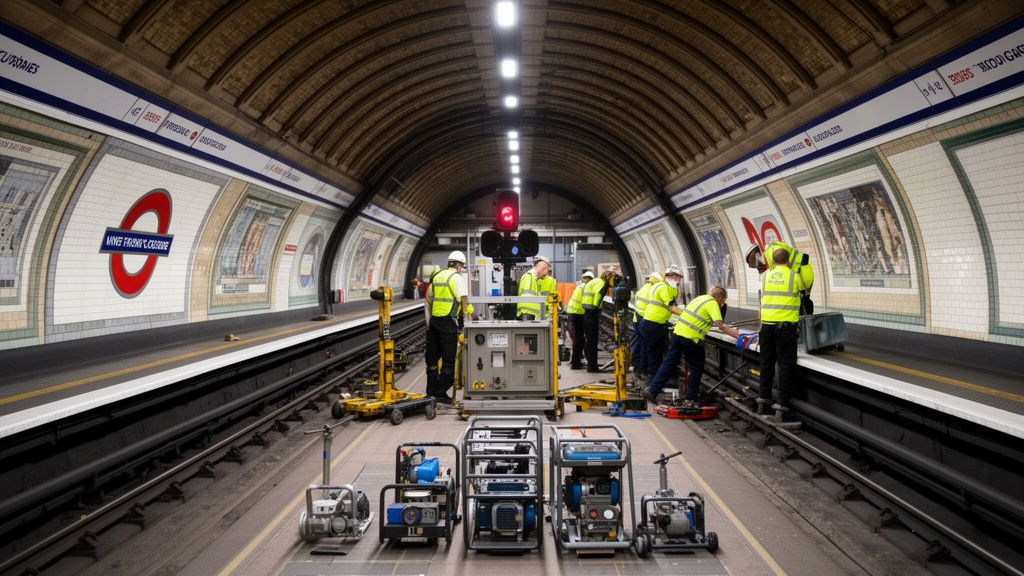
The London Underground and TfL lines that will be shut in August 2026 represent a deliberate, tactical choice by infrastructure planners. Maintaining a network that serves millions daily is a gargantuan task; doing so while the city is at full capacity is impossible. Consequently, TfL utilizes the summer recess—specifically August—as a primary window for high-intensity engineering projects. This period allows for 24/7 site access, which is not feasible during typical operating hours. The closures this August are not random; they are the result of years of predictive maintenance modeling and asset condition reporting.
For the average Londoner, this means localized disruption, but for the network, it means the prevention of catastrophic failure. The scope of work for August 2026 includes the installation of new signaling technology designed to increase train frequency and reliability over the next decade. As the system pivots toward greater automation, these “shut-down” phases are the necessary “system reboots” required to integrate modern software with legacy Victorian-era infrastructure.
Navigating the Disruptions: A Commuter’s Guide
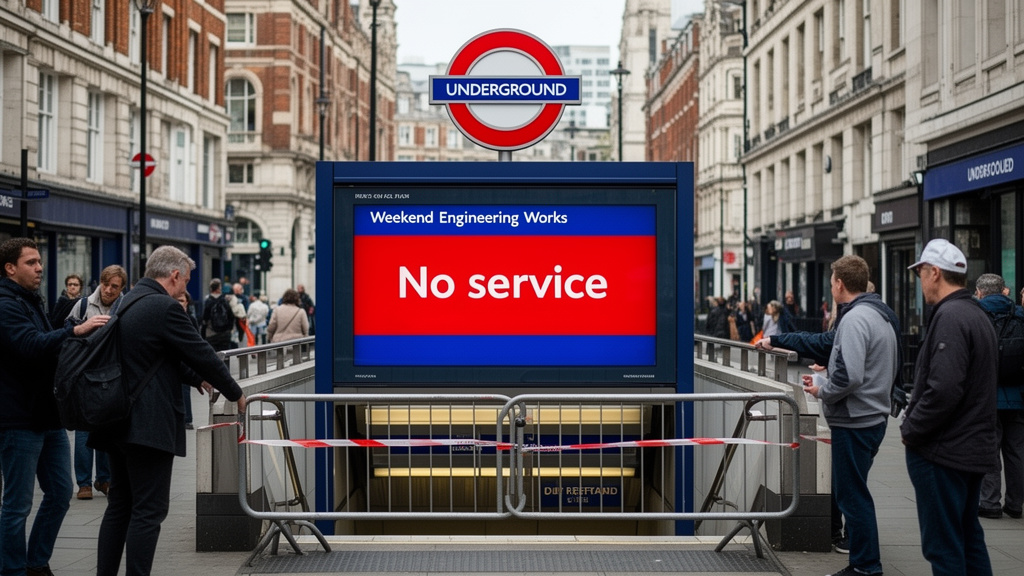
Navigating the London Underground and TfL lines that will be shut in August 2026 requires more than just checking a map—it requires a pivot in mindset. The primary disruption centers on key interchanges where signaling upgrades are reaching their final phase. For many, this will mean relying on the robust replacement bus network, which TfL expands significantly during these periods.
Commuters are advised to factor in additional “buffer time” to their schedules. If a journey typically takes 40 minutes, expecting an additional 20 to 30 minutes for interchanges is prudent. The key is to avoid “last-minute” route planning. Using the TfL website’s dedicated closure tool is the single most effective way to avoid being stranded at a closed station. Furthermore, consider alternatives like the Santander Cycles network or walking routes, which are often faster than waiting for replacement bus services during peak summer weekend bottlenecks.
Economic and Social Implications
The economic ripple effect of these closures cannot be ignored. The London West End and the financial districts rely on the seamless movement of people. When major arteries of the Tube are restricted, footfall in retail and hospitality sectors fluctuates. However, TfL’s strategy includes phased closures rather than full-line shutdowns whenever possible, aiming to keep station “islands” open to support local businesses.
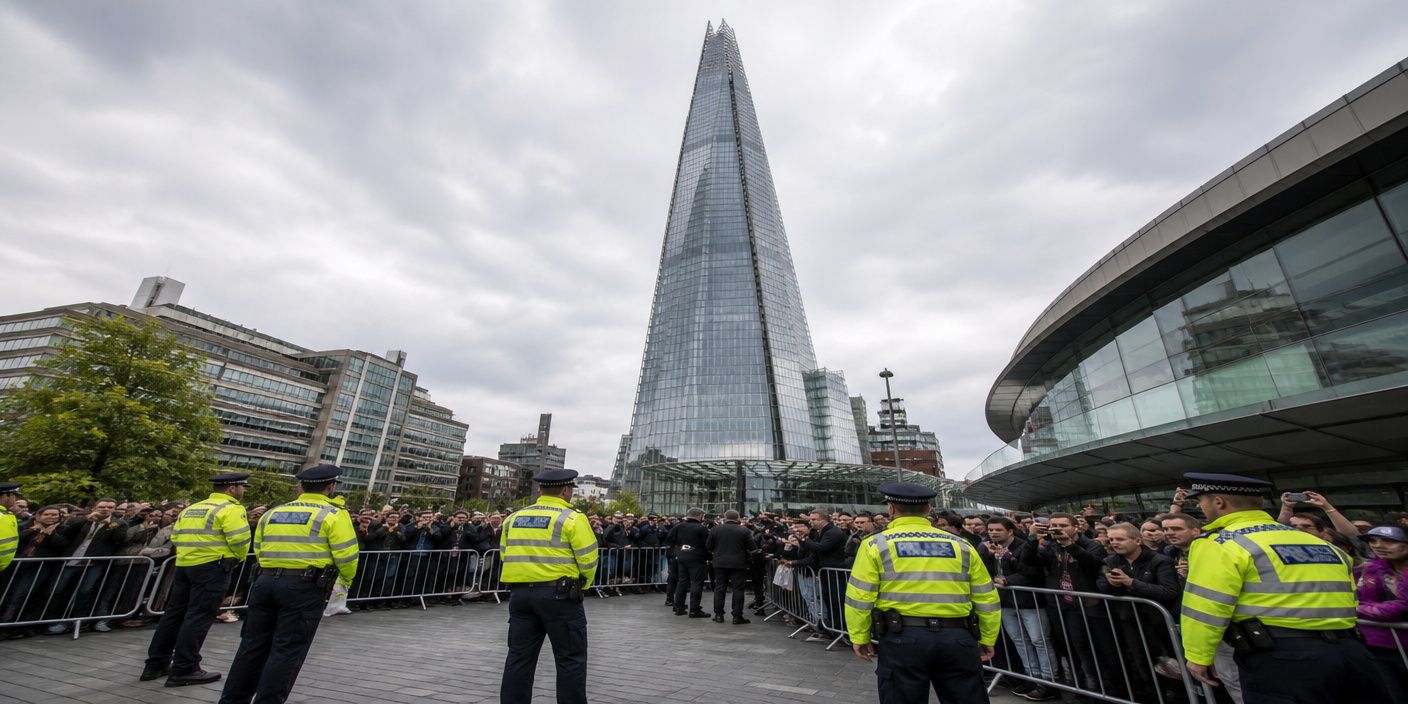
There is also a significant social aspect to these updates. As London hosts numerous summer events and tourists flood the city in August, the strain on the remaining operational lines increases. This creates a “pressure cooker” effect on open lines like the Victoria or Jubilee, which often experience higher-than-average crowding during maintenance weeks. Passengers should expect busier carriages and potentially platform “control measures” (temporary entry restrictions) during high-traffic weekends.
Future-Proofing: The Long-Term Vision
Why endure the inconvenience? The long-term vision for the London Underground is one of higher capacity and reduced latency. The projects scheduled for August 2026 are part of the broader Four Lines Modernisation (4LM) program. This initiative is the backbone of TfL’s future-proofing strategy, ensuring that the network can handle an increasing population while maintaining safety standards that are among the highest in the world.
Every meter of track replaced and every signal box upgraded contributes to the sustainability of the capital’s economy. While the immediate frustration of a closed line is palpable, the alternative—a degrading, slower, and more unreliable system—would be far more detrimental to London’s status as a global financial and cultural hub. By focusing the “heavy lifting” into these scheduled intervals, TfL maintains the viability of the network for decades to come.
FAQ: People Also Ask
Q: Will the replacement bus services be free of charge?
A: No. Replacement bus services provided during TfL engineering works are treated as part of the standard network, meaning regular fares or caps apply based on your payment method (Oyster or contactless).
Q: How can I check if my specific route is affected before I travel?
A: Always consult the official TfL ‘Status Updates’ page or the ‘TfL Go’ app 24 hours before your journey. These resources provide real-time updates and maps of bus replacement routes.
Q: Why are there so many closures in August specifically?
A: August typically sees a lower volume of commuter traffic due to school holidays and annual leave patterns, making it the most efficient time to perform intensive engineering work without causing maximum economic disruption.
Q: Are any other transport modes affected besides the Tube?
A: Yes. The planned works often impact London Overground and DLR segments that share or intersect with Underground infrastructure. Always check the full TfL network map for concurrent bus and rail service adjustments.