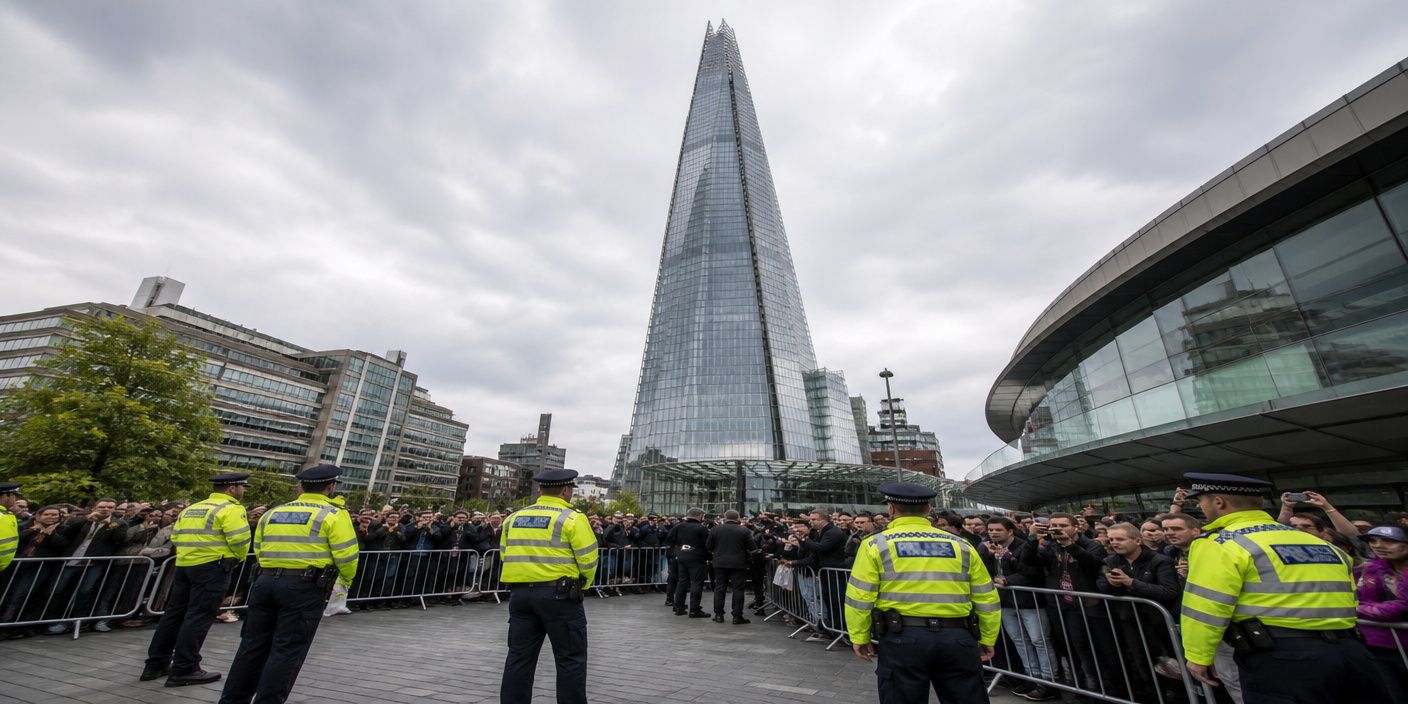
Westminster City Council has ignited a firestorm within the hospitality industry after unveiling a draft Statement of Licensing Policy that suggests imposing limits on standing space for pubs and bars in London’s Soho and the West End. As one of the most densely populated entertainment districts in the world, this move represents a significant attempt by local government to manage the delicate friction between the thriving night-time economy and the increasing demands of residential amenity. However, the proposal has been met with immediate and vocal opposition from the Night Time Industries Association (NTIA), which argues that such restrictions could cripple the commercial viability of venues that rely on high-volume, dynamic social environments to survive.
Key Highlights
- Proposed Licensing Shift: Westminster Council’s draft policy includes specific considerations for limiting ‘standing space’ in licensed premises to reduce crowding and potential antisocial behavior.
- Industry Backlash: The Night Time Industries Association (NTIA) has publicly condemned the proposal, warning it could destroy the character and economic sustainability of historic London venues.
- The Balancing Act: The policy aims to address noise complaints and public safety, but industry advocates argue it ignores the essential nature of ‘vertical drinking’ and the cultural identity of the West End.
- Economic Threat: Venue operators fear that reduced capacity or strict floor-space mandates could lead to job losses and a broader decline in London’s global nightlife appeal.
The Battle for Soho: Balancing Nightlife and Regulation
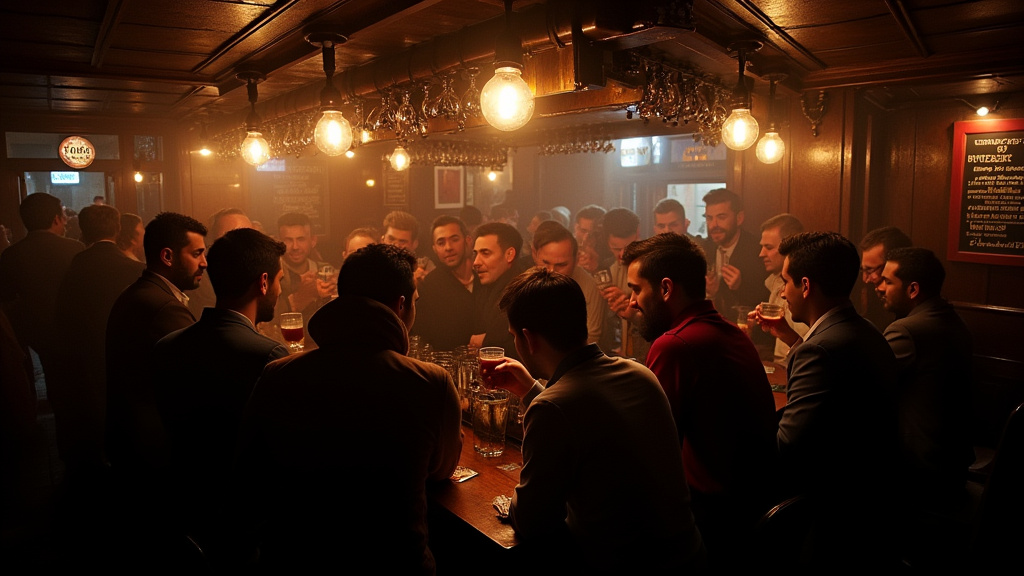
The fundamental tension at the heart of this dispute is the definition of a public house in the 21st century. For decades, the ‘pub’ in London has functioned as a fluid, often standing-room-only space where the density of the crowd is considered part of the atmosphere and, crucially, part of the business model. By introducing regulatory frameworks that target standing numbers, Westminster Council is signaling a departure from laissez-faire licensing towards a more interventionist management style.
The Economic Mechanics of Space
At the core of the opposition is the economic reality of operating a business in one of the world’s most expensive real estate markets. For a Soho pub, every square foot is a calculation of yield. When a venue is prohibited from utilizing its full floor area for standing customers, the ‘throughput’—the number of drinks served and the overall revenue generated—drops significantly. The NTIA has highlighted that these venues operate on razor-thin margins; a mandated reduction in capacity is not just a nuisance, but a potentially existential threat to independent operators who cannot afford the overheads of larger, sit-down establishments.
Cultural Identity vs. Residential Growth
This policy update also reflects a deeper societal shift: the ‘residentialization’ of the West End. Over the past twenty years, luxury apartments and long-term residential units have increasingly populated what were once exclusively commercial or entertainment-focused blocks. New residents often find themselves in direct conflict with the legacy of a 24-hour city. The council is caught in the middle, tasked with the legal duty to protect the ‘quiet enjoyment’ of homes while maintaining the vibrancy that makes Soho a global destination. The draft policy suggests that by curbing the sheer volume of patrons in a standing environment, the council hopes to mitigate the street-level noise that occurs when those patrons spill out onto the pavement.
The Precedent of ‘Vertical Drinking’ Restrictions
This is not the first time local authorities have targeted ‘vertical drinking.’ Similar debates occurred during the late 2000s, often centered on public order and the perception that standing-only venues were harder to police. However, the modern argument has evolved. Now, it is not just about order, but about the ‘character’ of the district. If Soho loses the chaotic, energetic standing culture that defines it, does it lose its soul? Critics argue that by turning these venues into seated, regulated, and quieter spaces, the council risks ‘sterilizing’ the area, turning the West End into a suburbanized shadow of its former self.
Future Implications and Policy Direction
The draft licensing policy is currently undergoing consultation, and the final version will be closely watched by city planners across the UK. If Westminster successfully implements these standing limits, it could set a precedent for other councils in major urban centers like Manchester, Leeds, and Bristol to follow suit. The battle lines are drawn between those who view the city as a living, breathing entertainment ecosystem and those who view it primarily as a collection of residential neighborhoods that require municipal management.
FAQ: People Also Ask
Q: Why does the council want to limit standing in pubs?
A: The primary stated reasons are to reduce noise, manage public safety, and prevent overcrowding, which can lead to antisocial behavior and difficulties for emergency services to navigate dense areas.
Q: Is the NTIA legally challenging this?
A: The NTIA is currently campaigning against the draft policy during the consultation phase, aiming to influence the final wording and force a reconsideration of the restrictive measures.
Q: Will this affect existing pubs immediately?
A: Licensing policies generally apply to new applications and renewals. However, if the policy becomes strict, it may place pressure on existing venues during their license review processes, potentially leading to retrospective changes in operating conditions.