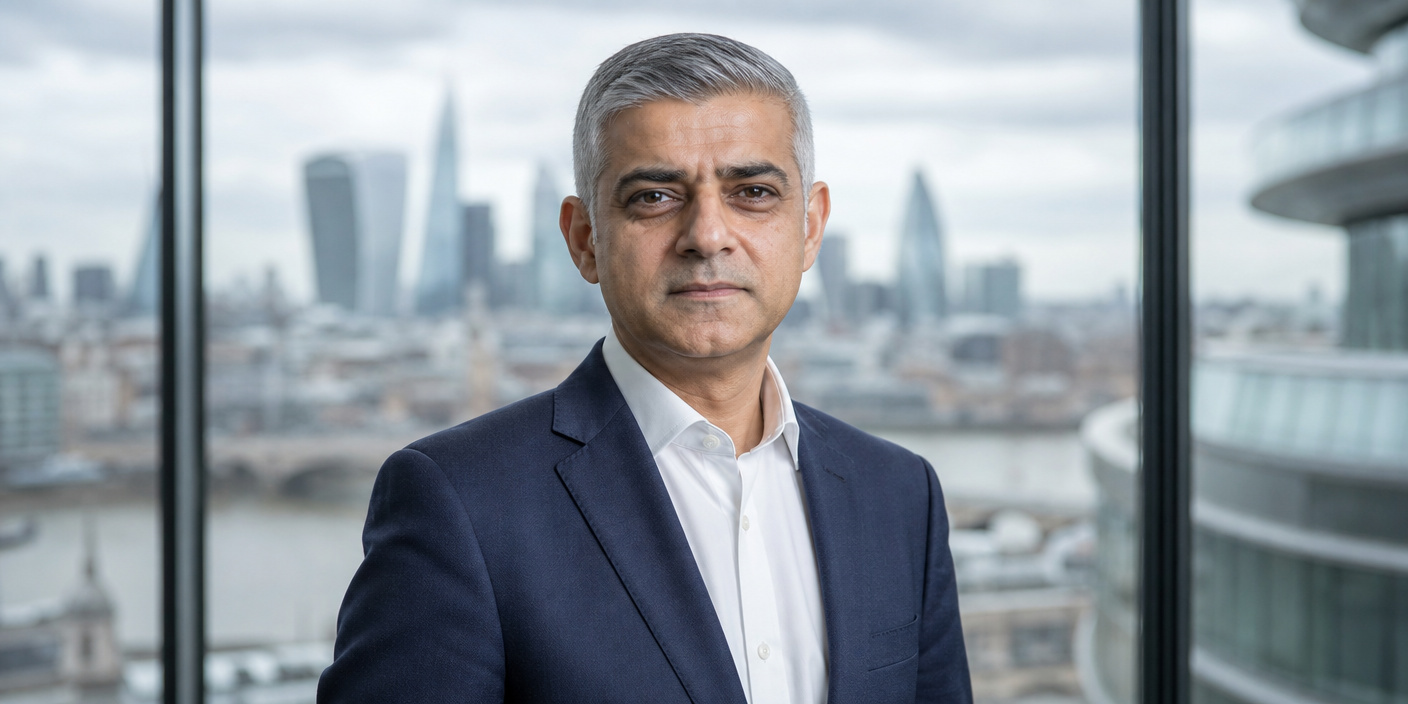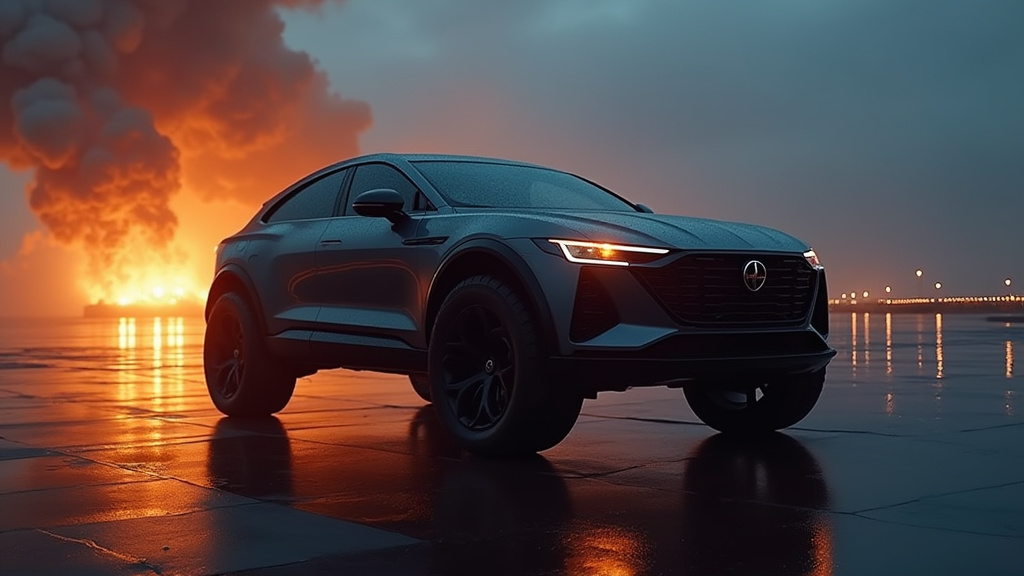
Mayor of London Sadiq Khan is reportedly considering relinquishing his armoured official vehicle as part of a broader initiative to curb the use of sport utility vehicles (SUVs) within the capital.
Key Highlights:
- Mayor Khan may abandon his armoured car.
- The move is linked to a potential clampdown on SUVs in London.
- This initiative aims to improve air quality and reduce congestion.
- Details of the proposed SUV restrictions are still emerging.
London’s SUV Scrutiny
Mayor Sadiq Khan is reportedly contemplating a significant personal change that could signal a broader policy shift regarding vehicle usage in London. Sources suggest Khan may give up his armoured official car, a move seen as a symbolic gesture ahead of potential new restrictions on SUVs in the city. This contemplation comes amid growing pressure on the Mayor’s office to address air pollution and traffic congestion, with SUVs frequently cited as major contributors to both issues. The proposal to reduce SUV presence on London’s streets is part of a wider environmental agenda aimed at making the capital greener and healthier for its residents. While the specifics of the proposed SUV clampdown are yet to be fully detailed, the Mayor’s potential forfeiture of his armoured vehicle suggests a serious commitment to leading by example. This consideration could pave the way for stricter emissions standards, expanded Ultra Low Emission Zone (ULEZ) boundaries, or even outright bans on certain types of high-emission vehicles in specific areas. The move also aligns with London’s commitment to achieving net-zero carbon emissions by 2030.
Environmental Rationale Behind the SUV Debate
The debate surrounding SUVs in urban environments is not unique to London. These vehicles, often larger and heavier than traditional cars, typically have higher fuel consumption and CO2 emissions. Their elevated ride height and size also contribute to increased road danger for pedestrians and cyclists, and they occupy more road space, exacerbating congestion. Transport for London (TfL) data has highlighted the growing popularity of SUVs, which, if unchecked, could undermine efforts to improve air quality. The Mayor’s office has been under pressure from environmental groups and public health advocates to implement more robust measures against polluting vehicles. The potential abandonment of the armoured car is framed as a signal of solidarity with the public and a commitment to the stringent environmental standards he is advocating for.
Potential Impacts of an SUV Clampdown
A clampdown on SUVs could have far-reaching consequences. For drivers who rely on SUVs for family transport, work, or accessibility needs, changes could necessitate the purchase of new, smaller, or electric vehicles, representing a significant financial outlay. The automotive industry is already shifting towards electric and hybrid models, but the transition may not be immediate or affordable for all. Furthermore, businesses that utilize SUVs for operational purposes, such as tradespeople or delivery services, might face increased costs and logistical challenges. Critics of such measures often argue for a more nuanced approach, focusing on vehicle emissions rather than vehicle type, or incentivizing the adoption of cleaner technologies. The economic implications for the automotive sector and associated industries also warrant careful consideration.
Historical Context of London’s Traffic Policies
London has a long history of implementing pioneering traffic management strategies. Congestion charging, introduced in 2003, was one of the first of its kind globally, significantly reducing traffic in the city centre. More recently, the expansion of the ULEZ has targeted older, more polluting vehicles. The current consideration regarding SUVs represents an evolution of these policies, moving from broad emission standards to more specific vehicle class considerations. The success of previous initiatives suggests that bold policy decisions can yield tangible environmental benefits for the city. The political will required to implement such changes, however, remains a key factor.
FAQ: People Also Ask
What are the main concerns about SUVs in cities?
The primary concerns include higher emissions contributing to air pollution, increased fuel consumption, greater road danger to pedestrians and cyclists due to their size, and exacerbation of traffic congestion.
How might Sadiq Khan’s armoured car be affected?
If the Mayor abandons his armoured car, it would likely be replaced with a less conspicuous, more environmentally friendly vehicle, serving as a symbolic endorsement of his own policies.
What are the potential alternatives to SUVs for Londoners?
Alternatives include smaller, more fuel-efficient petrol or diesel cars, hybrid vehicles, electric vehicles (EVs), or even alternative transport methods like public transit, cycling, and walking.
When might new rules on SUVs be announced?
Details are still emerging, and no firm announcement date has been provided. The Mayor’s office is reportedly in the consultation and planning stages for potential new measures.
Are there other cities implementing SUV restrictions?
Several cities worldwide are exploring or implementing measures to reduce the impact of larger vehicles, often through emissions standards, low-emission zones, or congestion pricing that may disproportionately affect less efficient SUVs.