The United Kingdom stands on the precipice of a significant meteorological event as a persistent high-pressure system triggers the fifth major heatwave of the season. With temperatures forecast to hit a blistering 38°C across central and southeast England, the nation is nearing its all-time August records. This intense period of thermal stress is forcing local authorities and utilities to take emergency measures, most notably the implementation of a rare drought order by Southern Water. As the mercury climbs, the convergence of infrastructure strain and public health risks is testing the resilience of a nation unaccustomed to such prolonged heat.
Key Highlights
- Unprecedented Frequency: This marks the fifth official heatwave of the summer, signaling a departure from historical climate norms.
- Record Temperatures: Forecasts predict peaks of 38°C in parts of central and southeast England, potentially threatening the all-time August temperature records.
- Critical Infrastructure: Southern Water has officially applied for a drought order, a severe measure that grants utility providers emergency powers to restrict water usage.
- Health and Safety: The UK Health Security Agency (UKHSA) has issued level-three heat-health alerts, advising the public to exercise extreme caution.
The Meteorological and Infrastructure Crisis: A System Under Pressure
The current weather pattern is characterized by a stagnant ‘heat dome’—a massive area of high pressure that traps hot, dry air over the UK. Unlike previous heatwaves that offered temporary respite, this event is notable for its duration and the cumulative impact on the environment. The Met Office reports that the jet stream has shifted, allowing tropical continental air masses to flow northward without interference, driving temperatures toward the 38°C mark, a figure that is significantly higher than the seasonal average for the British Isles.
The Legal and Economic Weight of a Drought Order
The application by Southern Water for a drought order is a defining moment of this summer. In the UK, water scarcity management follows a strictly tiered hierarchy. A ‘drought order’ is far more serious than a standard ‘drought permit.’ Under the Water Resources Act 1991, an order is a statutory instrument that grants the provider, in this case, Southern Water, the legal authority to restrict non-essential water usage beyond standard hosepipe bans. This includes limiting industrial water use, agricultural irrigation, and even specific types of commercial cleaning.
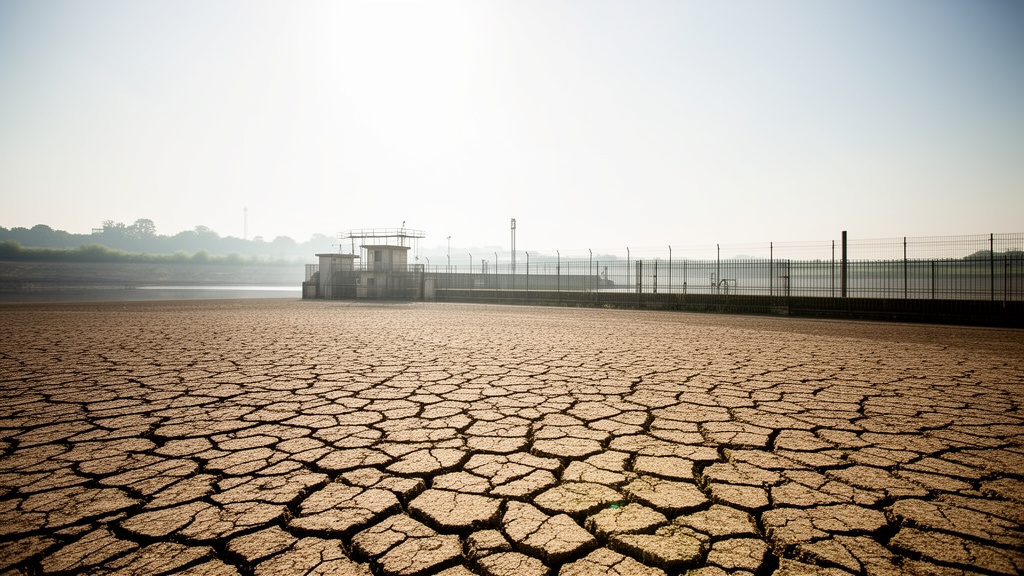
The economic implications are substantial. Agriculture in the southeast, a hub for high-value crop production, faces significant threats. Without adequate irrigation, yield losses for seasonal produce—such as berries, stone fruits, and salad crops—could result in market price inflation. Furthermore, the drought order signals to the UK government and the Environment Agency that voluntary water-saving measures are no longer sufficient to maintain reservoir levels, which have plummeted to historic lows due to the lack of significant rainfall since early spring.
Urban Heat Islands and Health Vulnerabilities
The 38°C forecast poses a severe threat to urban centers, particularly London. Through the ‘urban heat island’ effect, concrete, asphalt, and dense infrastructure absorb and re-emit solar radiation, keeping temperatures significantly higher at night than in rural surroundings. The UK Health Security Agency (UKHSA) has cautioned that the physiological toll on the elderly, infants, and those with pre-existing respiratory or cardiovascular conditions is critical. Hospitals and the NHS are bracing for an influx of heat-related admissions, including dehydration, heat exhaustion, and cases of heatstroke, which can be fatal if not managed within the critical ‘golden hour’ of diagnosis.
Infrastructure Resilience: Beyond the Water Tap
While water supply is the primary concern, the heatwave is also stressing the National Grid. High temperatures reduce the efficiency of power transmission and increase electricity demand as air conditioning units and cooling fans run at peak capacity. National Grid operators are closely monitoring load balancing to prevent brownouts. The persistent heat also poses a risk to transport infrastructure. Rail networks are particularly vulnerable; metal tracks can expand under extreme heat, leading to ‘buckling’ risks that force operators to impose speed restrictions, resulting in widespread delays and logistical chaos across the commuter belt.
A New Normal: Climate Change and the British Summer
Climatologists are increasingly characterizing these recurring heatwaves as evidence of the ‘new normal’ in the UK. Data from the Environment Agency indicates that the frequency of these events is increasing in direct correlation with global mean temperature rises. The shift is not merely about hotter days; it is about the disruption of seasonal rainfall cycles. The southeast of England is essentially transitioning toward a more arid climate profile, challenging the current water management infrastructure that was designed for a wetter, more temperate century. Long-term solutions, such as inter-regional water transfers, desalination plants, and significantly improved leakage detection, are now being debated with renewed urgency in Parliament.
FAQ: People Also Ask
1. What is the difference between a hosepipe ban and a drought order?
A hosepipe ban is a temporary restriction on domestic water usage for non-essential activities like gardening or washing cars. A drought order is a legally binding statute granted by the Secretary of State that allows water companies to implement much stricter controls, potentially affecting industrial and commercial water consumption to preserve essential supplies.
2. Is 38°C a record for the UK in August?
While 38°C is near the record, the UK’s highest recorded temperature occurred during a separate extreme weather event, surpassing 40°C. However, hitting 38°C in August is highly unusual and dangerous, as it often occurs after the ground has already been baked by multiple preceding heatwaves, increasing the risk of wildfires.
3. How long is this heatwave expected to last?
Meteorological models suggest the high-pressure system will remain stationary for several days, potentially lingering throughout the week before moving eastward. The Environment Agency and Met Office are providing daily updates as the pressure system shifts.
4. What should vulnerable populations do to prepare?
The UKHSA advises staying indoors during peak sun hours (11:00 AM to 3:00 PM), keeping curtains closed to block out heat, staying hydrated, and using cool, damp cloths. If you have elderly neighbors, check on them regularly during the peak of the heatwave.