Transport for London (TfL) has officially launched a monumental legal challenge against several major automotive manufacturers, seeking up to £1 billion in damages. The claim, which marks a significant escalation in the ongoing tension between city regulators and the automotive industry, centers on alleged discrepancies regarding ULEZ (Ultra Low Emission Zone) emissions compliance in various vehicle models. This development threatens to disrupt the automotive landscape in the UK and could set a global precedent for how emissions testing is audited and prosecuted.
The Core Allegation: Emissions and Accountability
At the heart of the legal filing is the accusation that several automotive manufacturers provided data during emissions testing that did not align with the real-world performance of their vehicles. For years, the automotive industry has faced scrutiny regarding the gap between laboratory-tested results—using the older NEDC or newer WLTP (Worldwide Harmonised Light Vehicles Test Procedure) cycles—and the actual emissions produced during standard urban driving conditions.
TfL’s legal team alleges that this variance led to an undercounting of nitrogen oxide (NOx) emissions within the Ultra Low Emission Zone. By misrepresenting these figures, TfL argues that certain vehicle models were incorrectly deemed compliant with ULEZ standards, thereby allowing non-compliant, high-pollution vehicles to enter the zone without incurring the appropriate daily charge. This oversight, TfL claims, has undermined the environmental integrity of the scheme and deprived the organization of significant revenue intended to fund the expansion of clean transport infrastructure.
Breaking Down the £1 Billion Demand
The £1 billion figure sought by Transport for London is not merely a punitive measure; it is presented as a calculation of lost revenue and operational costs. TfL argues that the non-compliance issues have directly impacted the ULEZ enforcement mechanism. The financial impact is broken down into three primary vectors:
1. Lost Revenue: Revenue from daily ULEZ charges that should have been collected from vehicles incorrectly categorized as compliant.
2. Enforcement and Remediation: The administrative burden and costs associated with re-evaluating the fleet, auditing historical data, and managing the resulting policy adjustments.
3. Public Health and Infrastructure: The environmental cost, which TfL argues necessitates additional public spending on air quality mitigation programs that would otherwise have been funded by the emissions charges of the vehicles in question.
The Automotive Industry’s Response
The automotive manufacturers involved have largely signaled a intent to contest the claims vigorously. Industry representatives argue that they operated within the legal frameworks provided by international regulators at the time of vehicle certification. Many manufacturers contend that “real-world” driving conditions are inherently variable and cannot be perfectly captured by standardized testing cycles, a defense that has historically been used in the wake of previous emissions scandals. Legal analysts suggest this case will likely hinge on the definition of “compliance” and whether manufacturers are liable for the variance between standardized laboratory conditions and urban traffic realities.
Impact on the Regulatory Environment
This legal action signifies a shift in power dynamics. Historically, automotive manufacturers have relied on the regulatory approval provided by government bodies as a shield against liability. However, TfL’s move suggests that local authorities are now willing to conduct their own independent audits and pursue legal restitution regardless of previous type-approval certifications.
If TfL succeeds in this claim, it could trigger a domino effect across Europe and beyond. Other major cities with low-emission zones—such as Paris, Berlin, and Milan—may look to London’s legal strategy as a blueprint for holding manufacturers accountable. This creates an existential risk for automotive brands that have built their fleet strategies around compliance thresholds that are now being challenged in high-stakes litigation.
The Intersection of Policy and Technology
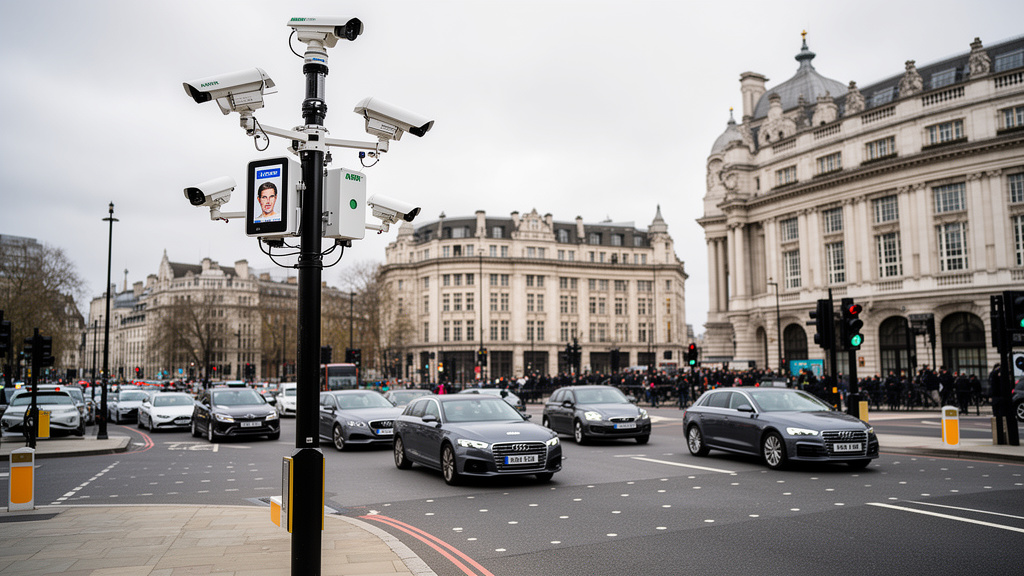
The crux of the matter lies in the evolution of emissions technology. As cities implement stricter measures, the margin for error for manufacturers has shrunk. The integration of advanced sensors and real-time data monitoring within the ULEZ infrastructure allows TfL to monitor vehicle performance with unprecedented precision. This technological advancement is effectively turning the streets of London into a massive, live laboratory, exposing discrepancies that might have remained hidden in previous decades.
For the average consumer and car owner, this legal battle serves as a warning. The resale value of vehicles—particularly diesel models that may be caught in the crossfire of this compliance audit—could face further volatility. Consumers are advised to monitor the progress of these proceedings, as they may eventually influence future government recalls or mandatory retrofitting programs to align vehicles with updated environmental standards.
Looking Ahead: A Prolonged Legal War
Legal experts anticipate that this litigation will be a protracted affair. The complexity of engine telemetry, emissions software code, and the historical testing data involved will require extensive expert testimony. This is not a dispute that will be resolved in a single courtroom session; it is likely to undergo years of appeals and discovery phases. For TfL, the challenge is to prove that the discrepancy was intentional or at least demonstrably negligent, rather than a technical limitation of the testing procedures used at the time.
As the case unfolds, the automotive industry will undoubtedly lobby for clearer, unified standards to prevent future local authorities from launching similar claims. Conversely, TfL is positioning itself as a pioneer in urban environmental protection, signaling that public health objectives will override corporate compliance defenses.