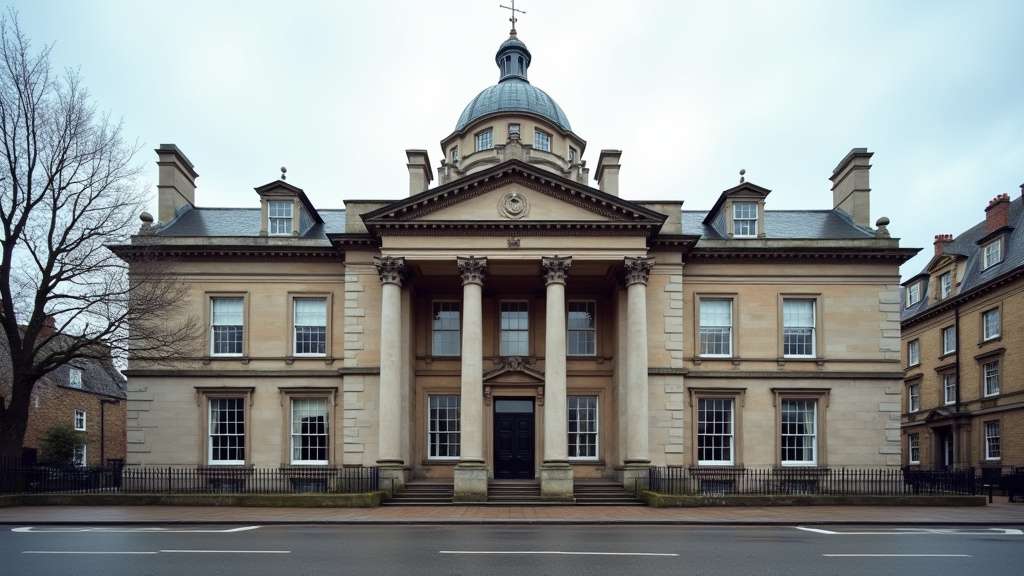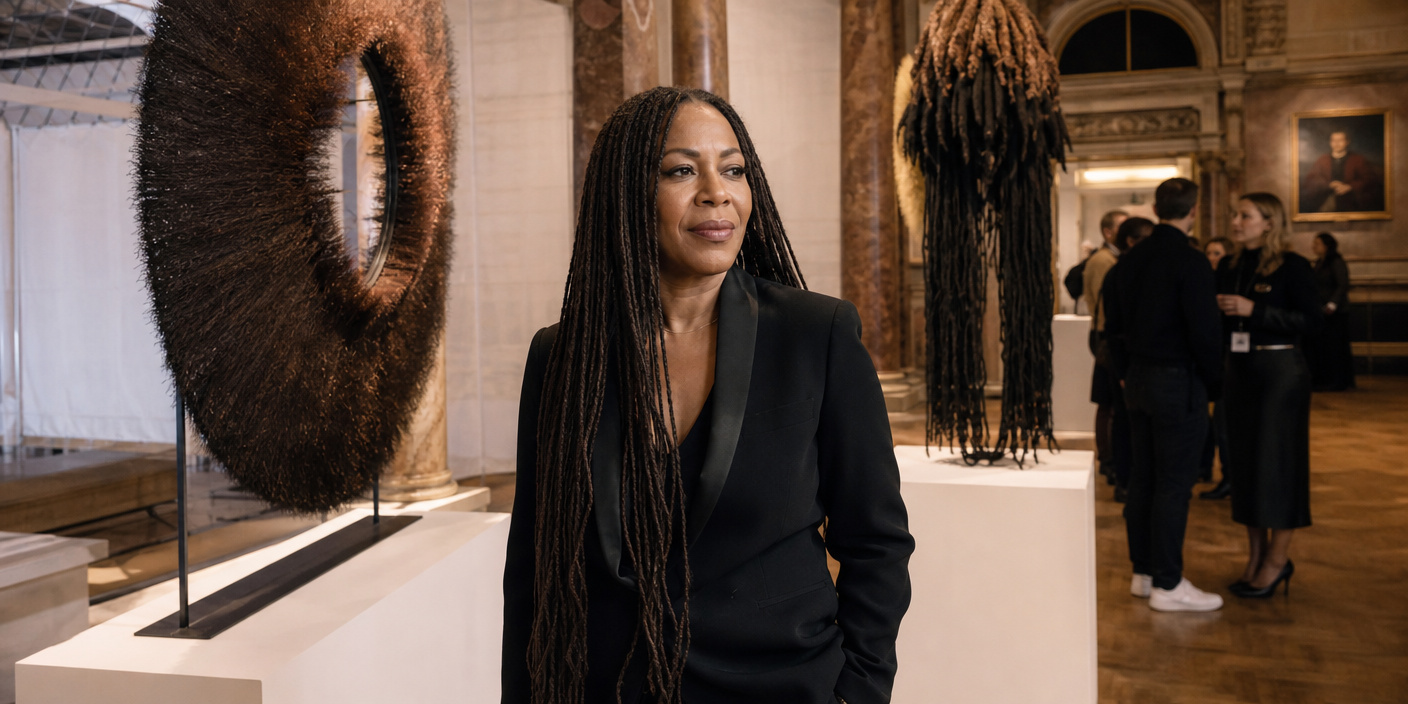
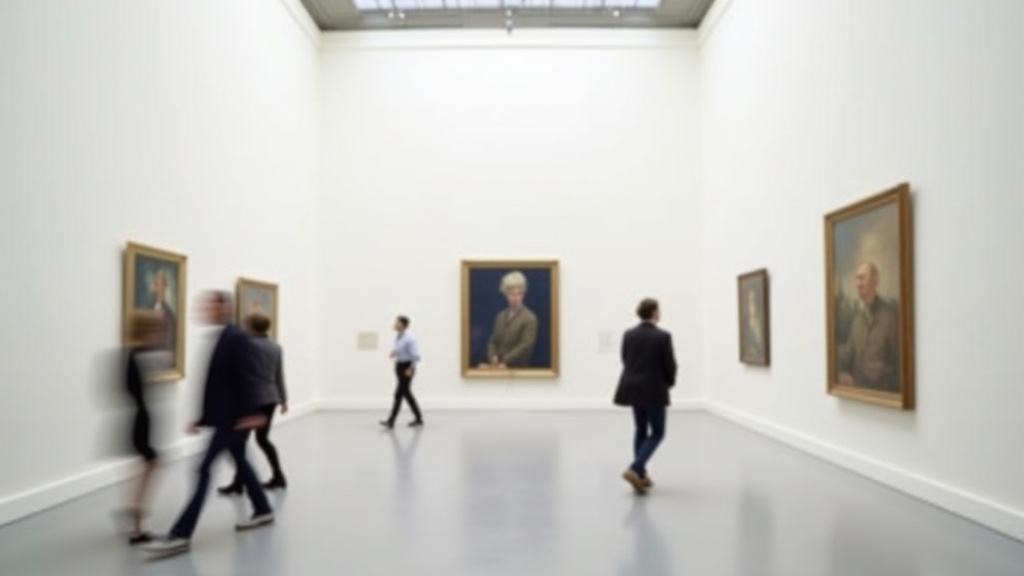
Gagosian is set to transform its Grosvenor Hill location into a masterclass of 20th-century philosophy and aesthetic rebellion with the opening of ‘This Is Still Not a Pipe: The Afterlife of Magritte.’ This highly anticipated, free-to-attend exhibition arrives in London next week, offering the public an unprecedented look at the surrealist icon’s four-decade career. By juxtaposing major works from Magritte’s archives with a curated selection of contemporary responses, the exhibition promises to dissect not only the artist’s technique but the deep, philosophical tremors his work sent through the art world.
Key Highlights
- Venue: Gagosian, Grosvenor Hill, London.
- Exhibition Title: ‘This Is Still Not a Pipe: The Afterlife of Magritte’.
- Access: The exhibition is free to the public, underscoring a commitment to cultural accessibility.
- Scope: Features masterworks spanning four decades of Magritte’s career, paired with contemporary artistic dialogues.
- Core Theme: An exploration of how Magritte’s questioning of language and representation continues to influence modern visual culture.
Deconstructing Reality: The Magritte Phenomenon
René Magritte stands as perhaps the most intellectually provocative figure of the 20th-century Surrealist movement. Unlike many of his contemporaries who leaned heavily into the dream-state and the unconscious, Magritte’s work was characterized by a cold, precise logic—a ‘painted philosophy’ that questioned the very nature of perception. The title of the Gagosian exhibition, ‘This Is Still Not a Pipe,’ is a direct nod to his seminal 1929 work, The Treachery of Images (La trahison des images). In that famous painting, Magritte famously depicted a tobacco pipe with the text ‘Ceci n’est pas une pipe’ (This is not a pipe) written beneath it. By doing so, he forced the viewer to confront the ontological gap between a representation of an object and the object itself.
This upcoming exhibition at Grosvenor Hill does not merely aim to be a retrospective; it seeks to map the ‘afterlife’ of these ideas. It examines how Magritte’s skepticism of the image has permeated everything from post-structuralist philosophy to contemporary digital media and advertising. When we look at the exhibition, we are not just looking at oil on canvas; we are looking at the foundational architecture of how we consume information and visual reality today.
The Anatomy of the ‘Afterlife’ Exhibition
Curatorially, this exhibition is a bold departure from standard retrospectives. Rather than adhering to a strictly chronological narrative, Gagosian has opted for a thematic and dialogue-driven approach. By placing Magritte’s works alongside contemporary artistic responses, the show highlights how the artist’s specific brand of visual dissonance remains a critical tool for modern creators.
Modern artists, often struggling with the deluge of hyper-real digital imagery, find refuge in Magritte’s ambiguity. The exhibition space at Grosvenor Hill—an expansive, Brutalist-inspired environment—serves as the perfect backdrop for this exploration. The high ceilings and stark, clean lines of the gallery allow the paintings to breathe, preventing the clutter that often accompanies large-scale exhibitions. The curation suggests that Magritte’s influence is not a relic of the past but a living, breathing component of the contemporary aesthetic vocabulary.
Philosophy as Visual Art
To understand the gravity of this exhibition, one must appreciate the intellectual rigour Magritte applied to his craft. He was not merely a painter; he was an interrogator of the mundane. He took everyday objects—the bowler hat, the green apple, the blue sky, the window—and stripped them of their functional context. In the exhibition, visitors will encounter these recurring motifs, which served as his vocabulary. By repeating these symbols, he created a private language that, ironically, became globally recognizable.
This exhibition dives deep into the ‘Treachery’ of his work. It poses the question: if the painting is not the pipe, then what is it? It is a signifier, a mental construct, a social agreement. The show encourages guests to interrogate their own relationship with the digital screens they hold in their pockets daily. In an era where AI-generated images and deepfakes are blurring the lines of reality, Magritte’s work feels more urgent than ever before. His ability to remind the viewer that ‘this is not a reality, it is a representation’ is a lesson in critical thinking as much as it is an art lesson.
Economic and Cultural Impact
Hosting such a significant exhibition as a free event is a strategic move for the gallery, serving as a powerful cultural ‘soft power’ play. By removing the barrier of entry, Gagosian ensures a high volume of foot traffic from diverse demographics—students, tourists, and academics alike. This democratization of high art serves to reinforce the gallery’s status as a leader in the global art market. Moreover, it creates a ‘must-see’ buzz that historically drives secondary interest in the artists’ market performance.
Surrealism, as a movement, has seen a resurgence in interest among younger collectors who are drawn to the absurdist elements that mirror the volatility of the current global climate. The ‘Afterlife of Magritte’ serves as a beacon for this demographic, framing Surrealism not as an outdated style but as a precursor to the postmodern condition. The show is expected to be a significant draw for the London art calendar, providing a much-needed intellectual anchor in a season often dominated by commercial spectacle.
FAQ: People Also Ask
Q: Is the René Magritte exhibition at Gagosian London really free to attend?
A: Yes, the exhibition is free and open to the public. However, due to the high profile of the artist and the prestige of the Gagosian gallery, it is highly recommended to check their official website for any pre-booking requirements or capacity guidelines, as popular shows can experience queues.
Q: What is the main theme of the ‘This Is Still Not a Pipe’ exhibition?
A: The exhibition focuses on the ‘afterlife’ of René Magritte’s work, exploring his profound influence on contemporary art and how his questions regarding language, reality, and perception continue to resonate in our modern, image-saturated world.
Q: Which specific works will be on display at the Grosvenor Hill gallery?
A: While a full catalog is typically released closer to the opening, the exhibition features key masterworks from Magritte’s four-decade career, focusing on pieces that showcase his iconic motifs and philosophical approach to surrealism, accompanied by contemporary artist contributions.
Q: Why is the exhibition titled ‘This Is Still Not a Pipe’?
A: The title references Magritte’s famous 1929 painting, The Treachery of Images (La trahison des images), which depicts a pipe with the caption ‘Ceci n’est pas une pipe.’ The ‘Still’ in the new exhibition title suggests a continuation of this inquiry, acknowledging that his questioning of representation is even more relevant today.