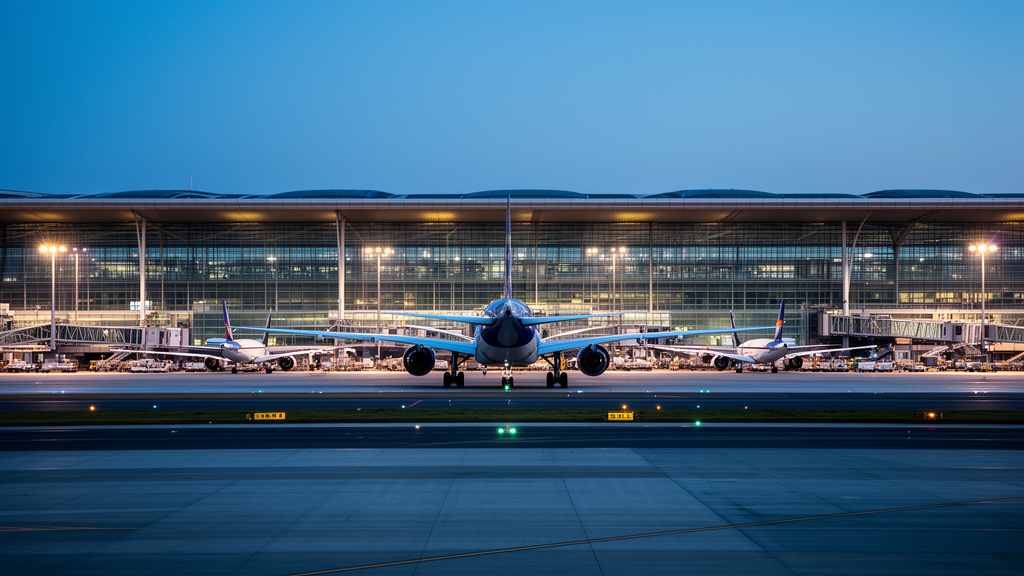
Heathrow passengers face increased travel costs as the UK’s busiest airport secures the green light to recover significant funds spent on its long-stalled third runway project. In a decision that has sparked fierce debate within the aviation industry, the Civil Aviation Authority (CAA) has confirmed that the airport operator is permitted to recover approximately £450 million in ‘early planning costs’ through the airport’s charging mechanism. This development, which directly impacts the price of flight tickets, marks a controversial turning point in the decade-long saga of the Heathrow expansion.
Key Highlights
- £450 Million Recovery: The CAA has authorized Heathrow to recover £450 million in accumulated costs related to the third runway expansion planning.
- Passenger Fee Impact: These costs will be recouped through charges levied on airlines, which are inevitably passed down to passengers in the form of higher airfares.
- Regulatory Approval: The decision stems from the Civil Aviation Authority’s (CAA) review of Heathrow’s Regulatory Asset Base (RAB), allowing the airport to rebalance its accounts.
- Airlines Oppose: Major carriers, most notably International Airlines Group (IAG), have criticized the decision, arguing that passengers should not be liable for the airport’s failed or delayed business investments.
The Regulatory Ruling: A £450 Million Passenger Tab
The recent announcement by the Civil Aviation Authority (CAA) serves as a critical update to the regulatory framework governing Heathrow Airport. For years, the airport has been engaged in a complex, multi-billion-pound effort to construct a third runway, a project intended to cement Heathrow’s status as a global aviation hub. However, as the project faced mounting legal, environmental, and political hurdles, the associated costs ballooned. Under the current regulatory structure, the CAA has determined that these ‘sunk’ costs—expenditures incurred for the purpose of essential planning—are eligible for recovery.
This is not a retroactive tax, but a recalibration of the Regulatory Asset Base (RAB). The RAB model allows airport operators to earn a regulated return on their investments. By officially recognizing the £450 million spent on the expansion project as legitimate investment costs, the CAA has provided Heathrow the legal pathway to incorporate this spending into the future charging structure. In practical terms, this means the ‘per-passenger’ fee that airlines pay to utilize Heathrow’s infrastructure will rise, a cost that will undoubtedly be absorbed by travelers booking flights in the coming fiscal cycles.
Unpacking the RAB Model
To understand why this is happening, one must understand the Regulatory Asset Base model. The RAB model is designed to protect both the operator and the consumer by providing long-term predictability. It guarantees that the airport operator can recover the costs of major capital expenditure over a long period. However, the controversy arises when projects are delayed or effectively mothballed. Critics argue that the RAB model was designed to fund active infrastructure, not to protect the airport from the risks of projects that may never reach completion. By allowing recovery for this specific amount, the CAA is essentially mitigating the financial risk for Heathrow’s shareholders, shifting that risk directly onto the flying public.
Airline Industry Outcry
The reaction from major airlines has been swift and critical. International Airlines Group (IAG), the parent company of British Airways, has been a vocal opponent of Heathrow’s pricing strategies throughout the planning process. The airline industry’s argument is straightforward: infrastructure planning is a speculative business decision made by the airport operator. If an airport decides to pursue a massive expansion, it should bear the financial risk of that planning phase if the project fails or is indefinitely suspended due to environmental concerns or changing government policies.
For airlines, this increase represents an additional layer of overhead in an already volatile market. With fuel prices fluctuating and the post-pandemic recovery still ongoing, carriers are extremely sensitive to increases in airport charges. They argue that this decision sets a ‘moral hazard’ precedent, where airports can engage in ambitious, costly design projects without the fear of financial consequence, knowing the consumer will eventually cover the bill regardless of the outcome.
The Third Runway: A Decade of Delay
To view this news in isolation is to miss the broader context. The project for a third runway at Heathrow has been in a state of limbo since the government gave it the ‘green light’ in 2018. Subsequent legal challenges regarding the UK’s climate change obligations, specifically the Paris Agreement and net-zero targets, put the project into a deep freeze. While the government has not officially cancelled the project, the airport operator has been forced to scale back expectations. The decision to recover these costs is, in many ways, an admission that the project is not moving forward as originally planned, or at the very least, that the original financial assumptions for that project are no longer viable.
This creates a tension between infrastructure growth and environmental policy. Proponents of the expansion argue that without the third runway, the UK will lose its competitive edge against European hubs like Paris-Charles de Gaulle and Amsterdam Schiphol. Conversely, climate groups argue that the cost recovery validates their opposition, suggesting that the expansion was never economically sound to begin with. Regardless of which side one falls on, the immediate economic reality is that the airport has effectively offloaded the financial weight of these lost years onto the passengers.
Future Outlook: What Does This Mean for the Traveler?
For the average traveler, the impact will likely be seen in the ‘airport fee’ component of a ticket price. While these fees are often bundled into the final price displayed on travel comparison sites, they are a significant portion of the total cost. If Heathrow continues to struggle with the regulatory and political environment surrounding its growth, further cost-recovery applications could be on the horizon.
As the UK looks to modernize its transport infrastructure, the Heathrow model will likely be scrutinized by regulators and politicians alike. The question remains: can the UK balance the need for global connectivity with the need for fair, competitive pricing for its citizens? As it stands, the cost of the ‘lost’ runway is being paid for by those who simply wish to fly.
FAQ: People Also Ask
Q: Why are Heathrow passengers paying for a runway that hasn’t been built?
A: Heathrow argued, and the CAA agreed, that the funds were spent on ‘planning and development’ which was authorized and necessary. Under the RAB regulation, the airport is entitled to recover the costs of investment, even if the final project is delayed, provided the expenditure was deemed prudent at the time.
Q: How much will my flight ticket increase?
A: The total amount is £450 million spread over several years. While individual ticket prices will fluctuate based on airline pricing strategies, this cost is a significant overhead that will inevitably be passed on to passengers as part of the airport charges included in every ticket.
Q: Does this mean the third runway is officially cancelled?
A: No. The project has not been cancelled. This decision is purely about the financial recovery of historical planning costs. However, the move suggests that the project is not expected to be operational in the immediate future, prompting the airport to finalize its accounts for this phase of the project.
Q: Who regulates Heathrow’s pricing?
A: The Civil Aviation Authority (CAA) acts as the economic regulator for Heathrow. They have the power to cap charges, but they also must ensure that the airport remains financially viable and capable of attracting investment for future development.