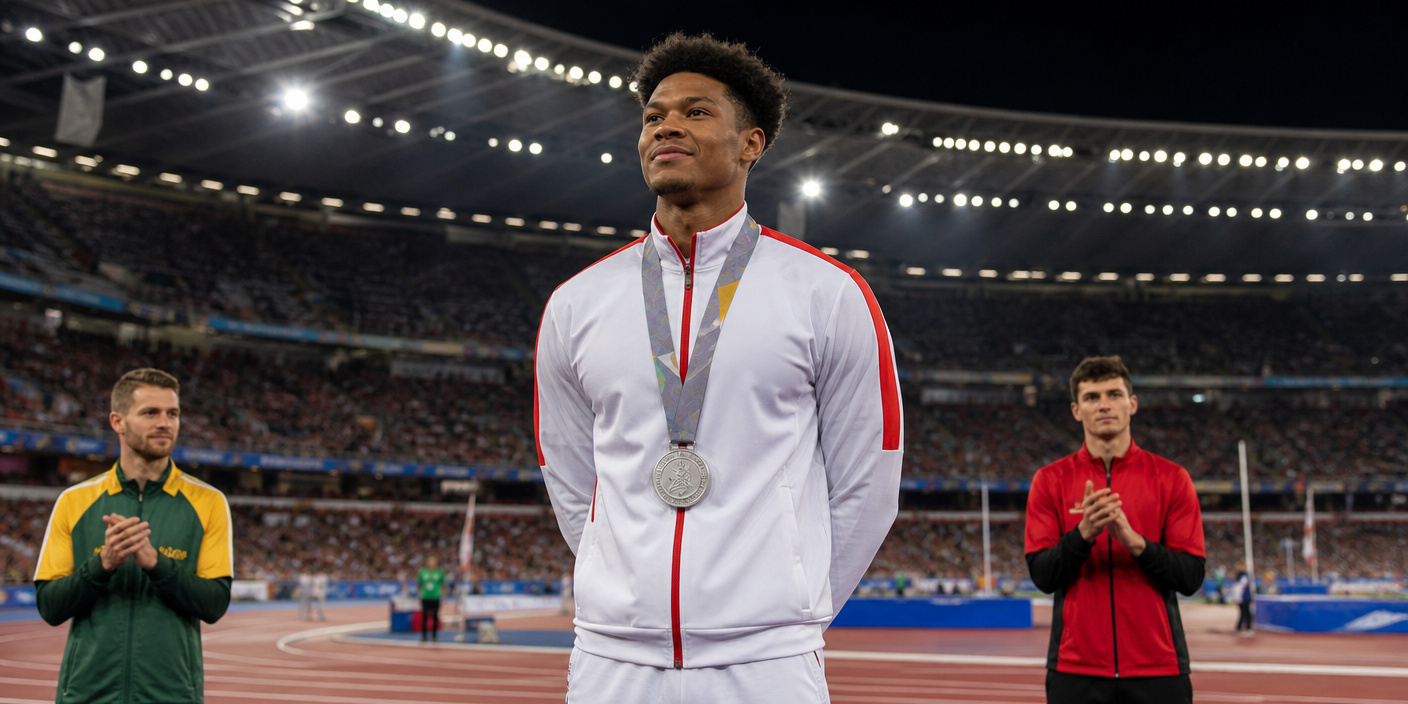
In a display of athletic prowess and profound personal resilience, English athlete Ngake has secured a silver medal at the 2026 Commonwealth Games in Glasgow. The achievement, which electrified the crowd at the main venue, represents more than just a tally for Team England; it serves as a powerful testament to the athlete’s recovery from a period of severe personal hardship involving homelessness. His performance under the pressure of the international stage has been heralded as one of the most compelling narratives of the games thus far, highlighting the grit required to compete at the highest level of elite athletics.
Key Highlights
- Historic Achievement: Ngake clinched the silver medal in his discipline, contributing significantly to England’s medal table standings at the 2026 Glasgow Games.
- Narrative of Resilience: The victory marks a stark turnaround for the athlete, who was struggling with homelessness just years prior to this selection.
- Technical Excellence: Sports analysts have praised Ngake’s tactical discipline and physical conditioning, noting that his preparation cycle was optimized despite his previous lack of stable training infrastructure.
- Team England Impact: This win reinforces England’s competitive positioning in the Commonwealth Games Federation (CGF) rankings, fueling momentum for the remaining event schedule.
From the Streets to the Podium: The Glasgow Redemption
The narrative of Ngake’s rise to the podium at the 2026 Glasgow Commonwealth Games is one that transcends sport, touching on the critical intersection of social mobility and elite athletic performance. For many, the Commonwealth Games are an opportunity to showcase physical dominance; for Ngake, however, the silver medal hanging around his neck represents the culmination of a grueling, years-long struggle to stabilize his life.
The Anatomy of a Comeback
When Ngake first faced the reality of homelessness, the prospect of returning to high-level athletics seemed insurmountable. The financial and psychological toll of housing instability often strips athletes of the structured nutrition, recovery, and training regimens necessary to maintain competitive readiness. Yet, through a combination of personal fortitude and specific interventions from local support organizations, Ngake was able to re-enter the sport. His training in the lead-up to Glasgow 2026 was characterized by unconventional, often makeshift, training methods that prioritized intensity over expensive equipment. Observers noted that his performance in Glasgow demonstrated a ‘hungry’ mindset—an intangible quality often referenced in sports psychology that separates podium finishers from the rest of the pack.
Tactical Execution Under Pressure
At the venue, the atmosphere was thick with anticipation. The Glasgow 2026 organizers had implemented cutting-edge track and facility designs intended to push athletes to their physical limits. Ngake’s path to the silver was not without challenges; the preliminary heats were dominated by favorites from rival nations. However, Ngake’s execution in the final was tactically flawless. By maintaining a conservative energy output in the early stages and executing a perfectly timed surge, he managed to overtake competitors who had struggled with the unique environmental conditions of the Glasgow track. Analysts from the Commonwealth Games Federation (CGF) commented that his pacing reflected the experience of an athlete who has had to fight for every opportunity, displaying a level of composure that rarely falters under the bright lights of a televised final.
Socio-Economic Context and Future Projections
The wider implications of Ngake’s success are significant. His journey highlights the importance of the support infrastructure provided by Team England and the broader sports community. As housing and cost-of-living crises continue to affect various demographics, success stories like Ngake’s bring much-needed attention to the necessity of sport as an accessible pathway for social reintegration. Looking ahead, this silver medal is likely to open doors for endorsements and long-term athletic sponsorship, which are essential for sustaining his career beyond the current cycle. Experts suggest that if Ngake can maintain this current trajectory and access the, now, stable training environments he has earned, he is a primary contender for gold in the upcoming international championships.
The Resilience Factor
Sporting resilience is often spoken of in abstract terms, but in Ngake’s case, it is tangible. The transition from survival mode to championship mode is a cognitive shift that few are asked to make under such public scrutiny. His ability to compartmentalize his past difficulties and focus entirely on the demands of the race in Glasgow showcases a mental toughness that has earned him respect not just from fans, but from his peers and competitors. The English contingent has been vocal about his role as a team leader, citing his story as a source of inspiration for younger athletes entering the circuit.
FAQ: People Also Ask
1. What specifically did Ngake win at the 2026 Glasgow Commonwealth Games?
Ngake secured a silver medal. His achievement has been highlighted as a pivotal moment for Team England, reflecting his exceptional recovery and dedication to the sport.
2. How did Ngake’s background influence his performance?
His experience with homelessness meant that he had to overcome significant barriers regarding access to training facilities and proper nutrition. This adversity cultivated a unique ‘grind’ and mental fortitude, which he utilized effectively during high-pressure competition at the games.
3. Is this Ngake’s first major international medal?
While he has competed in various stages of his career, this silver medal at the 2026 Commonwealth Games stands as the most prominent international achievement of his career, marking his successful return to the top tier of elite athletics.
4. What does this win mean for Team England’s standing?
The medal significantly bolsters Team England’s performance in the 2026 games. Beyond the medal count, it has provided a major morale boost to the entire squad, emphasizing the strength and depth of the English athletic development program.