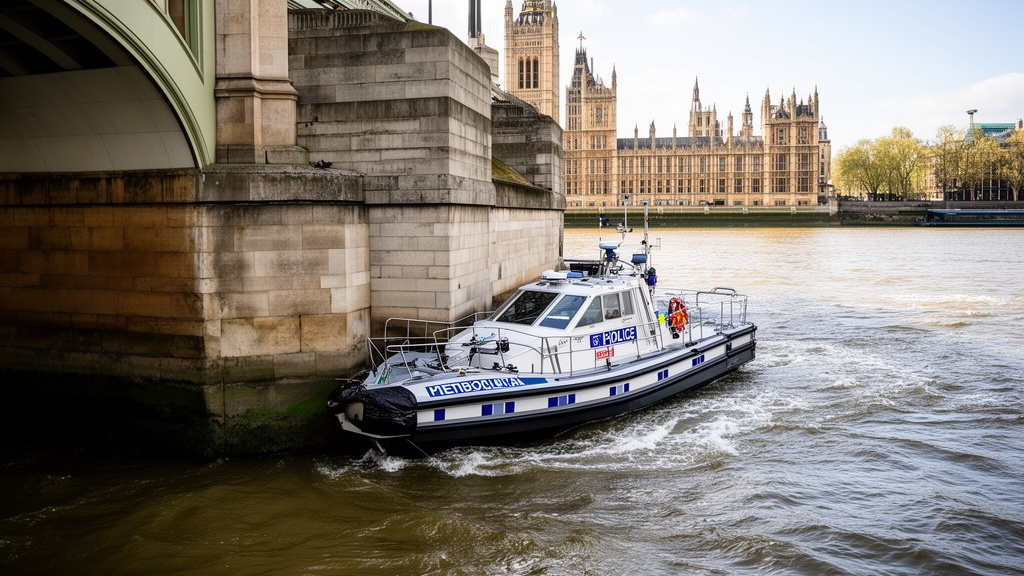
On Friday, July 24, 2026, a routine patrol turned into a major emergency on the River Thames when a Metropolitan Police boat collided with the structure of Westminster Bridge, resulting in five officers being thrown overboard. The incident, which occurred in the heart of London, triggered an immediate response from nearby emergency services and has since launched a comprehensive investigation into the factors surrounding the crash.
Key Highlights
- Incident Location: Westminster Bridge, central London, River Thames.
- Date & Time: Friday, July 24, 2026.
- Casualties: Five Metropolitan Police officers were thrown into the Thames; injuries have been confirmed and are currently being treated.
- Status: An official investigation is underway involving the Metropolitan Police and relevant maritime authorities.
- Response: Emergency protocols were enacted immediately, with nearby vessels assisting in the recovery of the officers.
Anatomy of the Incident on the Thames
The incident began on Friday afternoon when a vessel operated by the Metropolitan Police Marine Policing Unit was navigating the stretch of the River Thames near Westminster Bridge. According to initial reports, the vessel made contact with the bridge’s masonry, a significant impact that destabilized the craft and ejected five officers into the water. The Thames, known for its swift currents and complex tidal patterns, presents a challenging environment even for seasoned marine professionals.
Following the collision, the area was quickly cordoned off as emergency personnel scrambled to assist the officers in the water. Eyewitnesses near the South Bank and the Houses of Parliament reported hearing a significant thud, followed by the arrival of sirens and additional river patrol boats. The speed of the response was critical in ensuring the safety of the affected officers, all of whom were retrieved from the river.
Investigating the Collision
The Metropolitan Police have confirmed that the incident is now under formal review. A primary objective of the investigation will be to determine the mechanical and human factors that contributed to the vessel’s collision with such a prominent piece of infrastructure. Investigators are expected to review internal navigation logs, maintenance records of the vessel, and witness testimonies. Furthermore, the Port of London Authority is likely to play a central role in analyzing the vessel’s path and the conditions of the river at the time of the crash.
The High-Stakes World of Marine Policing
Operating in central London involves navigating one of the most complex waterways in the United Kingdom. The River Thames acts not only as a vital transport artery but also as a high-security zone given the proximity of iconic landmarks such as the Palace of Westminster. Marine officers are tasked with ensuring the security of these areas, a job that requires precise maneuvering in limited spaces.
Navigating the Urban Waterway
The collision highlights the inherent risks faced by marine units. Unlike street-level policing, marine operations must account for dynamic variables such as tidal shifts, heavy commercial traffic, and the structural density of bridge supports. Westminster Bridge, with its multiple arches and heavy currents flowing between the piers, creates a technical environment where the margin for error is razor-thin. This incident will undoubtedly reignite discussions regarding the specific training protocols and technological aids used by the Marine Policing Unit when operating in close proximity to historic bridge infrastructure.
Historical Context of the Thames
Westminster Bridge has stood as an iconic gateway to central London for over a century, but it is also a site where waterborne incidents are not entirely unheard of. The river’s speed can be deceptive, and the interplay between the bridge’s massive stone piers and the flow of water creates turbulent pockets that can affect small-to-medium-sized vessels. Historical records suggest that navigation near these structures requires constant vigilance, and this recent accident underscores the vulnerability of even the most sophisticated modern police craft when faced with the raw power of the Thames.
Future Implications for Marine Security
In the aftermath of the crash, the Metropolitan Police are expected to conduct a fleet-wide safety review. This could involve an audit of current steering technologies, safety gear requirements for officers on deck, and potential adjustments to patrol routes near busy thoroughfares. As London’s river traffic continues to increase, the safety of both the public and law enforcement personnel remains a priority for the Mayor’s Office and the Metropolitan Police Commissioner. The outcome of the ongoing investigation will likely set new standards for how marine units conduct patrols in the central London corridor, ensuring that such an event does not recur.
FAQ: People Also Ask
What is the current condition of the officers involved?
The Metropolitan Police have confirmed that five officers were thrown into the water. While they have acknowledged that injuries were sustained, specific details regarding the severity of the medical conditions are being handled with privacy, and official updates will be provided as the recovery process continues.
Is Westminster Bridge damaged?
Structural assessments are ongoing. Engineers from the relevant London transport authorities are working to determine if the collision caused any lasting damage to the bridge’s masonry or integrity. At this time, no closures have been confirmed beyond the immediate site of the incident.
Who is investigating the crash?
The investigation is being led by the Metropolitan Police in conjunction with maritime safety regulators. The Port of London Authority is also providing assistance, given their jurisdiction over the safety of navigation on the River Thames.
Were any civilians involved in the accident?
Early reports indicate that the incident involved only the police vessel. No other commercial or private vessels were reported as involved in the collision, and no civilians were harmed during the event.