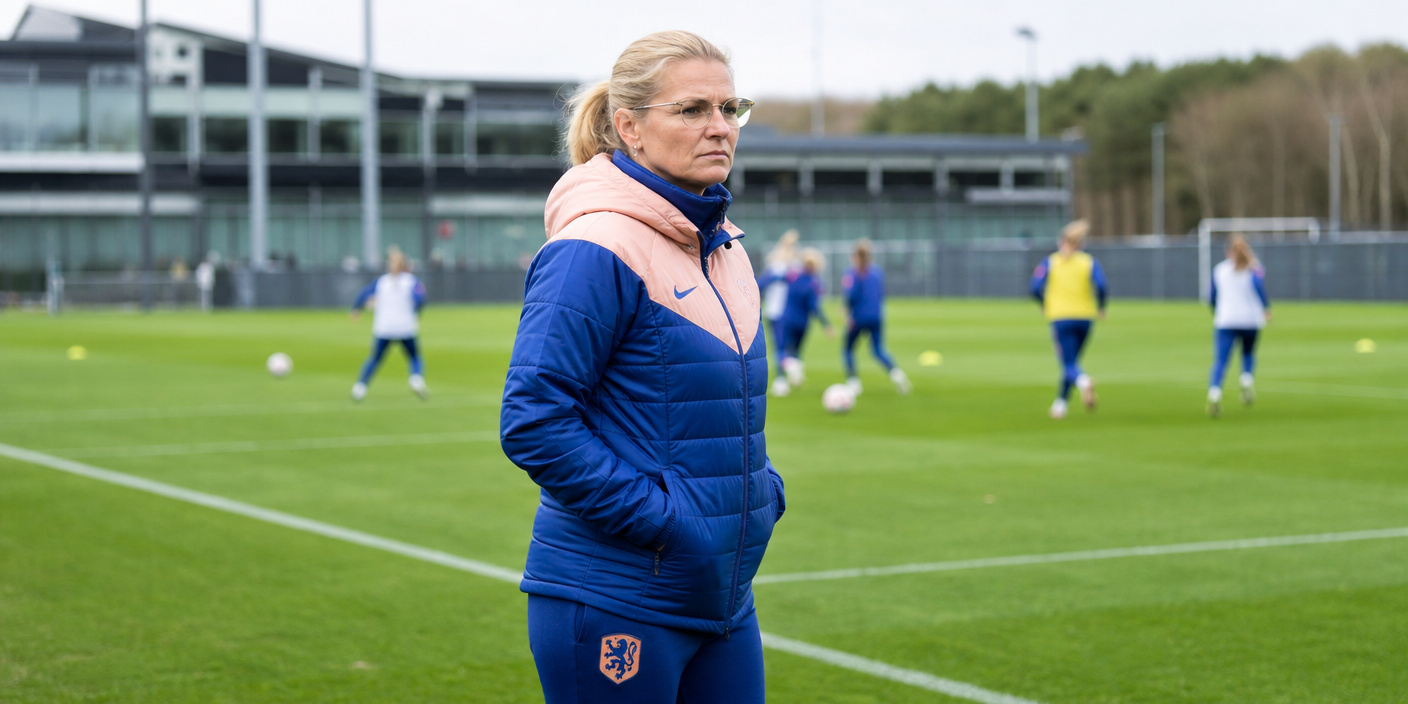
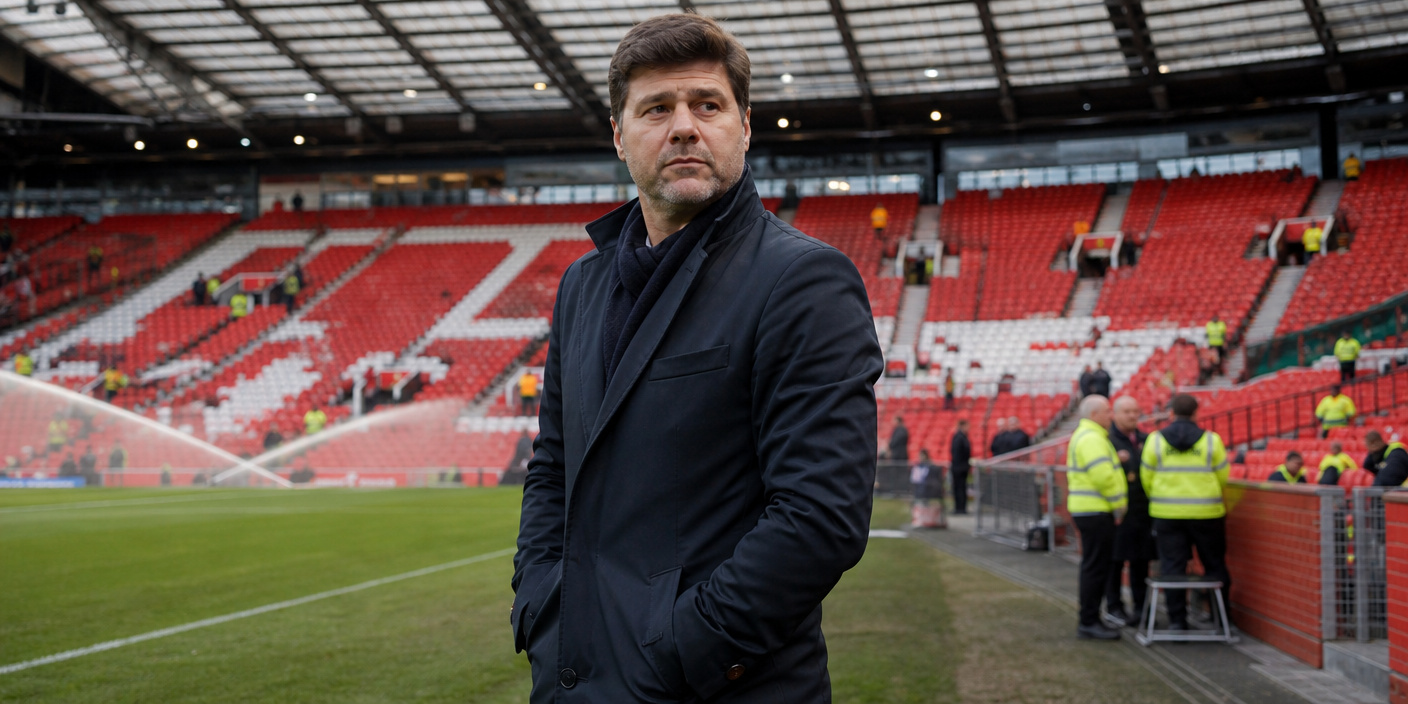
In a dramatic maneuver that has sent shockwaves through the footballing world, Mauricio Pochettino has been confirmed as the new manager of Manchester United. The Argentine tactician officially vacates his post as head coach of the United States Men’s National Team (USMNT) to accept the vacancy at Old Trafford, tasked with the Herculean effort of reversing the club’s worst start in 40 years. With Manchester United currently languishing in 18th place in the Premier League, Pochettino’s appointment is seen as a desperate, high-stakes attempt to restore stability and tactical identity to a club that has drifted into disarray.
- USMNT Departure: Mauricio Pochettino steps down from his role leading the USMNT, prioritizing the immediate needs of Manchester United over international obligations.
- Historic Crisis: United currently sit in 18th place in the Premier League table, marking the club’s poorest league start in over four decades.
- Strategic Overhaul: The appointment signals a pivot toward Pochettino’s signature high-pressing, structured philosophy to stabilize the struggling squad.
- Immediate Pressure: With relegation concerns looming, the new manager faces a condensed timeline to implement his system before the winter transfer window.
The Old Trafford Resurrection: Pochettino’s Toughest Tactical Challenge
The arrival of Mauricio Pochettino at Old Trafford brings a sharp focus on the immediate operational failures that have plagued Manchester United this season. Sitting in 18th place, the club is in genuine danger of slipping further into the abyss of the bottom half, a reality that would have been unthinkable a few years ago. The gravity of this situation cannot be overstated; the statistics confirm this is the worst start to a campaign since the early 1980s, creating an atmosphere of palpable anxiety among the fan base and the board of directors alike.
The Shift from International to Club Management
Pochettino’s decision to abandon the USMNT project, which was largely viewed as a long-term initiative to prepare the nation for the 2026 World Cup, highlights the allure and the gravity of the Manchester United job. Managing a club of United’s stature is a task unlike any other, characterized by immense commercial scrutiny, global media pressure, and an often-disjointed squad built over several disjointed transfer cycles. By stepping away from the USMNT, Pochettino acknowledges that the Manchester United project requires his undivided attention. He inherits a team that lacks cohesion, defensive resilience, and a clear attacking identity. The transition from international football, which relies on sporadic gatherings, to the relentless, week-to-week grind of the Premier League will be a test of his stamina and tactical adaptability.
Analyzing the 18th-Place Disconnect
The current 18th-place standing is a byproduct of systemic issues rather than mere bad luck. Analyzing the data, United has struggled significantly in transition defense and has been unable to dominate possession effectively against lower-tier teams. Pochettino, known for his ‘Poch-pressing’ style, aims to introduce a high-energy, aggressive defensive line that forces turnovers high up the pitch. This will be a significant shift for a roster that has recently favored a more reactive, counter-attacking stance. The challenge lies in the personnel; the current squad possesses individuals capable of explosive moments but lacks the collective tactical discipline to maintain control for ninety minutes.
Financial and Structural Implications
Beyond the pitch, the financial implications of this hiring are substantial. The compensation package to secure Pochettino—effectively buying him out of his USMNT contract—demonstrates the ownership’s willingness to invest to avoid the catastrophe of a relegation battle. However, money alone cannot fix the underlying structural problems at the club. The Sporting Director and the recruitment team will now have to align their strategy entirely with Pochettino’s specific requirements. This means the upcoming transfer windows will likely focus on high-work-rate players rather than high-profile ‘marquee’ signings that have defined previous eras of United recruitment. The success of this move will be measured not just by points, but by the tangible development of a distinct, sustainable style of play that the club has lacked for years.
FAQ: People Also Ask
Why did Mauricio Pochettino choose to leave the USMNT so suddenly?
It is understood that the scale of the crisis at Manchester United presented an offer Pochettino could not refuse. While committed to the USMNT, the opportunity to reshape a global giant like Manchester United offered a professional challenge of a magnitude that few managers can turn down, especially given the club’s current historic decline.
What are the primary tactical changes fans can expect?
Pochettino is expected to implement a high-pressing system that requires extreme fitness and tactical awareness. Expect the squad to push the defensive line higher, demand more off-the-ball movement, and focus on winning the ball back in the opposition’s final third.
Can he realistically guide United out of the relegation zone?
Given the quality of the individual players, most pundits believe the squad is underperforming. With a change in management, the ‘new manager bounce’ is a common phenomenon in the Premier League. Pochettino’s pedigree suggests he has the capability to stabilize the defense and grind out results, but his long-term success depends on changing the club’s internal culture.