
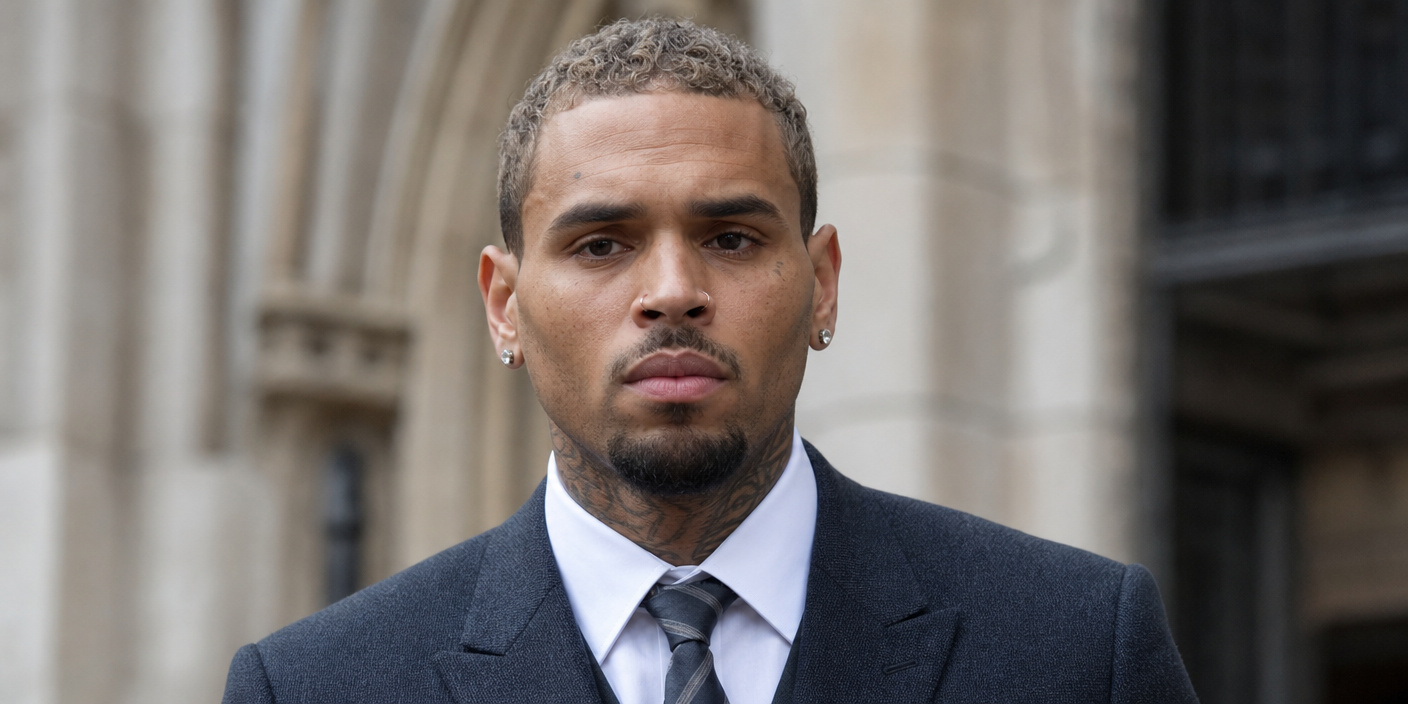
Singer and performer Chris Brown has officially entered a guilty plea regarding an incident of affray at a London nightclub, marking a definitive turn in a legal matter that has drawn significant attention since the event occurred in September 2023. The Grammy-winning artist acknowledged his involvement in the confrontation at TAPE London, a well-known venue in Hanover Square, bringing the specific criminal charge to a resolution within the British legal system.
Key Highlights
- Formal Plea: Chris Brown has pleaded guilty to the charge of affray, a legal classification under the Public Order Act 1986.
- Incident Location: The altercation took place in the early hours of September 4, 2023, at TAPE London, an exclusive nightclub located in Mayfair.
- Legal Context: The charge relates to a confrontation with an individual named Abiodun Olabiwonninu during the artist’s visit to the United Kingdom.
- Resolution: The plea marks the conclusion of the immediate criminal proceedings regarding the affray charge at the court level.
Resolving the London Nightclub Confrontation: A Legal Analysis
The case of Chris Brown’s guilty plea in London serves as a notable intersection between global celebrity status and the complexities of international criminal law. The charge of ‘affray,’ while distinct from more severe violent offenses, carries specific weight in the United Kingdom, defined under Section 3 of the Public Order Act 1986. An affray is committed if a person uses or threatens unlawful violence towards another and their conduct is such as would cause a person of reasonable firmness present at the scene to fear for their personal safety.
The Anatomy of the September 2023 Incident
On September 4, 2023, TAPE London, a staple of Mayfair’s exclusive nightlife circuit, became the backdrop for the altercation. The venue, known for hosting high-profile international entertainers, saw an escalation in activity that eventually brought in the Metropolitan Police Service. Following investigations into the conduct of those present, the legal focus eventually centered on the actions of Mr. Brown.
For months, the incident remained a point of public and legal scrutiny. By pleading guilty, Brown has accepted responsibility for his specific conduct during the confrontation. In the UK legal system, an affray charge often requires evidence not just of a struggle, but of a broader disturbance that impacts the environment around the participants. This differentiates it from simple assault or battery and frames it as a disruption of public order, which is why the location—a public-facing nightclub—was central to the prosecution’s case.
Navigating the UK Justice System
For international performers, navigating the British legal system requires adherence to strict statutes. The UK’s approach to nightlife disturbances is often robust, utilizing public order legislation to maintain safety in high-density entertainment districts like Mayfair. The resolution of this case at a London court highlights the consistency with which such laws are applied, regardless of the fame or international stature of the defendant.
When celebrity figures are involved in legal disputes abroad, the fallout is often compounded by media visibility. The prosecution of this case was followed closely by international entertainment outlets, not only due to the stature of the individual involved but also because it raises questions about the security and conduct expectations for A-list celebrities when operating outside their home jurisdiction.
Secondary Angles: The Future of Touring and Celebrity Conduct
This legal development prompts several considerations regarding the future of international touring and the standards of conduct expected in global nightlife hubs.
1. Visa and Entry Implications: Legal convictions, even for non-felony offenses like affray, can sometimes complicate travel logistics for international artists. Future tours, not just for Brown but for any performer facing similar charges, often necessitate closer scrutiny by immigration authorities regarding ‘crimes of moral turpitude’ or general admissibility requirements, depending on the severity of the sentence and local legislation.
2. The Shift in Nightlife Security: Venue owners and celebrity management teams are increasingly re-evaluating the ‘VIP’ dynamic. Clubs like TAPE London operate at the intersection of privacy and public accessibility. Incidents like this suggest a need for more rigorous internal security protocols that can de-escalate tension before it reaches the threshold of police intervention.
3. The Digital Dissemination of Private Incidents: In the era of smartphones, any interaction involving a high-profile figure is instantly documented. This case highlights how ‘private’ disputes in clubs are effectively ‘public’ events, limiting the ability for celebrities to resolve conflicts privately without the potential for immediate escalation into a criminal investigation.
Ultimately, the formal guilty plea serves as a bookend to this specific legal challenge, allowing all parties to move forward, while also acting as a stark reminder of the legal consequences associated with public disturbances in the UK.
FAQ: People Also Ask
1. What is the difference between affray and assault?
In the UK, assault is generally an act that causes another person to fear immediate unlawful violence or the application of force. Affray, under the Public Order Act 1986, is broader; it involves the use or threat of unlawful violence, but the focus is on the impact of that conduct on the public or bystanders, essentially creating a disturbance that would make a reasonable person fear for their safety.
2. Will this conviction affect Chris Brown’s ability to travel?
While a conviction for affray is significant, its impact on international travel depends heavily on the specific immigration laws of the countries he intends to visit. Different nations have distinct thresholds for criminal admissibility. He will likely need to consult with international counsel to manage his touring schedule effectively.
3. Why did this case take place at TAPE London?
Events like this occur at high-end venues like TAPE London because these locations are frequent hubs for celebrity travel. The combination of exclusive environments, large crowds, and public scrutiny creates a volatile atmosphere where disagreements can escalate quickly from private disputes to police-involved public order incidents.
4. Was anyone else charged in this incident?
Legal reports regarding the incident at TAPE London focused on the specific actions of Chris Brown. While multiple parties may be involved in a nightclub confrontation, the primary legal focus in this instance was the charge against the singer himself.