
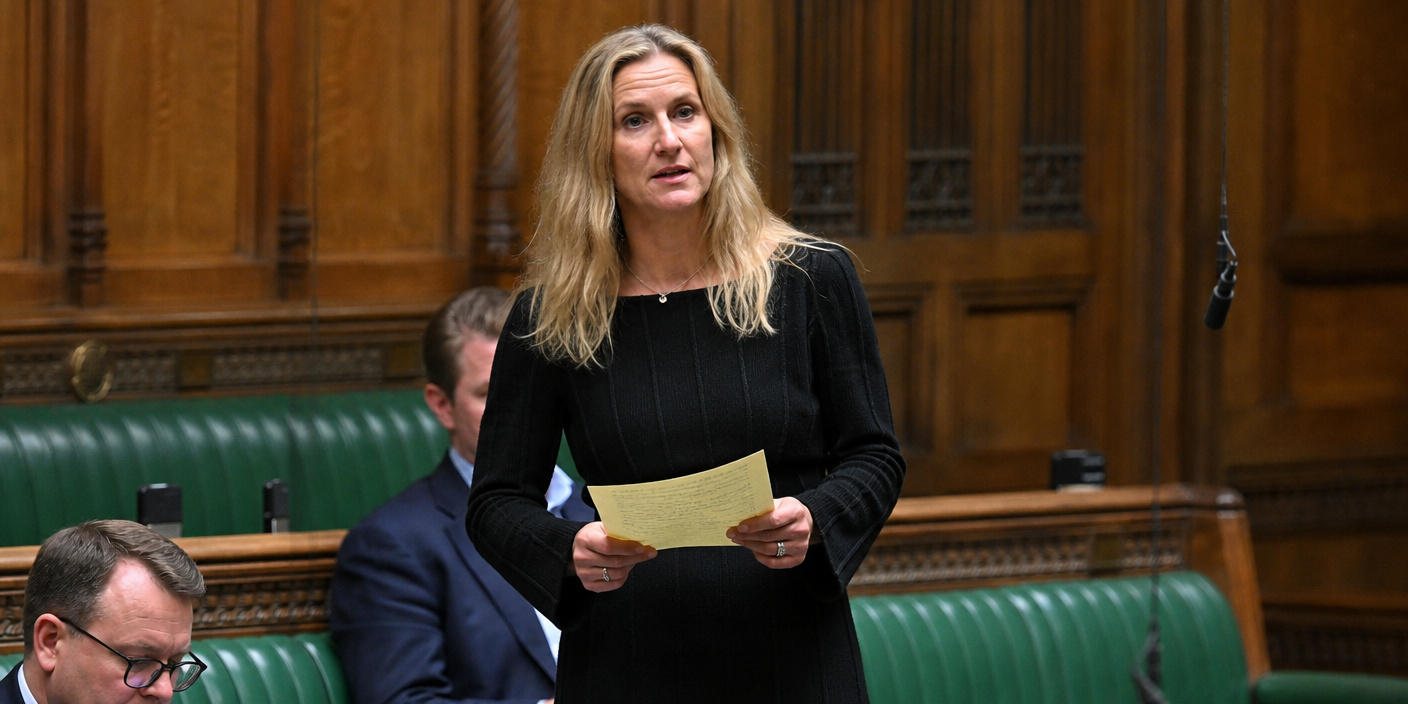
The UK House of Commons has decisively rejected a landmark proposal to legalize assisted dying, halting the progress of the Terminally Ill Adults (End of Life) Bill following an impassioned and divisive debate. The rejection of the bill, spearheaded by Labour MP Kim Leadbeater, marks the end of the latest legislative effort to alter the legal framework surrounding end-of-life care in England and Wales, leaving the current prohibition firmly in place.
Key Highlights
- Vote Outcome: The bill was defeated by a margin of 16 votes, with 286 MPs voting against the proposal and 270 voting in favor.
- Legislative Goal: The Terminally Ill Adults (End of Life) Bill sought to provide legal, medically assisted dying for terminally ill adults with six months or less to live.
- Safeguards Debated: The legislation proposed strict safeguards, including sign-offs from two independent doctors and a High Court judge, but failed to satisfy the concerns of a majority of lawmakers.
- Current Status: The existing laws, which classify assisted dying as a criminal offense, remain unchanged in England and Wales.
The Legislative Deadlock: Inside the Commons Vote
The defeat of the Terminally Ill Adults (End of Life) Bill on November 29, 2024, represents a pivotal moment in contemporary British parliamentary history. The vote followed a lengthy and intensely personal debate that bridged party lines, reflecting the deep-seated moral, ethical, and practical disagreements that characterize the issue of assisted dying. For proponents, the bill represented a necessary evolution of human rights, offering terminally ill patients the autonomy to end their suffering with dignity. For opponents, it represented a dangerous shift that threatened the sanctity of life and created irreversible risks for the most vulnerable members of society.
The Mechanics of the Proposed Bill
The legislation, introduced by Kim Leadbeater, was framed as a “compassionate and safe” option for those suffering from terminal illnesses. Under the proposed framework, eligible adults would have had to meet stringent criteria to qualify for assistance. The requirement for a diagnosis of a terminal illness with a prognosis of six months or less to live was central to the bill’s design.
Furthermore, the bill included a multi-layered approval process. Not only would two independent doctors—one of whom would be a specialist in the patient’s condition—have been required to confirm the prognosis, but a High Court judge would also have had to review the case. This was intended to ensure that the patient was not acting under duress and was of sound mind. Despite these rigorous checks, the complexity of these requirements became a focal point for both supporters and critics, with the former arguing it was too restrictive and the latter arguing it was still susceptible to “slippery slope” erosion.
The Ethical Tug-of-War
The parliamentary chamber was a theater of intense emotional discourse. Supporters argued that the current status quo effectively forces individuals to endure prolonged, unnecessary agony or to travel abroad to countries like Switzerland for end-of-life procedures—an option only available to those with significant financial means. They positioned the bill as a matter of social justice and individual agency.
Conversely, opponents, including prominent MPs from both Conservative and Labour benches, focused on the potential impact on healthcare infrastructure and the societal perception of the disabled and elderly. Many expressed fears that the normalization of assisted dying would inevitably lead to pressure—either perceived or actual—on the terminally ill to end their lives early to save families the emotional and financial burden of care. This “right to die” vs. “duty to die” argument proved to be the decisive factor in swaying undecided MPs.
Parliamentary Protocol and Future Implications
The defeat of the bill does not signal the end of the conversation, but it does place the issue on the parliamentary backburner for the foreseeable future. The process of private members’ bills is notoriously difficult, requiring a high degree of consensus that was clearly absent in this vote. The government remained neutral, allowing for a free vote, which meant the outcome was entirely dependent on individual conscience rather than party whips.
Looking forward, advocates for assisted dying may need to rethink their legislative strategy. The narrow margin of the vote—286 against to 270 in favor—suggests that while a majority of the House was not convinced by the specific protections in this iteration, there is a substantial bloc of lawmakers who are open to the concept of legislative reform. Future attempts will likely need to address the specific concerns regarding medical oversight, the potential burden on the National Health Service (NHS), and the safeguards for the disabled community with even greater precision.
Public Sentiment vs. Political Reality
There is a notable disconnect between the parliamentary outcome and broader public opinion. Consistent polling throughout the duration of the debate suggested that a majority of the UK public supports some form of assisted dying legislation. However, the legislative process prioritizes the deliberation of elected representatives, who must weigh broad public support against the warnings of medical professionals, disability rights groups, and religious organizations. The challenge for future proponents will be to bridge this gap, perhaps by focusing on a more granular legislative approach or by seeking a Royal Commission to thoroughly investigate the systemic risks and benefits before bringing another bill to the floor.
FAQ: People Also Ask
1. What specifically does the rejection of the bill mean for current law?
The rejection means that the current laws in England and Wales remain unchanged. Assisting or encouraging a suicide remains a criminal offense under the Suicide Act 1961, carrying a potential prison sentence of up to 14 years.
2. Was this a government-led bill?
No, it was a Private Member’s Bill introduced by Labour MP Kim Leadbeater. The government allowed a “free vote,” meaning MPs were not pressured by party leadership to vote along party lines.
3. Will there be another attempt to legalize assisted dying?
While nothing is officially scheduled, the issue remains a prominent topic of public discourse. Given the narrow margin of the vote, it is highly likely that similar legislation will be proposed again, though it may require significant revisions to gain majority support.
4. What were the main arguments against the bill?
Critics argued that the bill could lead to the devaluation of life, that safeguards could be undermined over time, and that healthcare systems might prioritize assisted dying over palliative care options.