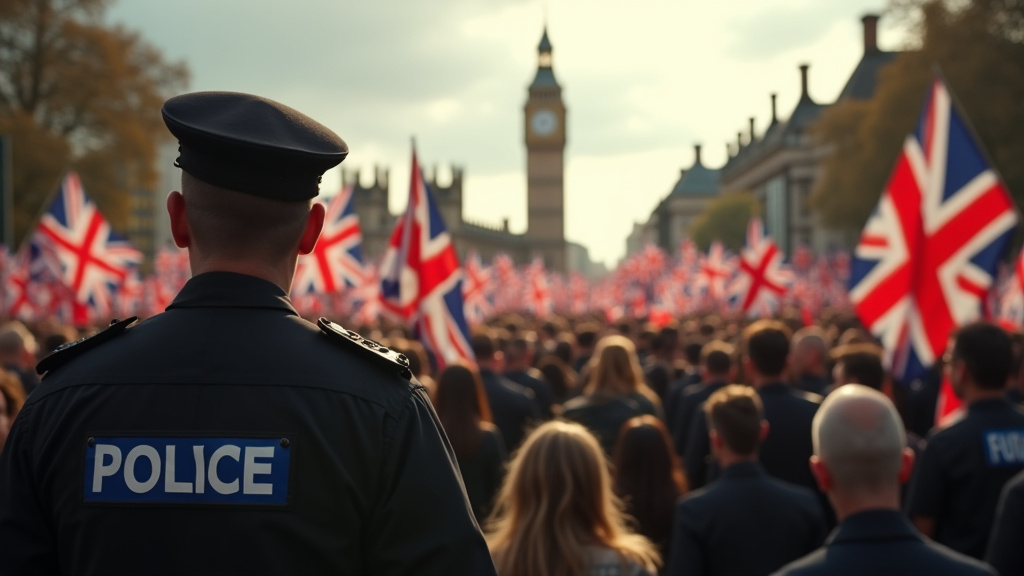
London witnessed an unprecedented mobilisation of the far-right on September 13, 2025, as an estimated 110,000 to 150,000 people participated in the “Unite the Kingdom” rally organized by activist Tommy Robinson. This demonstration, described by many observers as the largest far-right gathering in UK history, underscored a significant surge in anti-immigrant sentiment that has been trending across the nation and Europe. The event, however, was marred by clashes with police and counter-protesters, resulting in numerous injuries and arrests.
Unprecedented Scale and Inflammatory Rhetoric
The “Unite the Kingdom” rally, organized by Stephen Yaxley-Lennon, widely known as Tommy Robinson, a prominent figure in anti-Islam campaigning and founder of the English Defence League, dwarfed previous far-right demonstrations in the UK. Marchers filled central London, culminating in Whitehall, waving Union Jack and St George’s flags. The rally was billed as a “festival of free speech,” but speakers, including French far-right politician Éric Zemmour and US billionaire Elon Musk via video link, amplified themes rooted in conspiracy theories and exclusionary rhetoric.
Éric Zemmour explicitly invoked the “Great Replacement” narrative, claiming “our European people are being replaced by peoples coming from the south and of Muslim culture,” and stating, “You and we are being colonised by our former colonies.” Elon Musk delivered a stark message, warning protesters that “violence is coming to you” and that “you either fight back or you die,” while also condemning the UK government’s approach to immigration. Tommy Robinson himself told the crowd that migrants had more rights than “the British public, the people that built this nation”.
A Summer of Rising Tensions
The “Unite the Kingdom” rally did not occur in a vacuum. It was seen as the culmination of a summer marked by increasing anti-immigrant sentiment and numerous protests across the UK targeting hotels housing asylum seekers. These protests, often fueled by misinformation and anxieties about immigration levels, highlighted a growing divide within British society. Public opinion data indicates that while attitudes towards the economic and cultural impacts of immigration have become more positive in some regards, a majority of Britons still wish to see immigration levels reduced.
Confrontation and Consequences
While many participants were peaceful, a minority engaged in violent confrontations with police and counter-protesters from groups like Stand Up To Racism, who organized a “March Against Fascism” with an estimated 5,000 attendees. The Metropolitan Police reported that 26 officers were injured, with four sustaining serious injuries, including broken teeth and concussions. At least 25 individuals were arrested for offenses including violent disorder, assaults, and criminal damage, with police indicating further arrests were likely as investigations continued. The Home Secretary condemned the violence, vowing that those responsible would face legal consequences.
Broader European Context and Societal Impact
The scale of the London rally reflects a broader trend of rising far-right influence across Europe. Far-right parties have seen increased support in many EU member states and have gained a more significant presence within the European Parliament, influencing political discourse and policy-making. This surge in the UK news cycle and the accompanying rhetoric raise profound questions about the future of British culture, society, and its commitment to tolerance and diversity. Experts and commentators noted that the event signals a mainstreaming of fringe politics and has intensified concerns about discrimination and social cohesion, particularly for vulnerable communities.
A Nation Divided
The “Unite the Kingdom” rally served as a stark illustration of the deep divisions within British society regarding immigration and national identity. The unprecedented turnout, combined with the inflammatory nature of the speeches and the violent clashes, has prompted widespread soul-searching about the direction of politics and the health of the nation’s social fabric. The event has undeniably brought the concerns of a significant segment of the population to the forefront, but the divisive nature of the rhetoric and the resulting disorder highlight the ongoing challenges in navigating these complex issues.