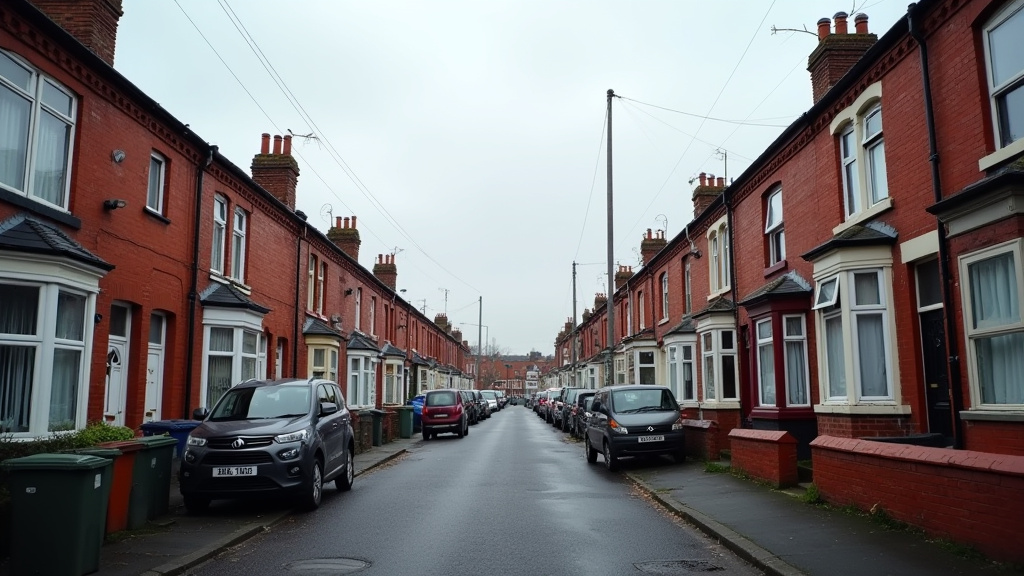
For hundreds of residents in East London housing blocks, the simple act of turning on a tap has become a daily gamble. Over the past year, these tenants have been forced to navigate a harrowing reality: living without consistent, reliable running water in their own homes. This ongoing failure is not merely a technical glitch but a symbol of a systemic crisis in UK social housing, where maintenance negligence has left families and individuals in a state of indefinite precariousness.
Key Highlights
- Duration of Crisis: Residents have been subjected to intermittent or non-existent water supply for over 12 months.
- Scale of Impact: Hundreds of tenants across multiple blocks in East London are affected, causing severe disruption to hygiene, cooking, and daily sanitation.
- Maintenance Failure: Reports indicate a breakdown in infrastructure management, with local housing authorities failing to implement long-term repairs.
- Regulatory Pressure: The ongoing situation has prompted urgent calls for government intervention under the Social Housing (Regulation) Act 2023.
The Crumbling Foundation: A Deep Dive into the London Water Crisis
The situation facing East London residents is a stark illustration of ‘managed decline’ within social housing infrastructure. While the immediate issue is a lack of running water, the root causes are deeply embedded in years of underinvestment, poorly managed maintenance contracts, and a lack of accountability from property management firms. This article explores the cascading effects of this infrastructure failure and the wider implications for UK housing standards.
The Anatomy of a Systemic Failure
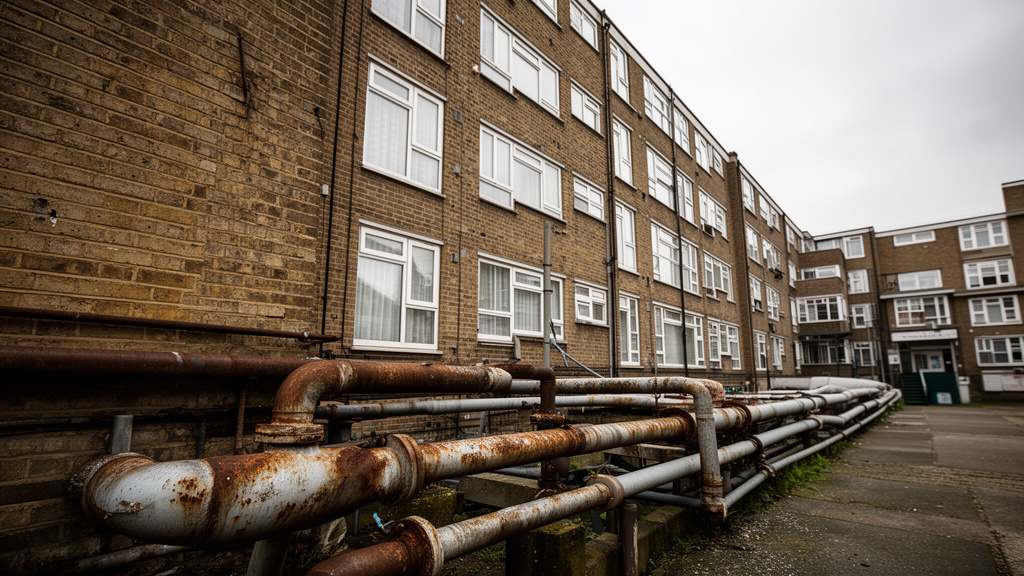
At the heart of the crisis lies the deterioration of aging pipework. Many housing blocks in the affected London boroughs were constructed several decades ago, and maintenance schedules have frequently prioritized reactive repairs over preventative maintenance. When a major plumbing failure occurs, it is rarely a localized issue; it often signals a failure in the riser pipes or the building’s central pump system.
For residents, this translates to sporadic water access—sometimes at low pressure, sometimes completely dry for days. The ‘quick fix’ culture, where external contractors are hired to patch leaks rather than replace failing systems, has created a cycle of temporary relief followed by inevitable recurring outages. This is not just a nuisance; it is a fundamental breach of the landlord’s obligation to provide habitable, sanitary conditions for tenants.
The Legal and Regulatory Battlefield
Accountability remains the most contentious aspect of this issue. Under the Landlord and Tenant Act 1985, landlords are legally required to keep the structure and exterior of the property in repair and keep in repair and proper working order the installations for the supply of water, gas, and electricity.
However, the gap between legal obligation and physical reality is vast. Residents often report being passed between council departments, housing associations, and private management companies, each claiming the issue lies within the jurisdiction of the other. The introduction of the Social Housing (Regulation) Act 2023 was intended to empower the Regulator of Social Housing to hold landlords accountable for such failings, yet for many East Londoners, the bureaucratic machinery is moving far slower than the rate of infrastructure collapse. The burden of proof often falls on the tenant, who must document every dry tap, every failed repair attempt, and every health complication, turning them into amateur legal investigators while they struggle to bathe or clean their homes.
Beyond the Taps: The Human Cost
The secondary angles of this crisis are often overlooked in the data-heavy discussions of infrastructure. The psychological impact on residents—many of whom are vulnerable, elderly, or families with young children—cannot be overstated. Living without water creates a state of ‘sanitary anxiety.’ Parents are forced to buy bottled water for drinking and cooking, or walk to neighbors in other blocks to fill buckets for toilet flushing.
Economically, this is a regressive tax on the poor. Families are incurring additional costs to maintain basic standards of living, costs that are rarely reimbursed by housing providers. Furthermore, the lack of water impacts the value of these dwellings, potentially contributing to long-term devaluation of the housing stock and impacting local property markets. Looking forward, without a complete overhaul of the water distribution infrastructure in these specific London estates, the risk of total system collapse remains high. Experts suggest that unless there is a move toward decentralized water management or massive capital investment into replacement plumbing, this pattern of ‘intermittent functionality’ will continue to plague East London residents for years to come.
FAQ: People Also Ask
Q: What legal rights do tenants have when they don’t have running water?
A: Under the Landlord and Tenant Act 1985, landlords must maintain water supply installations. Tenants should document every instance of water loss, report it in writing, and if unresolved, contact the local council’s Environmental Health department or the Housing Ombudsman to open a formal complaint.
Q: Can residents withhold rent during these water outages?
A: Withholding rent is legally risky and often advised against. Instead, tenants should formally report the issue and request a rent abatement or compensation for the ‘loss of amenity’ due to the uninhabitable conditions, ideally with the support of a solicitor or housing charity.
Q: Why does the repair process take so long?
A: Often, delays are caused by fragmented management structures, disputes over who is financially responsible (the council vs. the maintenance contractor), or difficulties in accessing aging, inaccessible infrastructure hidden within the building fabric.