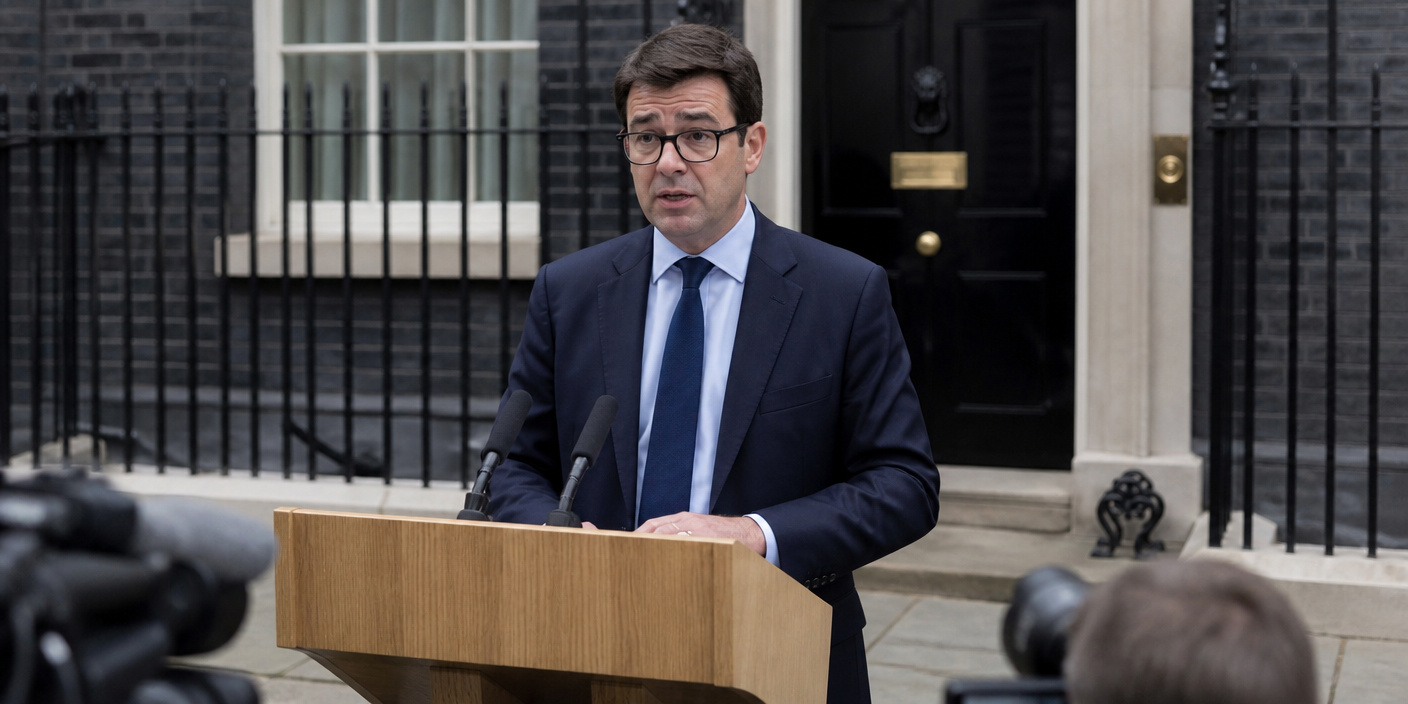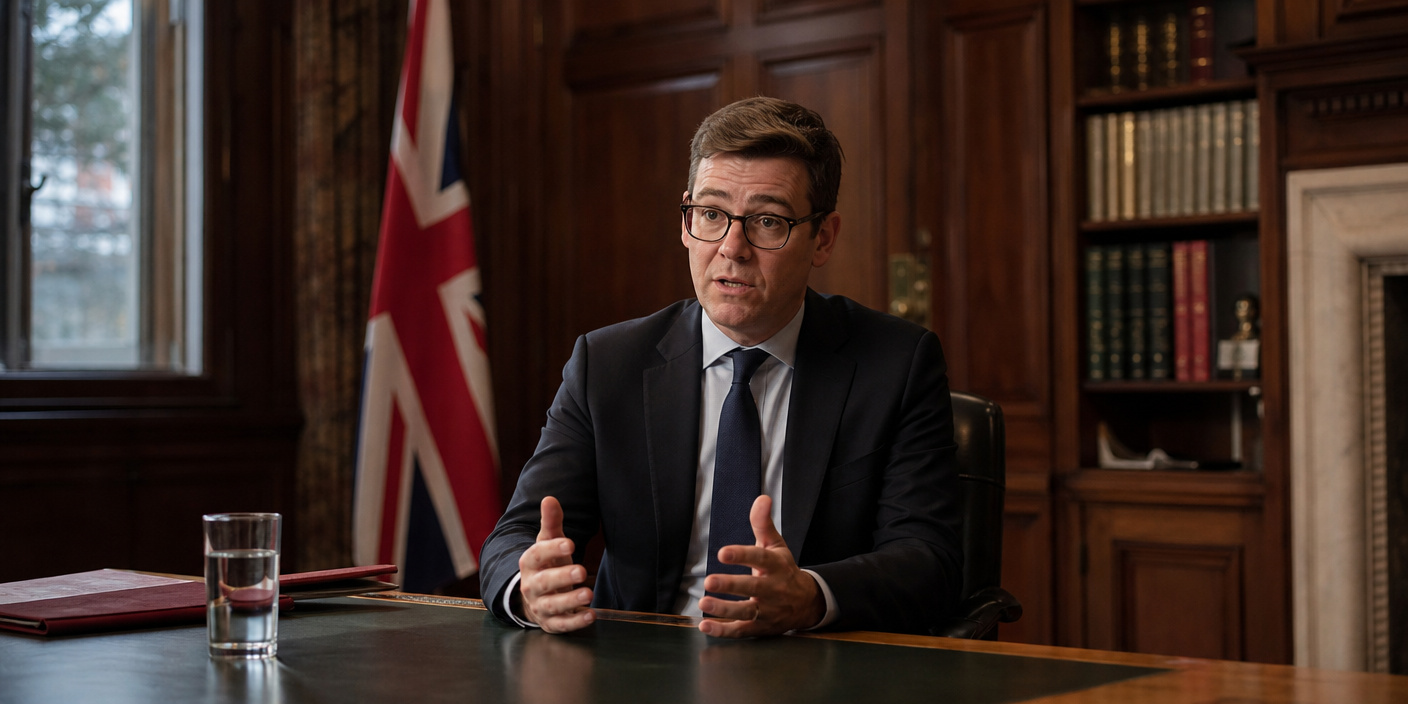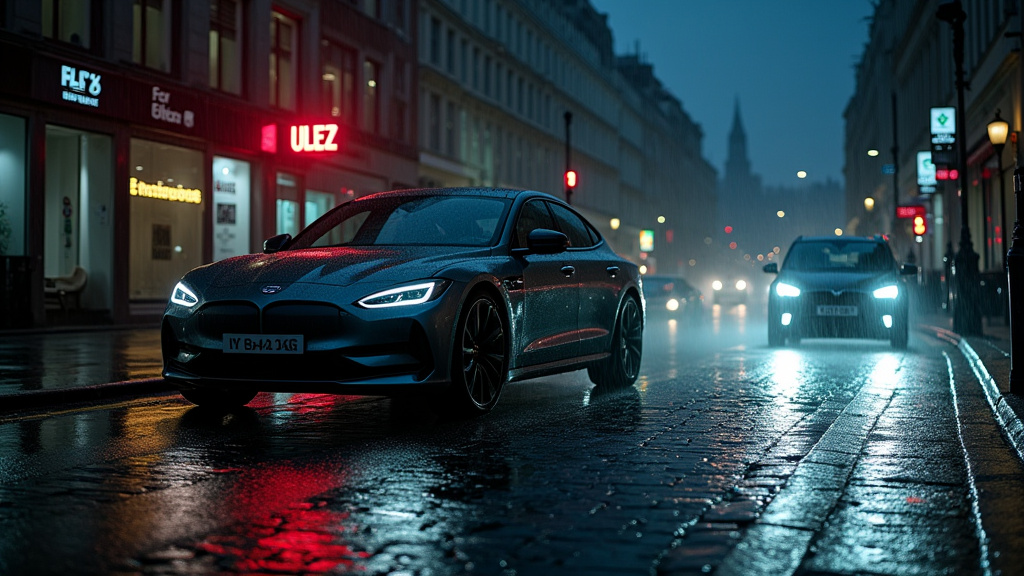
London Mayor Sadiq Khan is reportedly considering relinquishing his own armoured ministerial car as part of a wider initiative to clamp down on the use of large, polluting sport utility vehicles (SUVs) within the city’s Ultra Low Emission Zone (ULEZ).
Key Highlights:
- Mayor Sadiq Khan may stop using his armoured ministerial car.
- This potential move is linked to a broader ULEZ expansion and SUV crackdown.
- The initiative aims to reduce air pollution and congestion in London.
- Critics argue the ULEZ expansion disproportionately affects lower-income residents and small businesses.
- Khan’s office has not officially confirmed the plan regarding his personal vehicle.
Khan’s SUV Stance Amid ULEZ Expansion
Mayor Sadiq Khan appears to be preparing a significant shift in his personal transport choices, potentially signalling a new era of austerity and environmental consciousness for the capital’s top officials. Reports suggest that Khan may be set to give up his armoured ministerial car, a symbol of security and executive privilege, as a gesture of solidarity with his administration’s increasingly stringent policies targeting SUVs. This potential personal sacrifice is intrinsically linked to the ongoing expansion and enforcement of London’s Ultra Low Emission Zone (ULEZ), a scheme designed to combat the city’s persistent air quality issues.
The Rationale Behind the SUV Clampdown
The primary driver behind the Mayor’s initiative is the urgent need to address London’s toxic air pollution, which has been linked to thousands of premature deaths annually. SUVs, due to their size and engine capacity, are often significant contributors to both nitrogen oxide (NOx) and particulate matter emissions. By discouraging their use within the ULEZ, Khan aims to accelerate the transition to cleaner forms of transport, thereby improving public health and making the city a more pleasant place to live. The policy also seeks to alleviate traffic congestion, which costs the UK economy billions each year.
Political and Public Reaction
The proposed crackdown on SUVs and the potential abandonment of the armoured car have inevitably sparked a mixed reaction. While environmental groups and public health advocates largely applaud the move towards cleaner air, many Londoners, particularly those who rely on SUVs for work or family reasons, have expressed strong opposition. Critics argue that the ULEZ expansion, including the daily charges for non-compliant vehicles, disproportionately impacts lower-income individuals and small businesses already struggling with the cost of living. The symbolism of the Mayor giving up his armoured vehicle is unlikely to assuage these concerns for many, who see it as a superficial gesture that fails to address the wider economic implications of the ULEZ.
The Armoured Car: Symbolism vs. Security
The armoured ministerial car, a staple for high-profile public figures, represents more than just transport; it embodies security, status, and operational necessity. For a Mayor like Sadiq Khan, who faces significant public scrutiny and potential threats, the decision to relinquish such a vehicle would be a considerable one. While the gesture aims to align his personal actions with his public policy, questions linger about whether such a move compromises necessary security protocols. It raises the debate about the balance between political symbolism, environmental leadership, and the practical requirements of protecting public officials.
Entities and Wider Implications
This policy shift by Sadiq Khan involves several key entities. The Greater London Authority (GLA), headed by the Mayor, is the governing body responsible for implementing and overseeing the ULEZ. The Transport for London (TfL) agency is the operational arm tasked with managing the ULEZ infrastructure, enforcement, and public communication. The London Assembly also plays a role in scrutinizing the Mayor’s decisions. Beyond these official bodies, numerous environmental groups, such as ClientEarth, have been instrumental in advocating for stricter air quality measures. On the other hand, business groups like the Federation of Small Businesses (FSB) have voiced concerns about the economic impact on their members. The broader debate touches upon the future of urban mobility, the role of personal vehicles in metropolitan areas, and the ongoing tension between environmental targets and economic realities.
FAQ: People Also Ask
What is the ULEZ and why is it being expanded?
The Ultra Low Emission Zone (ULEZ) is a traffic charge zone in London designed to encourage motorists to switch to cleaner, less polluting vehicles. It operates 24/7, except on Christmas Day, within the North and South Circular roads, and has recently been expanded to cover all boroughs of Greater London. The expansion aims to reduce air pollution across a larger area of the city, improving public health.
Why are SUVs being targeted by the ULEZ?
SUVs are often targeted because they typically have larger engines and higher emissions of harmful pollutants like nitrogen oxides (NOx) and particulate matter compared to smaller, more fuel-efficient cars. Their higher weight and poorer aerodynamics can also contribute to increased road wear and CO2 emissions.
What are the main criticisms of the ULEZ expansion?
Criticisms often centre on the financial burden placed on individuals and small businesses, particularly those living or operating in outer London boroughs who may not have easy access to public transport alternatives. Concerns are also raised about the ULEZ potentially stifling economic activity and disproportionately affecting lower-income households.
Has Sadiq Khan officially confirmed he will give up his armoured car?
As of the latest reports, Sadiq Khan’s office has not officially confirmed his personal decision to give up his armoured ministerial car. The reports are based on sources within the administration suggesting this as a potential symbolic move alongside policy changes.
What are the alternatives to SUVs for London residents?
Alternatives include smaller, fuel-efficient petrol or diesel cars that meet ULEZ standards, electric vehicles (EVs), plug-in hybrid electric vehicles (PHEVs), and increased reliance on London’s extensive public transport network (buses, Tube, Overground, DLR) and active travel options like cycling and walking.