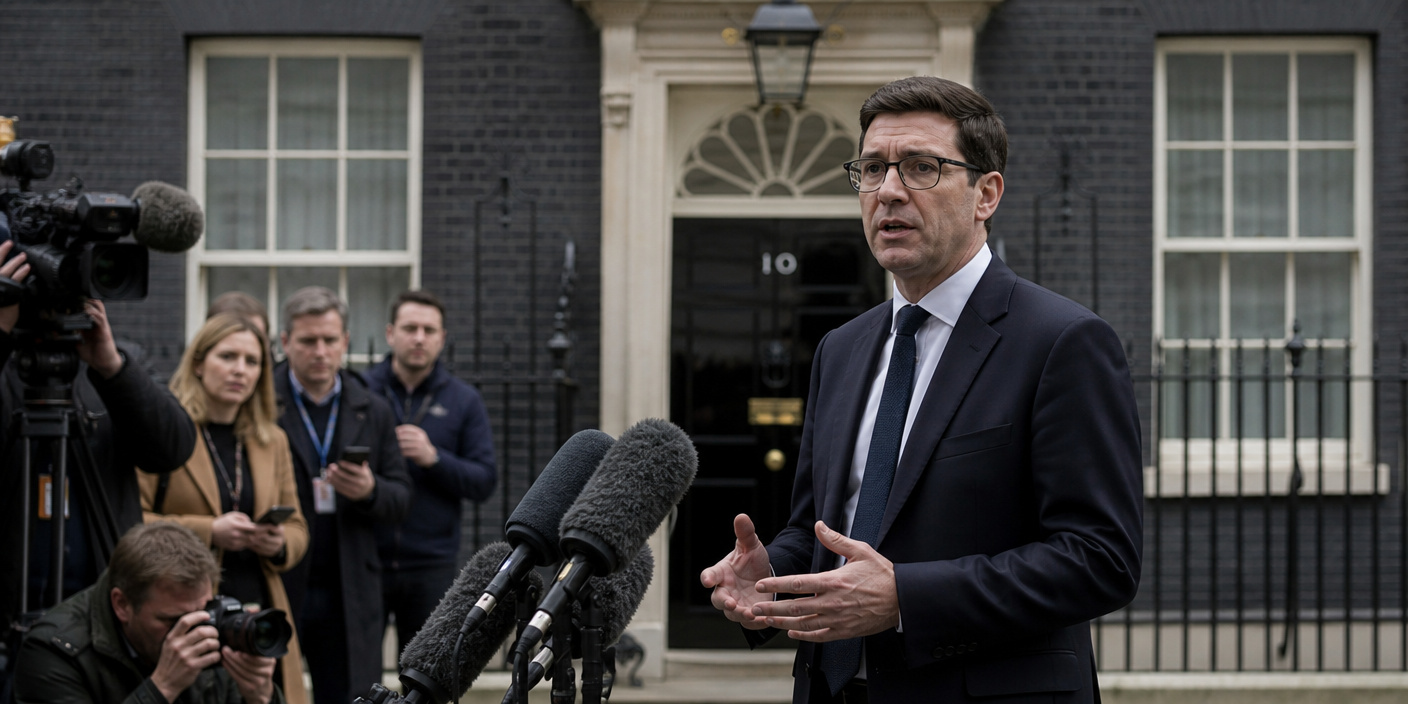
Iran’s recent escalations in attacks across the Middle East have sent shockwaves through global markets, triggering a significant surge in oil prices. The heightened tensions, fueled by ongoing geopolitical instability, are raising concerns about further economic repercussions and potential supply chain disruptions.
- Heightened military activity by Iran has led to a sharp increase in crude oil prices.
- Global markets are reacting with volatility due to the escalating conflict.
- The attacks threaten to disrupt regional stability and impact international trade.
- Diplomatic efforts are underway to de-escalate the situation and prevent further economic fallout.
Geopolitical Flashpoint: Iran’s Renewed Offensive
The Middle East is once again at the epicenter of global attention as Iran intensifies its military operations, leading to a palpable rise in global oil prices. These actions come amid a complex web of regional rivalries and international pressures, creating a volatile environment for energy markets. The immediate impact has been a surge in crude oil prices, as traders and investors price in the increased risk of supply disruptions from this critical oil-producing region.
The Economic Ripple Effect
Beyond the immediate price jump, the intensified conflict poses a broader threat to the global economy. Oil is a fundamental commodity, influencing transportation costs, manufacturing expenses, and consumer spending. A sustained period of high oil prices could dampen economic growth worldwide, particularly in import-dependent nations. Businesses are bracing for increased operational costs, which could translate into higher prices for consumers. The International Energy Agency (IEA) has cautioned that prolonged instability could lead to significant market volatility and potential shortages.
Strategic Implications and International Response
The recent attacks are not isolated incidents but part of a larger geopolitical strategy. Analysts suggest Iran’s actions are aimed at asserting regional influence and responding to perceived threats. This escalates the broader Middle East conflict, drawing in various regional and international actors. Global powers are closely monitoring the situation, with diplomatic channels working to prevent a wider conflagration. The United Nations and other international bodies are calling for restraint and urging dialogue to de-escalate tensions. The strategic implications are far-reaching, potentially altering regional alliances and impacting global security dynamics.
Historical Context of Regional Tensions
Understanding the current situation requires acknowledging the historical context of conflict and rivalry in the Middle East. Decades of political upheaval, proxy wars, and shifting alliances have created a deeply entrenched security dilemma. Iran’s historical stance, its nuclear program, and its relationships with various non-state actors have consistently been points of contention. The current escalation can be viewed as a continuation of these long-standing dynamics, exacerbated by recent events and strategic calculations. Past instances of conflict have often led to similar spikes in oil prices, underscoring the region’s critical role in global energy supply.
FAQ: People Also Ask
What specific areas has Iran intensified attacks on?
Reports indicate that Iran’s intensified attacks have targeted strategic locations across the Middle East, including maritime shipping lanes and areas with significant energy infrastructure. The exact nature and scale of these attacks are often subject to evolving information and varying reports from different sources.
How are global oil prices being affected?
Global oil prices have experienced a significant surge due to the increased geopolitical risk associated with Iran’s actions. The fear of supply disruptions from the Middle East, a major oil-producing region, prompts traders to bid up prices.
What is the international community’s response to these attacks?
The international community, including global powers and international organizations like the UN, has largely condemned the attacks and called for de-escalation. Diplomatic efforts are being pursued to mitigate the conflict and prevent further instability.
Could these attacks lead to a wider regional war?
There is a significant concern that the current escalation could lead to a wider regional conflict. The intricate network of alliances and rivalries in the Middle East means that such actions carry a substantial risk of drawing in multiple state and non-state actors.
What are the long-term economic consequences of rising oil prices?
Long-term consequences of sustained high oil prices can include reduced economic growth, increased inflation, and a shift towards alternative energy sources. For developing nations, the impact can be particularly severe, affecting their ability to import essential goods and services.