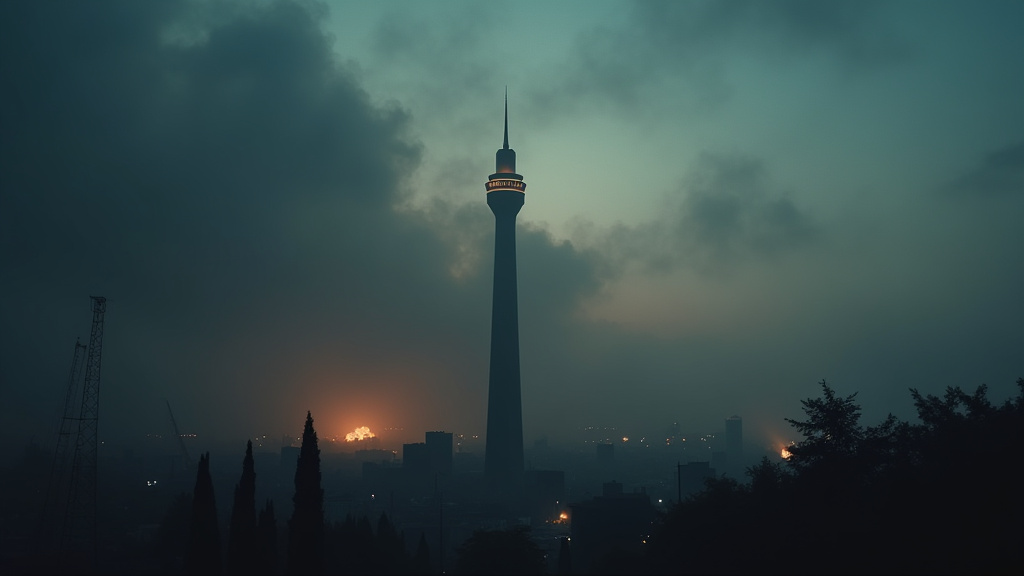
Massive explosions have reportedly rocked Tehran, occurring near a rally for Al-Quds Day, amidst ongoing, wide-scale strikes by Israel. State media in Iran confirmed the blasts, which sent shockwaves through the capital and intensified regional tensions. The precise cause of the explosions and their exact targets within Tehran remain unclear, as does the extent of any casualties or damage.
Key Highlights:
- Significant explosions reported in Tehran.
- Explosions occurred near a rally commemorating Al-Quds Day.
- The events coincide with a new wave of Israeli strikes.
- Iranian state media has confirmed the incidents.
- Details regarding casualties and the cause of the blasts are emerging.
Tehran Tremors: Unpacking the Explosions and Regional Ramifications
The capital of Iran, Tehran, was the scene of significant explosions today, with reports indicating they took place in proximity to a rally marking Al-Quds Day. This significant day in the Iranian calendar, typically observed on the last Friday of Ramadan, is dedicated to expressing solidarity with Palestinians and denouncing Israeli occupation. The timing of these blasts, occurring during a public demonstration, immediately raised concerns about the potential for mass casualties and further escalation.
Intensifying Conflict and Israeli Operations
Simultaneously, Iran’s state television has broadcast information about a new wave of wide-scale strikes being conducted by Israel. While the specific targets and scope of these Israeli operations are not yet fully detailed, their occurrence in conjunction with the Tehran explosions suggests a potentially synchronized or at least highly coincidental period of heightened conflict. The Israeli military has often cited security concerns and retaliatory actions as justifications for its strikes in the region, particularly in response to perceived threats from Iran and its proxies.
Entities and Geopolitical Context
The events unfold against a backdrop of prolonged geopolitical tension between Iran and Israel. Both nations are key players in the complex Middle Eastern landscape, with Iran supporting various militant groups, including Hamas and Hezbollah, while Israel maintains a policy of actively countering Iranian influence. The Al-Quds Day rally itself is a significant event that underscores Iran’s official stance on the Israeli-Palestinian conflict, making any disruption or incident during such a gathering particularly sensitive. The international community will be closely monitoring the situation for any signs of de-escalation or further military engagement.
Secondary Angles and Future Outlook
Historical Precedents: This incident echoes past periods of heightened tension and targeted strikes in the region. Both Iran and Israel have a history of engaging in asymmetric warfare, cyber-attacks, and proxy conflicts, making it difficult to immediately ascertain the nature of these latest events. Understanding the historical context of Israeli strikes against Iranian interests, and Iranian responses, is crucial for interpreting the current situation.
Economic Repercussions: Any significant escalation in the conflict could have substantial economic implications. The region is a vital artery for global energy markets, and increased instability could lead to fluctuations in oil prices and disrupt trade routes. Furthermore, sanctions imposed on Iran by various international bodies could be tightened or modified depending on the unfolding events and the international response.
Information Warfare and Media Narratives: In conflicts of this nature, the narrative surrounding events is as critical as the events themselves. Iranian state TV’s immediate reporting of the explosions, alongside details of Israeli strikes, suggests an effort to frame the narrative. Similarly, Israeli officials will present their actions within their own strategic framework. Differentiating factual reporting from propaganda will be a key challenge for international observers and media outlets.
FAQ: People Also Ask
What is Al-Quds Day?
Al-Quds Day, or Jerusalem Day, is an annual event observed on the last Friday of Ramadan. It was initiated by Iran in 1979 to express solidarity with the Palestinian people and condemn the Israeli occupation of Jerusalem. Rallies and demonstrations are held in Iran and some other Muslim-majority countries.
What are the ongoing Israeli strikes in the region?
Recent reports indicate Israel has been conducting a new wave of wide-scale strikes. The specific targets and operational details are often not fully disclosed by Israeli authorities, but they are typically framed as responses to security threats and aimed at Iranian-linked assets or activities in the region.
What is the current relationship between Iran and Israel?
Iran and Israel are considered archenemies. Iran does not recognize Israel and actively supports groups hostile to Israel, such as Hamas and Hezbollah. Israel views Iran’s nuclear program and regional influence as major threats and has conducted numerous strikes against Iranian targets and personnel in Syria and elsewhere.
What is the significance of explosions occurring near a rally?
The proximity of explosions to a public rally, especially one with political and religious significance like the Al-Quds Day gathering, raises serious concerns about public safety and the potential for mass casualties. It could indicate a deliberate targeting or a miscalculation with devastating consequences.
How is this event being reported by state media?
Iranian state TV has reported the occurrence of massive explosions in Tehran near the Al-Quds Day rally and has also mentioned ongoing Israeli strikes. This dual reporting aims to inform the public while potentially framing the narrative around a period of intense Israeli aggression.