September 2026 marks a pivotal moment for London’s cultural calendar, with the capital transforming into a global stage for art, architecture, and innovation. As the city transitions into autumn, the energy shifts toward the creative industries, with a concentrated focus during the second and third weeks of the month. From the highly anticipated London Design Festival to the vibrant cultural fusion of CelebrASIA at Battersea Power Station, the city offers an unparalleled experience for residents and international visitors alike, setting a high bar for cultural engagement in the UK.
Key Highlights
- Design Kickoff: The London Design Festival officially commences on September 12, 2026, marking the start of a city-wide celebration of innovation, product design, and architectural discourse.
- Architectural Access: The Open House Festival runs concurrently with the start of the design season, allowing public access to some of London’s most restricted and historically significant buildings.
- Global Cultural Fusion: Battersea Power Station hosts the CelebrASIA event, a dedicated celebration of Asian culture, cuisine, and arts, cementing the venue’s status as a top-tier cultural destination.
- Fashion Capital: London Fashion Week returns to the city’s schedule during this timeframe, drawing global media, designers, and industry leaders to the capital.
The Creative Pulse of the Capital: September 2026
London in September is rarely a quiet affair, but the 2026 schedule suggests a particularly robust convergence of industries. The city’s cultural infrastructure is primed to accommodate a surge in activity, with the second and third weeks of the month acting as the fulcrum for major events. This year, the focus is squarely on the intersection of design, heritage, and global cultural exchange.
The Design Renaissance: LDF and Open House
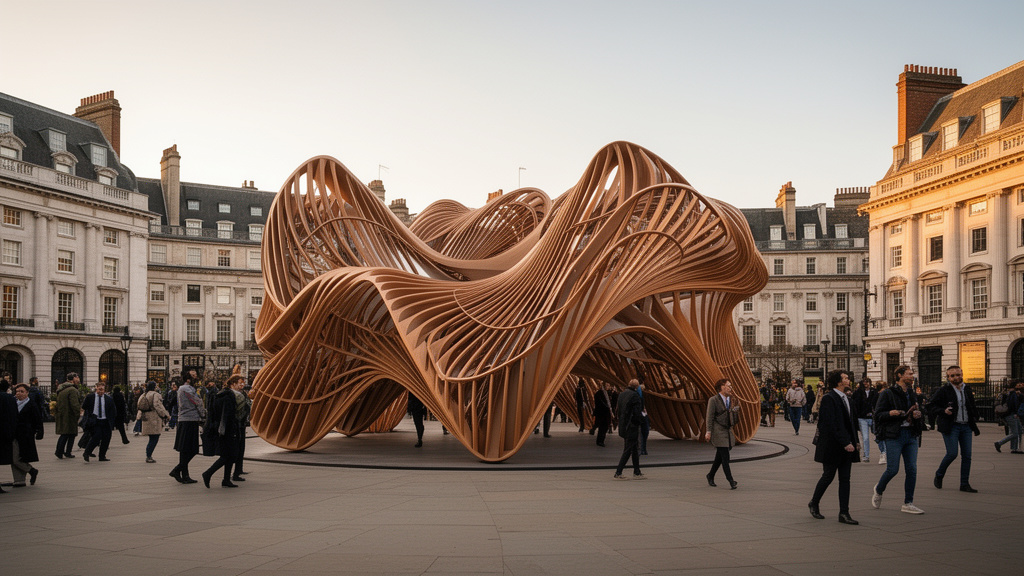
The London Design Festival (LDF), starting September 12, 2026, is not merely an exhibition; it is an economic and social phenomenon. By transforming public squares and museums into galleries of the future, LDF challenges the traditional boundaries of urban space. This year, organizers have emphasized sustainability and circular design, reflecting broader industry shifts.
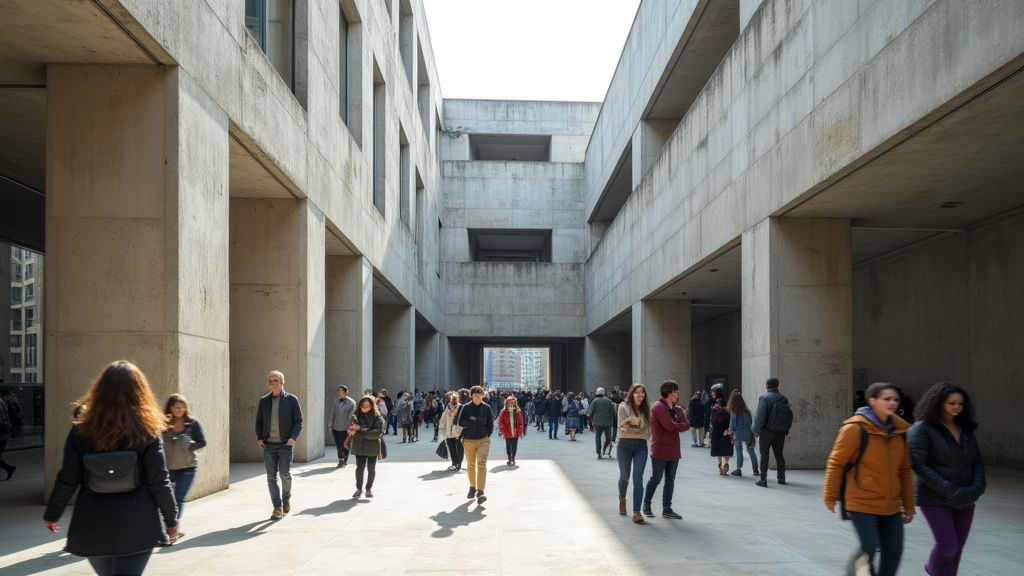
Running in tandem with the festival is the Open House Festival. For one week, Londoners are invited behind the velvet ropes of buildings that are typically closed to the public. This year’s theme emphasizes the democratization of architecture. By allowing citizens to interact with the city’s built environment—from brutalist housing estates to high-tech corporate hubs—the festival fosters a deeper understanding of urban planning and social connectivity. It is a rare opportunity to witness the hidden history of the city, literally unlocking doors that have remained sealed for years.
Global Flavors at Battersea Power Station
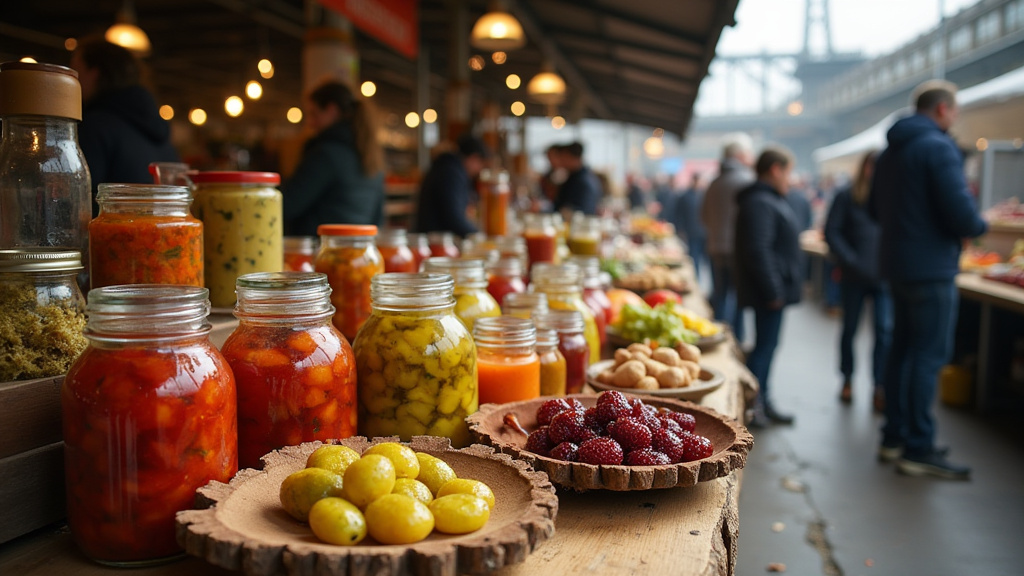
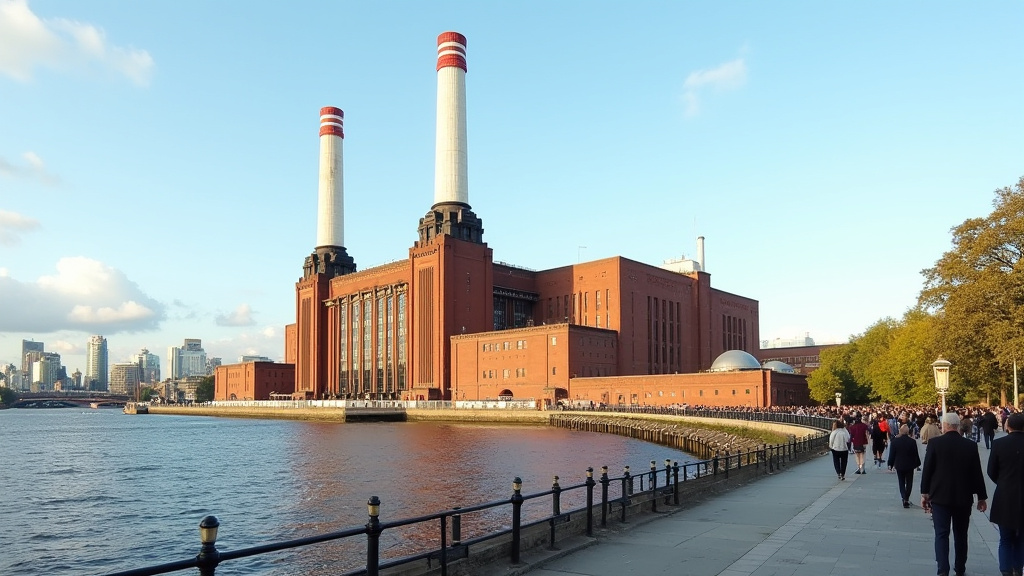
Perhaps the most distinct addition to the 2026 calendar is the CelebrASIA event held at Battersea Power Station. Once a symbol of industrial London, the Power Station has successfully reinvented itself as a premium cultural hub. CelebrASIA leverages this massive, restored space to showcase a diverse range of Asian cultures through culinary pop-ups, immersive art installations, and traditional performances.
This event is significant for London’s tourism landscape. It represents a pivot toward hyper-localized global experiences. By dedicating a multi-day festival to Asian arts and gastronomy, Battersea Power Station is not only increasing its footfall but is also positioning itself as a leader in international cultural integration within the UK retail and leisure sector. Attendees can expect a sensory-heavy experience that blends the building’s historic brickwork with vibrant, modern Asian aesthetics.
London Fashion Week: A New Era
The presence of London Fashion Week (LFW) during this mid-September window ensures that the city remains the global epicenter for the creative arts. LFW 2026 is expected to push the boundaries of digital and physical fusion, with many designers opting for phygital runway shows—a blend of live catwalks and augmented reality streaming.
Beyond the glitz of the front row, the economic impact of LFW is staggering. The influx of international press, buyers, and celebrities creates a ripple effect across the city’s hospitality and transport sectors. This period is effectively the ‘super week’ of London’s year, where the combined pull of LDF, Open House, and LFW creates a density of activity that is rarely seen elsewhere in Europe.
Navigating the City’s Cultural Infrastructure
For residents and visitors, the density of these events requires a strategic approach to city navigation. Transport for London (TfL) has historically braced for higher passenger volumes during these weeks, particularly around the key event hubs of Kensington (LDF installations) and Nine Elms (Battersea Power Station).
One critical secondary angle to consider is the economic integration of these events. Local businesses in the surrounding areas of these venues report significant revenue spikes, with many independent retailers curating their own ‘fringe’ events to align with the official calendar. This ‘festivalization’ of the city contributes to a stronger, more resilient local economy, proving that cultural events are essential infrastructure rather than mere entertainment. Furthermore, as we look to the future, the reliance on these events suggests that London’s post-pandemic recovery is deeply rooted in its ability to market itself as a global creative laboratory. The success of September 2026 will likely set the blueprint for future urban planning, with a heavy emphasis on pedestrian-friendly, mixed-use spaces that can host these large-scale cultural happenings.
FAQ: People Also Ask
Q: How do I get tickets for the Open House Festival in 2026?
A: While many Open House events are free to walk through, the most popular buildings require pre-booking via the official Open House website. We recommend checking the site in early August 2026 to secure your spots, as high-profile locations often reach capacity within hours.
Q: Is Battersea Power Station easily accessible during the CelebrASIA event?
A: Yes, the Power Station is well-connected via the Northern Line extension. Due to the high footfall expected during the festival, we advise using the ‘Battersea Power Station’ underground station rather than relying on buses, which may experience traffic delays.
Q: Does the London Design Festival require professional registration?
A: LDF is open to the public, though some industry-specific talks and trade shows require registration. For general art installations and public exhibits, simply showing up is standard practice.
Q: How should I plan my itinerary to see all these events?
A: With so much happening between September 12 and the third week of the month, we suggest prioritizing your interest. Dedicate the first few days to LDF and Open House to see the architectural and design pieces, and reserve your weekends for the more social atmosphere of the CelebrASIA festival.