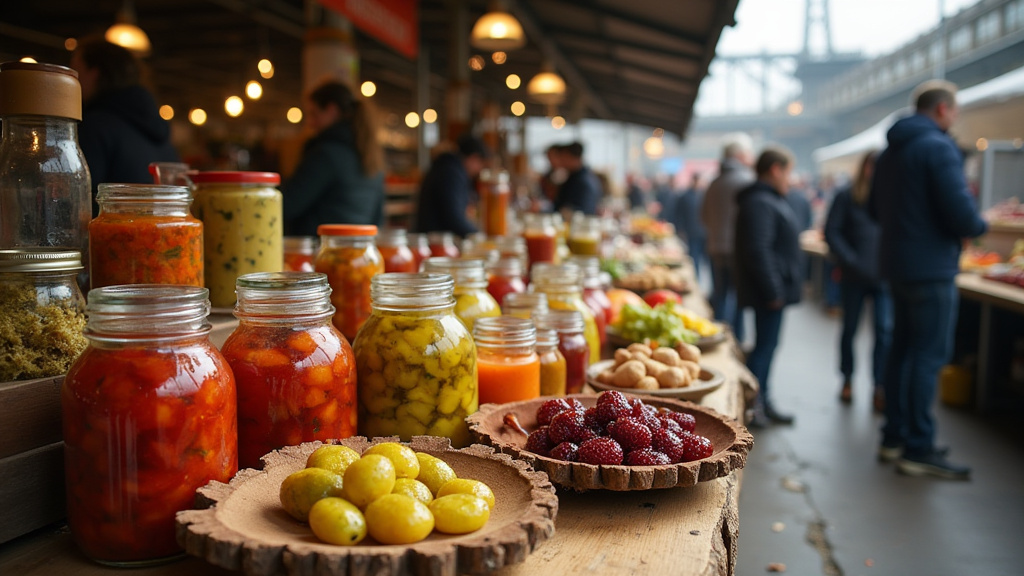
As autumn descends on the capital, London’s cultural rhythm undergoes a distinct transformation. The summer’s large-scale outdoor festivals are yielding to a more nuanced, intimate, and highly specialized series of events that prioritize culinary craftsmanship, heritage, and localized community experiences. This September, the city is witnessing a deliberate move away from generic entertainment toward niche gastronomic celebrations, signaling a shift in how Londoners engage with their neighborhoods. With events like the inaugural ‘Big Brine’ at Hackney Bridge and the celebrated return of the Brick Lane Curry Festival, the city is reinforcing its reputation as a global culinary hub that thrives on both innovation and tradition.
Key Highlights
- The Inaugural ‘Big Brine’ Festival: Debuting at Hackney Bridge on September 12-13, this event celebrates the fermentation boom, highlighting artisanal pickles and preserved goods.
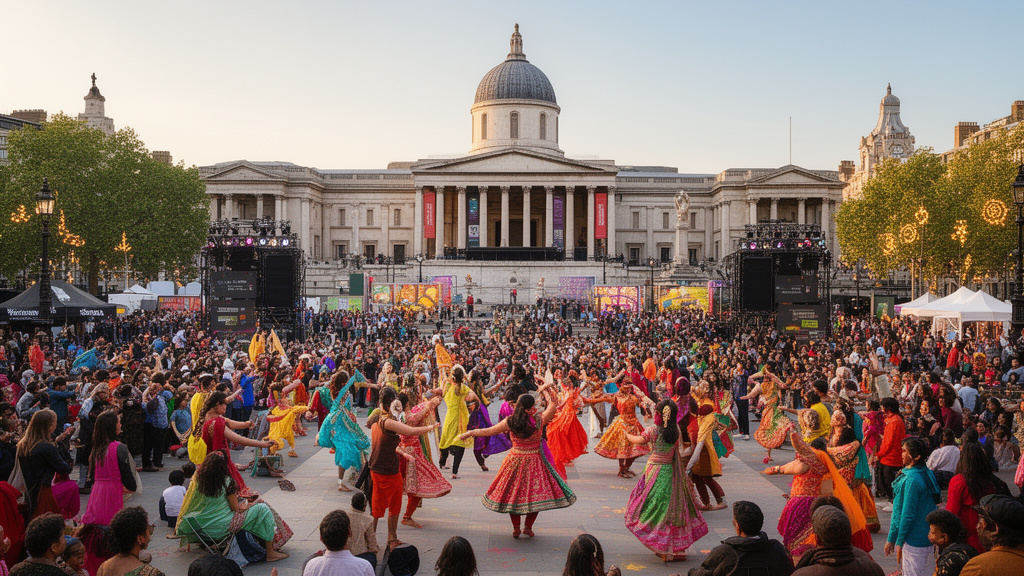
- Brick Lane Curry Festival: Returning on September 20, this cornerstone event honors the historic Bengali influence on East London’s culinary identity.
- Maritime Heritage Nights: The historic Golden Hinde ship continues its ‘Thirsty Thursdays,’ blending public engagement with maritime history.
London’s Autumnal Renaissance: A Culinary and Cultural Deep Dive
The ‘Big Brine’ and the Fermentation Boom
The introduction of the ‘Big Brine’ festival at Hackney Bridge on September 12-13 serves as a microcosm for broader trends in modern London dining. Fermentation, once a niche culinary practice, has moved to the forefront of the capital’s food scene, driven by both sustainability concerns and a consumer demand for probiotic-rich, gut-healthy foods. By situating this festival at Hackney Bridge—a venue that has become a lightning rod for the borough’s creative and entrepreneurial spirit—organizers are tapping into a demographic that values provenance, small-batch production, and community-led commerce.
This event is not merely a market; it is an exploration of preservation. Experts suggest that the focus on ‘brining’ allows London’s artisan producers to showcase their resilience against fluctuating produce costs. For attendees, the festival offers a tangible connection to the supply chain, turning the act of eating into an educational experience. The utilization of Hackney Bridge, an open-air venue, creates a perfect shoulder-season environment, allowing the festival to bridge the gap between outdoor summer living and the cozy interiors of late autumn.
Brick Lane: The Enduring Legacy of the Curry Scene
While the ‘Big Brine’ looks toward culinary innovation, the return of the Brick Lane Curry Festival on September 20 represents the city’s commitment to preserving its complex, multicultural history. Brick Lane, often synonymous with the ‘Curry Mile,’ faces significant economic pressure from changing dining habits and real estate development. This festival acts as both a celebration and a strategic intervention, drawing foot traffic to a corridor that historically defines East London’s immigrant success stories.
Historically, the arrival of the Bengali community in the 1960s and 70s transformed Brick Lane into the beating heart of British curry culture. Today, the festival serves as a vital reminder of this heritage, challenging the narrative that the area is becoming exclusively gentrified. By centering the event around local curry houses, organizers are stimulating the local economy and fostering a renewed interest in traditional recipes that have been passed down through generations. The festival’s success is a barometer for the area’s ability to retain its authentic character amidst broader urban renewal.
The Golden Hinde: Maritime History Meets Modern Socializing
Perhaps the most unique juxtaposition in London’s September calendar is the ongoing ‘Thirsty Thursdays’ at the Golden Hinde in Southwark. Docked in St Mary Overie Dock, this full-scale reconstruction of the ship that Sir Francis Drake used to circumnavigate the globe provides an unparalleled setting for socializing. By opening the deck to the public on Thursday evenings, the venue successfully navigates the delicate balance between preservation and utilization.
This initiative highlights a growing trend in London: the ‘experience-first’ economy, where historic venues must create recurring, low-barrier entry events to remain viable. The Golden Hinde is not just a static museum; it is a living space where the maritime history of the Thames is contextualized through the modern lens of a community pub atmosphere. For the visitor, it offers a rare opportunity to engage with history in a tactile, non-didactic setting, fundamentally changing how we perceive historical landmarks.
Secondary Angles: Analyzing the Shift
1. The Economic Impact of Micro-Festivals
Unlike massive, ticketed music festivals that draw from a wider regional catchment, niche events like the ‘Big Brine’ rely heavily on hyper-local foot traffic. This strategy creates a ‘sticky’ local economy, where spending remains concentrated within the neighborhood. Businesses around Hackney Bridge and Brick Lane benefit from a halo effect, where festival-goers extend their stay to visit local independent shops and cafes.
2. Heritage Sites as Social Hubs
The repurposing of historical sites like the Golden Hinde illustrates a new model for heritage conservation. By hosting social events, these sites generate the revenue necessary for structural maintenance while simultaneously deepening public awareness of their historical significance. It is a symbiotic relationship: the public gets a unique venue, and the monument gets the funding required for its preservation.
3. The Sustainability of Shoulder-Season Events
September represents a critical transition point for London’s tourism and hospitality sectors. By hosting events that do not rely on perfect mid-summer weather but embrace the crispness of early autumn, organizers are extending the ‘productive’ season for tourism. This diversification is essential for the city’s economic resilience, ensuring that hospitality staff and small producers have consistent income streams outside the peak summer rush.
FAQ: People Also Ask
Q: What is the significance of the ‘Big Brine’ festival at Hackney Bridge?
A: The ‘Big Brine’ serves as an inaugural showcase for fermentation and pickling, reflecting London’s growing interest in gut health, sustainable food sourcing, and supporting local artisan food producers in a post-summer market environment.
Q: How does the Brick Lane Curry Festival support the local community?
A: The festival drives foot traffic directly to local, independent curry houses, helping to preserve the historic culinary identity of the area and providing an economic stimulus to businesses that have been integral to the street’s cultural heritage for decades.
Q: What can visitors expect at the Golden Hinde’s ‘Thirsty Thursdays’?
A: ‘Thirsty Thursdays’ offers a unique evening social experience aboard a historically accurate replica of Sir Francis Drake’s ship. It provides a rare opportunity to drink and socialize within a protected maritime heritage site, blending history with modern community engagement.
Q: When is the best time to visit London for these culinary events?
A: September is ideal, specifically mid-to-late month. The ‘Big Brine’ takes place September 12-13, and the Brick Lane Curry Festival occurs on September 20, making this a prime period for culinary-focused travelers.