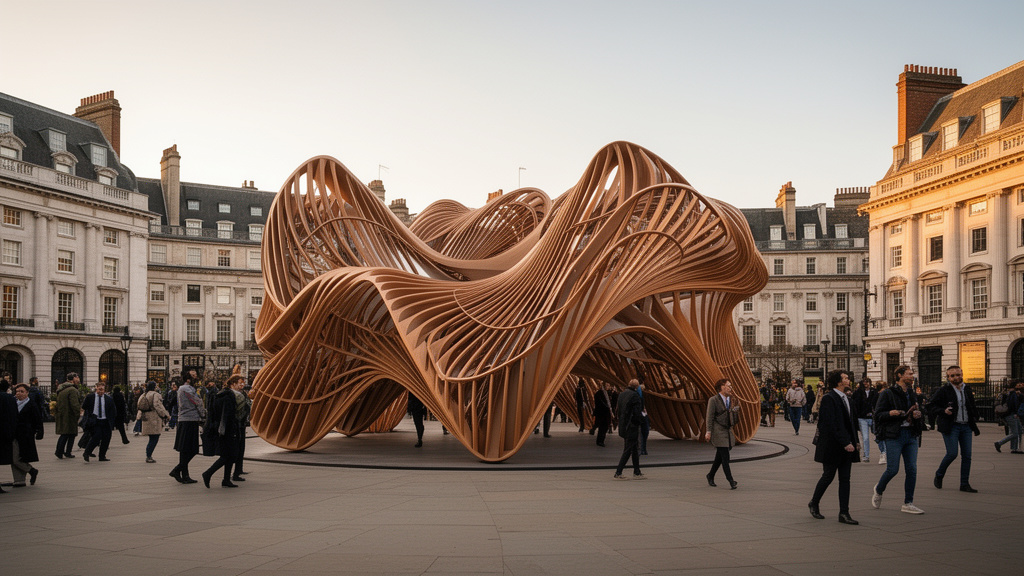
London’s cultural calendar reaches a crescendo in September 2026, marking the transition from summer leisure to the height of the autumn arts season. As the city settles into a new academic and professional rhythm, the capital hosts an array of world-class events that highlight the intersection of historical heritage, cutting-edge design, and the thriving West End theater scene. This guide provides a strategic overview of the primary cultural offerings, ensuring that both residents and international visitors can navigate the month’s dense itinerary with precision and foresight.
Key Highlights:
- The London Design Festival (LDF) returns with a renewed focus on circular economy and sustainable architecture.
- Open House Festival provides rare access to over 800 architecturally significant buildings across the Greater London area.
- The Totally Thames Festival continues its month-long celebration of the river’s history, ecology, and artistic importance.
- The West End kicks off its prestigious ‘Showtime’ season, debuting three major international productions.
The Architecture of Culture: Navigating London’s September 2026 Landscape
September in London is no longer merely the end of the holiday period; it has evolved into a strategic anchor for the creative economy. For the 2026 season, the city has consolidated its cultural output to leverage the influx of international business travelers and domestic tourists, creating a sophisticated ecosystem of events that cater to diverse interests. This year, the focus shifts heavily toward accessibility—both in terms of physical access to historic structures and intellectual access to complex design dialogues.
The Design Revolution: London Design Festival 2026
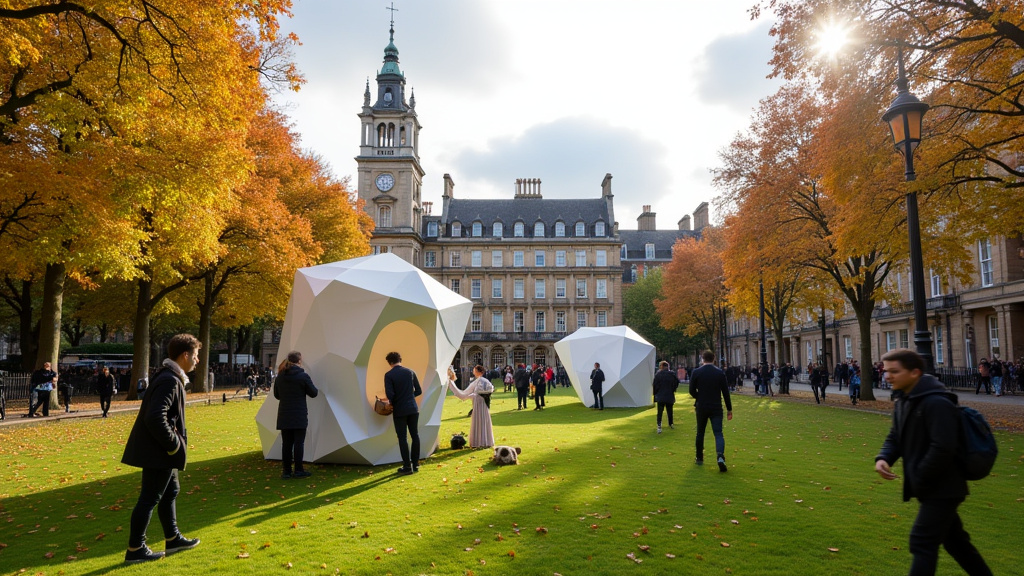
The London Design Festival (LDF) remains the cornerstone of the month. In September 2026, the festival emphasizes the ‘Materiality of Future Living,’ a theme that interrogates how urban centers can integrate sustainable materials into aging infrastructure. Centered in South Kensington and expanding into the satellite districts of Shoreditch and King’s Cross, the festival showcases over 300 installations.
Key developments include the V&A’s central exhibition, which utilizes AI-driven parametric design to demonstrate potential carbon-neutral solutions for London’s housing crisis. For the design-conscious visitor, this is an essential study in how modern aesthetics can function as public utility. Unlike previous iterations, the 2026 festival integrates a series of ‘Hyper-Local’ exhibits, encouraging visitors to explore boroughs outside the traditional city center, thereby distributing the economic impact of the event more equitably across the capital’s sprawl.
Unlocking the Capital: Heritage and Open House
The Open House Festival serves as the most effective counterpoint to the high-tech focus of LDF. This year, the festival expands its scope, offering guided, often exclusive access to historical sites that remain closed to the public for the remainder of the year.
Economic analysts suggest that the festival’s 2026 strategy is to highlight ‘Adaptive Reuse’—the process of repurposing historic buildings for modern commercial and cultural needs. Visitors can expect to explore renovated industrial sites in the Royal Docks and historic clerical buildings in the City of London. The educational value of this festival is immense, providing a tangible narrative of how London’s physical structure has adapted to geopolitical and economic shifts over the last 500 years. It is a critical look at the city not as a static museum, but as a living, breathing urban organism.
The Thames Estuary: An Ecological and Historical Nexus
The Totally Thames Festival enters its 2026 season with a heightened focus on the river as a conduit for climate resilience. The Thames, historically the city’s commercial artery, is now being reimagined as a cultural and ecological asset.
The programming this September includes a series of sound art installations stretching from Putney to the Thames Barrier, using hydrophones to broadcast live aquatic acoustics. This project seeks to reconnect Londoners with the river’s ecosystem, which has seen significant recovery in biodiversity metrics over the past decade. For the visitor, this offers a unique, sensory-rich way to traverse the city, moving beyond the standard terrestrial tourist paths to understand the vital role the Thames plays in London’s future flood mitigation and sustainable transport strategies.
The West End’s Autumn Awakening
Theater in London is the final pillar of the September experience. The 2026 ‘Showtime’ season signals a departure from revival-heavy programming, with the major theater groups committing to a 60/40 split between new, original compositions and classic reinterpretations.
The industry is betting on immersive technology. Several major productions in the West End are integrating augmented reality (AR) elements, allowing audience members to interact with the narrative environment through personal devices. This technological shift is designed to attract a younger demographic while maintaining the prestige associated with London’s world-famous theater district. Ticket demand for the opening weeks of September is projected to reach 92% capacity, highlighting the enduring economic resilience of the arts sector despite broader inflationary pressures on household entertainment budgets.
Strategic Analysis: The Cultural-Economic Loop
The convergence of these four major events—LDF, Open House, Totally Thames, and the West End season—is not coincidental. It represents a coordinated effort by the Greater London Authority and local business improvement districts (BIDs) to maximize the economic “multiplier effect.”
Research indicates that for every £1 spent on cultural tickets or festival-related activities in September, an additional £2.40 is spent in the local hospitality and transport sectors. This makes September one of the most profitable months for the city’s service economy. Furthermore, the push for decentralized events—spreading crowds from the city center to the boroughs—is a deliberate policy to combat over-tourism while fostering localized community growth. As we look ahead, the success of September 2026 will likely serve as the blueprint for London’s cultural planning for the remainder of the decade, balancing prestige with sustainability and economic inclusivity.
FAQ: People Also Ask
Are tickets required for the Open House Festival in September 2026?
While the Open House Festival is free, many of the more exclusive sites require pre-booking due to limited capacity and security protocols. It is highly recommended to register on the official Open House website at least three weeks in advance to secure slots for high-demand locations.
How is the London Design Festival distributed across the city?
LDF is structured around ‘Design Districts.’ In 2026, the primary hubs are South Kensington, Shoreditch, and the newly established Royal Docks District. Visitors are encouraged to focus on one district per day to maximize their viewing time, as the sheer scale of the installations makes traversing the entire city in a single day impractical.
Does the Totally Thames Festival offer family-friendly activities?
Yes, the festival includes a significant range of educational workshops and interactive art installations specifically designed for families. Many events, such as the river boat processions and bridge lighting ceremonies, are open-air and free of charge, making them highly accessible for visitors with children.
What is the best way to travel between these events?
London’s public transport infrastructure remains the most efficient method of traversal. The Elizabeth Line has significantly reduced cross-city travel times, connecting the western design hubs to the eastern Thames-side events in under 45 minutes. Utilizing a contactless payment card or the TfL Go app is the standard, most cost-effective method for transit.