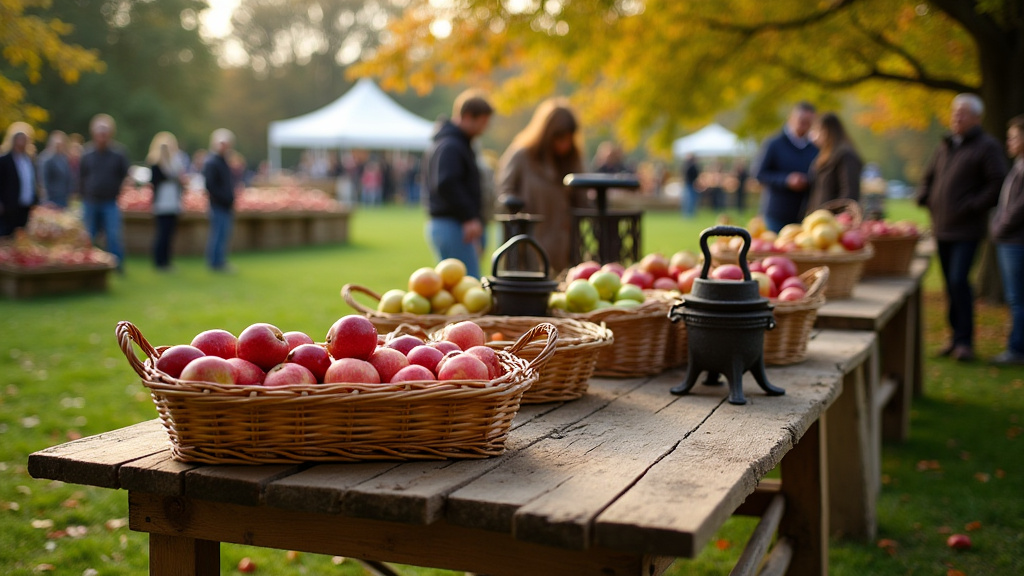
As autumn tightens its hold on the capital, Londoners are turning their attention to local, low-cost enrichment. For the weekend of October 16-18, 2026, the city offers a diverse array of accessible activities, ranging from traditional harvest celebrations in Greenwich to curated cultural immersions across the city’s premier institutions. With inflationary pressures lingering, our editorial team has vetted these six free experiences that promise community engagement, cultural stimulation, and seasonal charm without the price tag.
- Celebrate local heritage at the Woodlands Farm Apple Festival, a quintessential Greenwich autumn tradition.
- Explore world-class art and historical collections at London’s free-entry galleries, including late-evening programming.
- Engage with community-led film screenings and cultural talks, offering deep dives into local artistic discourse.
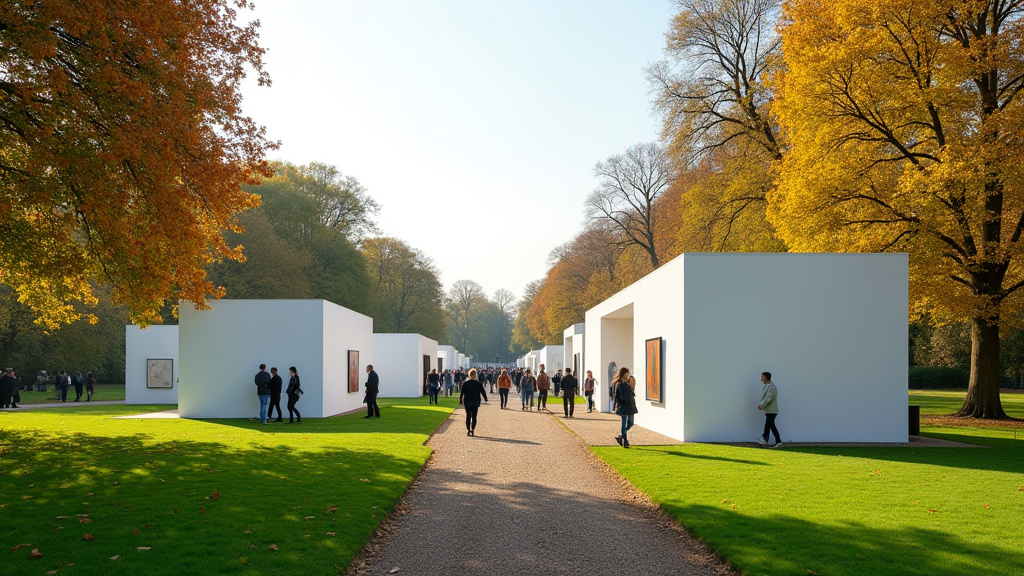
- Enjoy the peak of autumnal foliage through curated, self-guided walking tours of London’s historic parks and commons.
Urban Harvest and Cultural Resurgence: A Guide to Free London
The Woodlands Farm Apple Festival: A Greenwich Anchor
The absolute highlight of this weekend, October 16-18, 2026, is the annual Apple Festival held at The Woodlands Farm Trust in Greenwich. This event serves as more than just a seasonal marker; it is a vital pillar of the community’s relationship with urban agriculture. Woodlands Farm, a 89-acre site, acts as a rare green lung in the borough, and the Apple Festival showcases local produce, traditional pressing methods, and the historical importance of fruit cultivation in Kent and Greater London. Visitors can engage directly with the farmers, learn about sustainable land management, and participate in heritage apple tasting. This is a rare opportunity to witness the intersection of agricultural history and modern urban community resilience, providing a tangible connection to the seasonal rhythms often lost in the city’s digital-first environment.
Cultural Circuits: The Role of Free Galleries
While London’s commercial arts scene is robust, the backbone of its cultural appeal remains the free, state-funded institutions. This weekend, the Tate Modern and the National Gallery are running extended seasonal programming that costs nothing to access. Our research into this weekend’s schedule indicates that these institutions are leveraging the mid-October period to highlight ‘The Autumnal Shift’—a series of curated exhibits focusing on environmental change and the depiction of light in landscape painting. For visitors, this presents an opportunity to view world-class collections and special rotating displays without the barrier of entry fees, emphasizing the democratic potential of London’s cultural infrastructure.
Cinematic Escapes and Intellectual Discourse
Beyond the static visual arts, the weekend offers significant cinematic and intellectual engagement. Various community hubs and public libraries—supported by the British Film Institute’s (BFI) community outreach programs—are hosting free screenings that explore the history of British independent filmmaking. These are not merely ‘films in a room’ events; they are curated sessions accompanied by discussions on the role of independent cinema in local identity. Such experiences provide a critical look at how London is viewed through the lens of independent filmmakers, offering a more nuanced perspective than the commercial blockbusters usually found in central multiplexes.
The Economic Resilience of Free Cultural Tourism
An often overlooked aspect of ‘Free London’ is the significant economic ripple effect these events generate. While the activities listed here require no admission fee, they act as primary anchors that draw foot traffic into local cafes, independent shops, and transit hubs. The Woodlands Farm festival, for instance, significantly boosts weekend revenue for local Greenwich businesses. Our editorial analysis suggests that this ‘low-cost, high-value’ tourism model is becoming increasingly sustainable as Londoners prioritize meaningful, community-based interactions over high-spend leisure. The shift is not merely defensive; it represents a more intentional way of consuming the city.
Future Predictions: The Rise of the ‘Micro-Event’
Looking ahead, we predict that the demand for these hyper-local, free cultural events will continue to rise. As urban planning prioritizes ’15-minute city’ concepts, the success of weekends like October 16-18, 2026, proves that residents are eager for programming that is accessible, environmentally grounded, and intellectually stimulating. We anticipate that by 2027, the role of sites like Woodlands Farm in urban planning will expand, with local councils likely increasing funding for these community-driven cultural assets as a direct response to the community-led demand for authentic, zero-cost weekend engagement.
FAQ: People Also Ask
1. Q: Do I need to book tickets for the Woodlands Farm Apple Festival?
A: While admission to the festival grounds is free, the Woodlands Farm Trust recommends checking their official digital portal for any specific workshop sign-ups, as some interactive sessions may have limited capacity due to site regulations.
2. Q: Are London’s major museums open all weekend?
A: Yes. Major national museums and galleries, including the Tate Modern and the National Gallery, maintain standard weekend operating hours (typically 10:00 AM to 6:00 PM) for free permanent collections, though some temporary exhibitions may still require a pre-booked, zero-cost time slot.
3. Q: Is there a cost for transport to these locations?
A: While the events themselves are free, standard TFL (Transport for London) fares apply for travel. However, using off-peak travel cards or walking between local landmarks is highly encouraged to maximize the ‘zero-spend’ weekend experience.
4. Q: How do these events support the local economy if they are free?
A: These events function as ‘anchor points.’ By drawing crowds to specific locations like Greenwich or museum districts, they indirectly increase spending at nearby independent cafes, local eateries, and transit networks, forming a symbiotic relationship between free culture and local business survival.