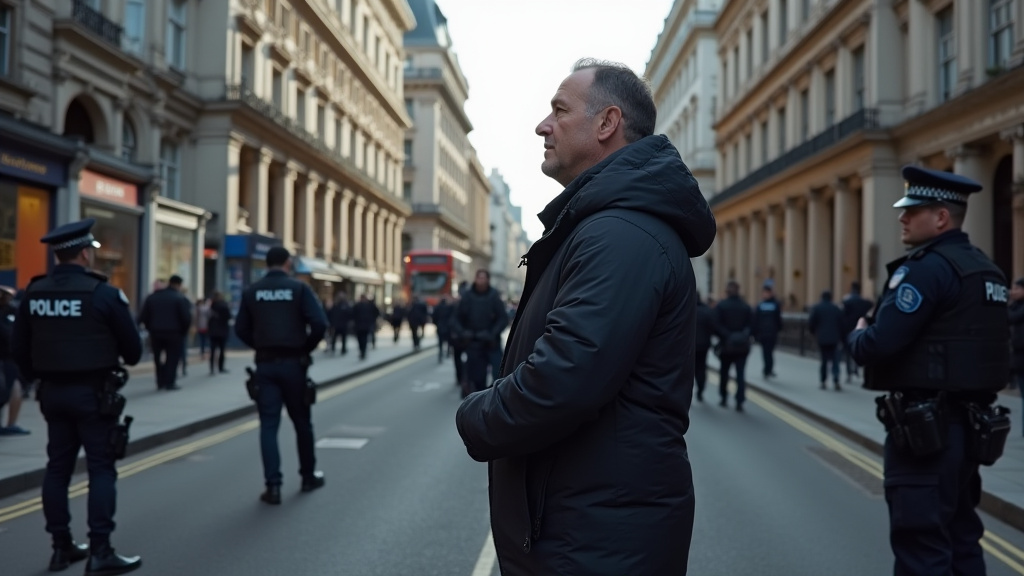
The United Kingdom is currently grappling with an unprecedented crisis of vehicle identity theft, as the number of cloned license plates on British roads reaches a record high. Recent data reveals that the proliferation of illegal plate copying has resulted in more than 11,400 motorists being erroneously issued fines and penalty charges for driving offenses they never committed. This surge in fraudulent activity, fueled by the widespread adoption of automated enforcement zones, has created a bureaucratic nightmare for thousands of innocent drivers and is intensifying pressure on the Driver and Vehicle Licensing Agency (DVLA) to overhaul its enforcement infrastructure.
Key Highlights
- Record-Breaking Figures: Over 11,400 motorists have been forced to contest fines related to vehicle cloning in the most recent reporting period.
- Systemic Vulnerability: The reliance on Automatic Number Plate Recognition (ANPR) systems has created a ‘blind spot’ where digital records take precedence over physical evidence.
- The ULEZ Connection: Expansion of Clean Air Zones and the London ULEZ has incentivized criminals to clone plates to avoid congestion and emission-based charges.
- Burden of Proof: Innocent victims are currently shouldering the administrative burden, required to provide exhaustive evidence to clear their names.
- Call for Reform: Motoring advocates and the RAC are pushing for stricter regulation of physical license plate manufacturing and improved cross-referencing capabilities for traffic authorities.
The Anatomy of the Cloning Crisis
The Mechanics of Vehicle Identity Theft
The rise in number plate cloning is not merely a nuisance; it is a sophisticated criminal operation. The process, known as ‘cloning,’ involves a criminal copying the registration mark of a legitimate vehicle—often one of the same make, model, and color—and physically reproducing it onto a set of fraudulent plates. These are then fitted to a vehicle involved in illegal activities. The objective is simple: ensure that if the vehicle is captured by traffic enforcement cameras, the resulting Penalty Charge Notice (PCN) or speeding ticket is sent to the innocent owner of the original vehicle, not the perpetrator.
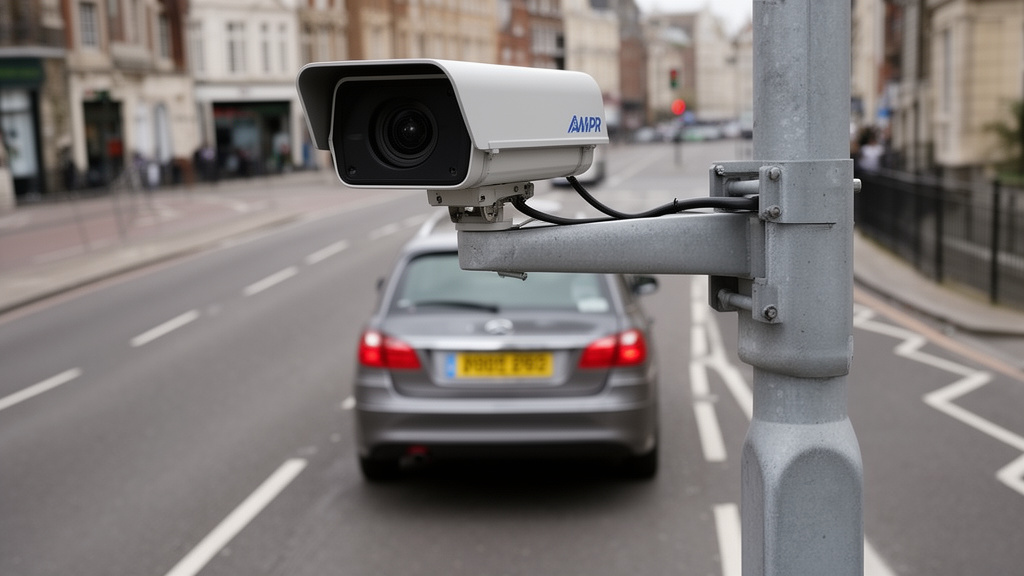
This phenomenon has accelerated in tandem with the proliferation of ANPR (Automatic Number Plate Recognition) technology. While ANPR was designed to enhance public safety by tracking uninsured drivers or stolen vehicles, it has inadvertently become the primary weapon for criminal cloners. Because these systems are automated, they lack the nuance of human judgment, often issuing fines based purely on a database match without accounting for subtle discrepancies in vehicle appearance.
The ANPR Vulnerability
The core of the problem lies in the digital-first nature of modern traffic enforcement. When an ANPR camera logs a plate, the system immediately queries the DVLA database. If the plate is valid, a fine is generated. There is rarely an initial manual review to check if the vehicle captured on CCTV matches the specific characteristics—such as a different alloy wheel style, a roof rack, or a minor scratch—associated with the registered owner’s vehicle. This ‘digital-only’ verification process is the primary weakness that criminals exploit to siphon fines away from themselves and onto unsuspecting motorists.
The Human Cost: The Appeal Nightmare
For the 11,400+ victims, the aftermath of a cloned plate is not just about a fine—it is about the loss of time, productivity, and peace of mind. Proving innocence is a frustratingly manual process. Victims often must submit date-stamped photographs of their own vehicle, provide proof of their location at the time of the alleged offense, and navigate through layers of automated customer service lines managed by local councils and transport authorities. In many cases, drivers face the threat of increasing fines or even debt collection notices while their appeals are processed. This Kafkaesque experience has led to significant calls for a ‘presumption of innocence’ reform, where the burden of proof is shifted back to the enforcement agencies to prove the identity of the vehicle before a fine is issued.
Secondary Angles and Implications
1. The ULEZ Effect and Economic Incentives
The introduction of Ultra Low Emission Zones (ULEZ) and similar Clean Air Zones across various UK cities has arguably been the greatest catalyst for this crime wave. By creating zones where daily charges are levied for non-compliant vehicles, authorities have essentially created a financial reward for criminals to obtain a compliant license plate. The economic incentive to ‘borrow’ a compliant identity to avoid a £12.50 daily fee is a direct driver of this spike. As enforcement zones expand, the market for cloned plates is expected to remain highly lucrative, necessitating a fundamental change in how vehicles are validated at the point of entry into these zones.
2. The Technological Arms Race
There is a brewing technological arms race between traffic enforcement agencies and criminals. While authorities are looking into AI-enhanced camera systems that can detect discrepancies in vehicle models or even ‘deepfake’ license plate recognition, criminals are increasingly using high-quality materials and fonts that mimic official DVLA-approved standards, making detection by traditional traffic cameras increasingly difficult. The future of enforcement may require vehicles to have a secondary, encrypted digital identity—perhaps via an RFID tag or a cryptographically signed digital handshake—that works alongside the physical plate, though such a transition remains years away from implementation.
3. The Psychological Impact on Motorists
Beyond the financial impact, there is a tangible psychological toll. Drivers who fall victim to cloning often report a pervasive sense of paranoia. Knowing that their vehicle’s identity is effectively compromised leads many to fear that their car could be used in far more serious crimes, such as burglaries or hit-and-run incidents. This uncertainty creates a lasting, negative relationship between the motorist and the road network, as every incoming envelope becomes a source of anxiety.
FAQ: People Also Ask
Q: How do I know if my license plate has been cloned?
A: You will typically be alerted when you receive a PCN, speeding ticket, or toll charge for an area you have never visited or a time when your car was parked securely at home. If you receive such a notice, do not pay it immediately; investigate the details.
Q: What steps should I take if I suspect my plate is cloned?
A: Immediately inform the police via the 101 non-emergency number to get a crime reference number. Notify the DVLA regarding the issue. Gather evidence, such as dashcam footage, parking receipts, or photos of your car that demonstrate it could not have been at the scene of the offense, and include your crime reference number in all appeals.
Q: Can I change my registration number to stop this?
A: Yes, in severe, persistent cases where you are receiving constant fines, the DVLA may allow you to change your vehicle’s registration number. However, this is a last resort and involves administrative processes, including obtaining new physical plates and updating insurance and logbook details.
Q: Is there any way to ‘proof’ my car against cloning?
A: While you cannot stop a criminal from copying your plate, you can make your car ‘less attractive’ to cloners. Some drivers use dashcams that log GPS data, which serves as undeniable proof of location. Keeping your car’s physical appearance unique—with distinct decals or non-standard additions—can also act as a deterrent, as criminals prefer ‘vanilla’ vehicles that blend into the crowd.